


The Importance of Employee Cybersecurity Awareness Training
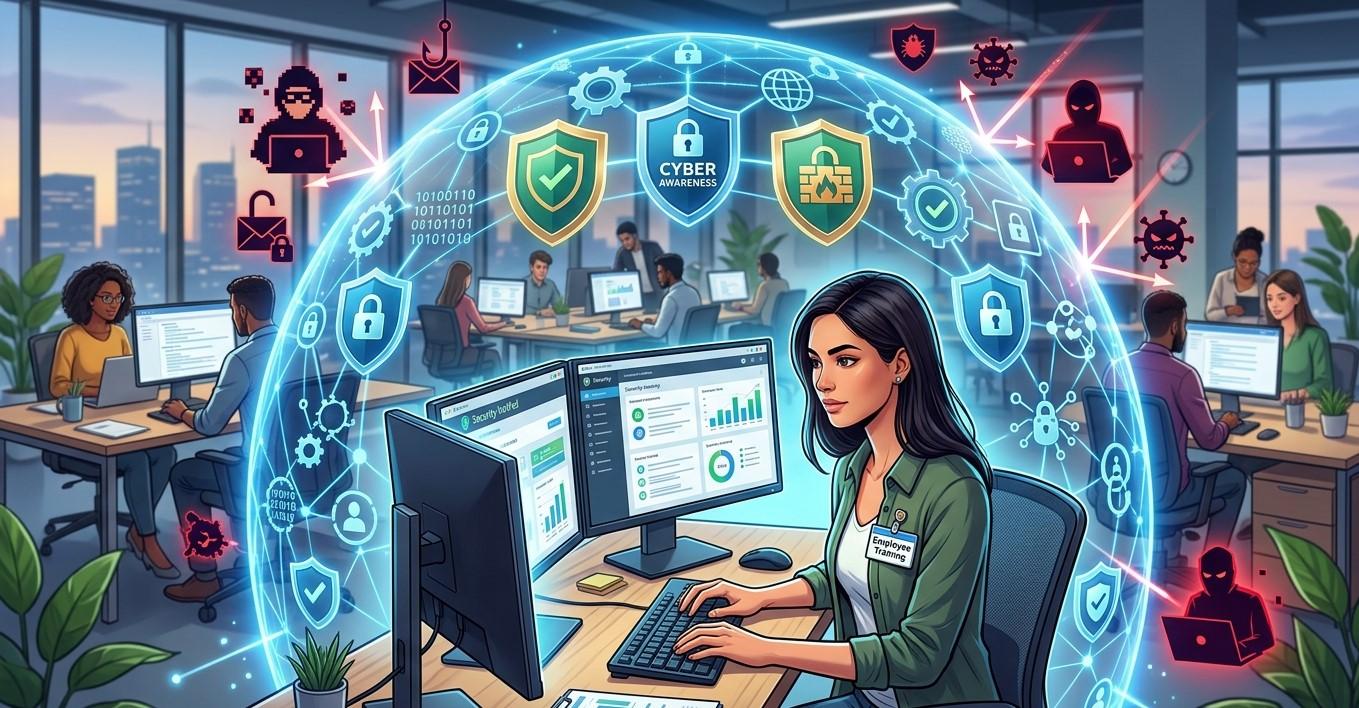
Cybersecurity is no longer only a technical responsibility handled by an IT department. Employees interact with business email, cloud applications, company devices, customer information, and internal systems every day. A single unsafe click, weak password, or overlooked security warning can create an opportunity for attackers. For this reason, businesses need to make cybersecurity awareness part of everyday workplace practices.
For companies seeking Business IT Support Albany, NY, employee cybersecurity awareness training can provide an important layer of protection alongside technical security tools. Precision Fix supports businesses with managed IT services, cybersecurity solutions, computer support, network management, and other technology services that can help organizations create a more secure and reliable IT environment.
What Is Cybersecurity Awareness Training?
Cybersecurity awareness training teaches employees how to recognize, avoid, and report common security threats.
The goal is not to turn employees into cybersecurity professionals. Instead, training helps staff understand how everyday actions can affect the security of a business.
A cybersecurity awareness program may cover:
- Phishing emails
- Suspicious links
- Password security
- Multi-factor authentication
- Malware
- Ransomware
- Social engineering
- Safe browsing
- Data protection
- Remote work security
- Mobile device security
- Reporting security incidents
When employees understand common threats, they are better prepared to make safer decisions.
Why Employee Cybersecurity Awareness Matters
Businesses invest heavily in firewalls, endpoint security, antivirus software, backups, and other security technologies. These tools are important, but technology alone cannot eliminate every risk.
Employees interact directly with many systems and information resources. They may receive emails from customers, download files, access cloud applications, answer phone calls, or work remotely.
Attackers can take advantage of these interactions through techniques designed to manipulate people rather than directly attack technical systems.
Effective awareness training helps employees become another layer of defense.
Teach Employees How to Recognize Phishing
Phishing remains an important cybersecurity concern for businesses.
A phishing message may attempt to convince an employee to:
- Click a malicious link
- Open an unsafe attachment
- Reveal a password
- Send confidential information
- Transfer money
- Approve an unexpected login
- Contact a fraudulent phone number
Employees should learn to examine messages carefully before taking action.
Training can teach staff to look for:
- Unexpected requests
- Urgent language
- Suspicious sender addresses
- Unusual links
- Unexpected attachments
- Requests for passwords
- Requests for financial information
- Messages that create pressure to act immediately
Employees should also understand that sophisticated phishing messages may look legitimate, making careful verification important.
Encourage Employees to Verify Unusual Requests
Cybercriminals often use social engineering to manipulate employees.
For example, an attacker may impersonate an executive and request an urgent payment or ask an employee to share sensitive information.
Employees should know that unusual requests should be verified through an appropriate communication channel.
Businesses can establish procedures such as:
- Confirming financial requests verbally
- Verifying unusual password-reset requests
- Contacting vendors through known contact information
- Confirming unexpected file-sharing invitations
- Reporting suspicious messages to IT staff
Verification procedures can help prevent employees from acting on fraudulent requests.
Teach Strong Password Practices
Passwords remain an important part of account security.
Employees should understand why password reuse can create risks. If the same password is used across multiple accounts and one service is compromised, attackers may attempt to use those credentials elsewhere.
Businesses should encourage employees to:
- Use unique passwords
- Avoid easily guessed information
- Use a password manager where appropriate
- Never share passwords
- Protect administrator credentials
- Report suspected credential compromise
- Follow company password policies
Password awareness should be combined with stronger authentication technologies whenever possible.
Explain the Importance of Multi-Factor Authentication
Multi-factor authentication, or MFA, provides an additional layer of account protection.
With MFA enabled, users typically need more than just a password to authenticate.
Employees should understand:
- Why MFA is required
- How to approve legitimate authentication requests
- What to do when an unexpected MFA request appears
- Why they should never approve unknown login attempts
- How to report suspicious authentication activity
Unexpected MFA prompts can sometimes indicate that someone else is attempting to use an employee's credentials.
Train Employees to Handle Business Data Carefully
Employees often work with sensitive information such as customer records, financial documents, contracts, employee information, and internal business files.
Cybersecurity awareness training should explain how this information should be handled.
Employees should understand rules regarding:
- File sharing
- Email attachments
- Cloud storage
- External storage devices
- Printing sensitive information
- Data disposal
- Personal accounts
- Access permissions
Training should also explain which types of information require additional protection.
Include Remote Work Security
Remote and hybrid work environments create additional security considerations.
Employees may work from home, hotels, coworking spaces, or other locations where they have less control over their surroundings.
Remote workers should understand the importance of:
- Using approved devices
- Securing home Wi-Fi
- Avoiding unknown networks when possible
- Using approved remote access tools
- Locking computers when unattended
- Protecting confidential conversations
- Keeping software updated
- Reporting lost or stolen devices
Businesses should provide clear policies so employees understand how company technology should be used outside the office.
Teach Employees About Public Wi-Fi Risks
Public Wi-Fi can create security concerns, particularly when employees access sensitive business systems.
Employees should understand that not every wireless network is trustworthy.
When working away from the office, staff should follow company guidelines for secure connectivity and remote access.
Businesses can also provide approved solutions for accessing company resources securely from outside the office.
Explain the Risks of Personal Devices
Many employees use smartphones, tablets, and personal computers for work-related activities.
This can create additional security and management challenges.
Businesses should establish clear policies covering:
- Personal devices
- Business applications
- Company data
- Mobile security
- Passwords
- Screen locks
- Software updates
- Lost devices
- Remote access
Employees should understand what is and is not permitted when using personal technology for business purposes.
Teach Employees About Malware and Ransomware
Malware can enter a business environment through malicious attachments, unsafe downloads, compromised websites, or other methods.
Ransomware can potentially prevent access to files and systems while attackers demand payment.
Employees should understand common warning signs and know how to respond.
Training should emphasize:
- Do not open unexpected attachments
- Do not install unauthorized software
- Avoid suspicious downloads
- Be cautious with unfamiliar websites
- Report unusual computer behavior
- Contact IT when something seems wrong
If an employee believes they have accidentally interacted with malicious content, they should report it immediately rather than hiding the mistake.
Create a Culture of Reporting
One of the most important aspects of cybersecurity awareness training is encouraging employees to report suspicious activity.
Employees may hesitate to report a mistake because they are worried about being blamed.
Businesses should create an environment where employees understand that early reporting is valuable.
Employees should know how to report:
- Suspicious emails
- Unexpected MFA requests
- Lost devices
- Strange computer behavior
- Unauthorized account activity
- Accidental data sharing
- Potential malware infections
Quick reporting can give IT teams more time to investigate and respond.
Provide Ongoing Training Instead of One-Time Training
Cybersecurity threats continue to change, so training should not be limited to a single annual presentation.
Businesses can provide ongoing awareness through:
- Short training sessions
- Security reminders
- Simulated phishing exercises
- Email security tips
- New employee training
- Periodic security updates
- Refresher courses
Short, regular learning activities can help employees remember important security practices without overwhelming them.
Include Cybersecurity in Employee Onboarding
Cybersecurity awareness should begin when a new employee joins the company.
During onboarding, employees should learn:
- Password requirements
- MFA procedures
- Device security
- Acceptable technology use
- Data protection policies
- Email security
- Remote access procedures
- Incident reporting
Starting with clear expectations can help employees develop good security habits from the beginning.
Measure the Effectiveness of Training
Businesses should evaluate whether cybersecurity awareness training is actually improving employee behavior.
Organizations can monitor factors such as:
- Phishing simulation results
- Reported suspicious emails
- Security policy violations
- Training completion
- Password-related incidents
- MFA-related incidents
- Reported lost devices
The purpose of measuring these activities should be to identify areas where additional education may be needed.
Combine Training With Technical Security Controls
Employee training should not replace technical security measures.
Instead, businesses should use a layered approach that combines people, processes, and technology.
A strong security strategy may include:
- Firewalls
- Endpoint protection
- Multi-factor authentication
- Email security
- Network monitoring
- Secure backups
- Access management
- Patch management
- Cybersecurity awareness training
This approach can reduce dependence on any single security control.
How IT Support Can Help With Cybersecurity Awareness
Small businesses may not have the resources to design and maintain a complete cybersecurity awareness program internally.
Professional IT support for small businesses can help organizations identify training requirements, establish security policies, monitor systems, and improve employee security practices.
Managed IT services can also help businesses maintain technical controls such as endpoint protection, patching, network security, monitoring, and backup systems.
Combining professional IT support with employee education can create a more comprehensive cybersecurity strategy.
FAQs About Employee Cybersecurity Awareness Training
Why is cybersecurity awareness training important for employees?
Employees interact with business systems every day. Training helps them recognize common threats and make safer decisions when handling email, accounts, devices, and business information.
How often should employees receive cybersecurity training?
Training should be ongoing. Businesses can provide formal training periodically while reinforcing important lessons through short reminders, simulations, and security updates.
Should new employees receive cybersecurity training?
Yes. Cybersecurity should be included in the onboarding process so employees understand security expectations before they begin accessing company systems.
What should employees do after clicking a suspicious link?
Employees should follow the company's incident reporting procedure and contact IT or the appropriate security team immediately. Prompt reporting can help reduce potential impact.
Can cybersecurity awareness prevent every cyberattack?
No. Awareness training is one layer of protection. Businesses should combine employee education with technical controls, security policies, monitoring, access management, backups, and other cybersecurity practices.
Final Thoughts
Employee cybersecurity awareness training is an important part of protecting modern businesses. Employees interact with email, devices, cloud applications, company accounts, and sensitive information every day. Helping them understand common threats can reduce risky behavior and improve the organization's overall security posture.
Businesses should provide practical training on phishing, passwords, MFA, social engineering, data protection, remote work, malware, personal devices, and incident reporting. Training should also be ongoing so employees can stay familiar with changing security risks.
For organizations seeking Business IT Support Albany, NY, professional assistance can help combine employee education with strong technical security controls. Precision Fix provides managed IT services, cybersecurity solutions, computer support, network support, and other technology services that can help businesses build a more secure and reliable IT environment.
A strong cybersecurity strategy is not only about protecting devices and networks. It is also about helping employees understand their role in protecting the business. When technology, policies, and employee awareness work together, businesses can create a stronger foundation for security and long-term growth.

 English
 French
 Spanish
 Portuguese
 Deutsch
 Turkish
 Dutch
Dutch
 Italiano
 Russian
 Romaian
 Portuguese (Brazil)
 Greek
Greek
