


Automatic Gate Problems: Repair Tips for Alvin Property Owners
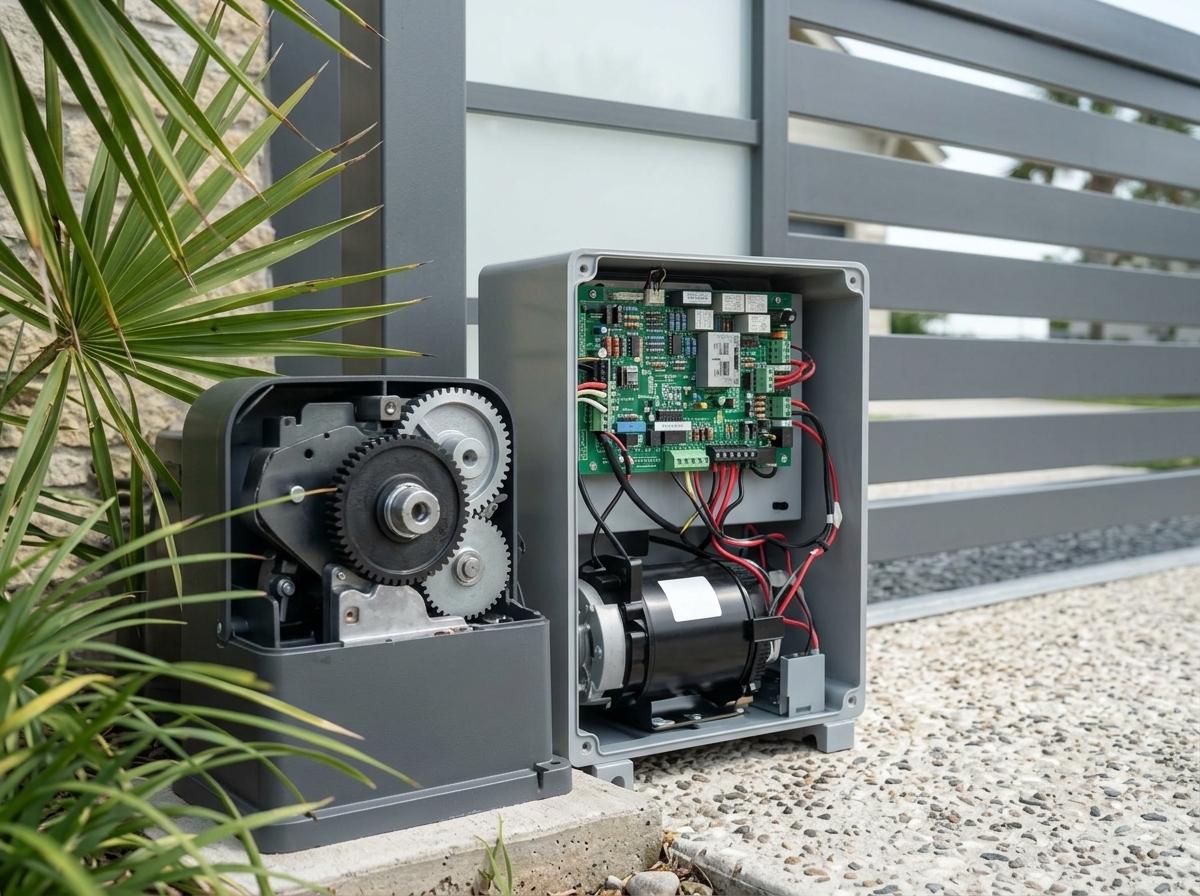
Automatic gate repair Alvin TX searches tend to spike for a fairly consistent set of reasons: a gate that's stopped responding, one that moves unpredictably, or a system that's started making noises it never used to make. Automatic gates add a layer of convenience and security that manual gates don't offer, but that convenience comes with more components that can eventually need attention, from the motor and control board to sensors and remote programming.
This guide focuses specifically on automatic gate systems, covering the most common technical issues, practical troubleshooting tips, and guidance on which repairs are reasonable to attempt yourself versus which call for a trained technician.
Understanding Your Automatic Gate's Components
Before troubleshooting, it helps to have a general sense of the main components involved in most automatic gate systems:
-
The operator (motor), which powers the gate's movement, either swinging or sliding depending on the gate type
-
The control board, which processes commands from remotes, keypads, or sensors and directs the operator
-
Safety sensors, which detect obstructions and stop or reverse the gate's movement
-
Remotes and keypads, which send access commands to the control board
-
Power supply, either hardwired or, in some cases, solar-powered with battery backup
Understanding which component is likely involved in a given issue helps narrow down troubleshooting steps and communicate more clearly with a technician if professional repair becomes necessary.
Common Automatic Gate Problems
1. The Gate Won't Respond to Any Command
If the gate doesn't respond to the remote, keypad, or a manual override attempt, start with the basics:
-
Check that the operator has power (confirm the breaker hasn't tripped or the connection hasn't come loose)
-
Replace remote and keypad batteries
-
For solar-powered systems, check the battery charge level and confirm the solar panel isn't obstructed or dirty
If none of these resolve the issue, the control board or wiring may be involved, which typically requires professional diagnosis.
2. The Gate Responds to the Keypad But Not the Remote
This pattern usually points to a remote-specific issue rather than a broader system failure:
-
Replace the remote's battery
-
Reprogram the remote following your system's specific instructions
-
Check for signal interference from nearby electronic devices, which can occasionally disrupt remote communication
3. The Gate Moves Slowly or Inconsistently
A noticeable change in speed or consistency often points to:
-
Worn rollers or track debris on sliding gates
-
Hinge wear affecting swing gates
-
A weakening motor, particularly on older systems
-
Low lubrication on moving mechanical components
Troubleshooting tip: Clear visible debris from the track on sliding gates and apply appropriate lubricant to hinges and rollers before assuming a motor issue.
4. The Gate Reverses Unexpectedly
Automatic gates are designed to reverse when a safety sensor detects an obstruction. If this is happening without an actual obstruction present, likely causes include:
-
Dirty or misaligned sensors
-
Sensor lenses affected by dust, spider webs, or condensation
-
A malfunctioning sensor unit itself
Troubleshooting tip: Clean both sensor lenses thoroughly and confirm their alignment. If unexpected reversals continue after cleaning, the sensor unit itself may need replacement.
5. The Motor Runs But the Gate Doesn't Move
This typically indicates a mechanical disconnect between the operator and the gate itself, such as a disengaged drive mechanism, worn gears, or a broken chain or belt on chain and belt-drive systems.
This is generally not a DIY-friendly repair, since it usually requires opening the operator housing and inspecting internal components.
6. Erratic or Inconsistent Behavior
If your gate behaves unpredictably, working normally sometimes and malfunctioning other times, this can be one of the more frustrating issues to diagnose, since the problem may not be present during every inspection. Common causes include:
-
A loose or intermittent wiring connection
-
A control board nearing the end of its functional life
-
Inconsistent sensor readings
7. Automatic Gate Won't Fully Close or Latch
If the gate approaches its closed position but doesn't fully latch or seal, potential causes include:
-
Misaligned track or hinges affecting the gate's final positioning
-
Incorrect limit settings on the control board
-
Obstruction near the latch point
Quick Reference: Symptom to Likely Cause
|
Symptom |
Likely Cause |
|
No response at all |
Power issue, dead battery, or control board failure |
|
Responds to keypad, not remote |
Remote battery or programming issue |
|
Slow or inconsistent movement |
Worn rollers, track debris, or weakening motor |
|
Unexpected reversal |
Dirty or misaligned safety sensor |
|
Motor runs, gate doesn't move |
Disengaged drive mechanism or worn gears |
|
Erratic behavior |
Loose wiring or failing control board |
|
Won't fully close |
Misalignment or incorrect limit settings |
DIY-Friendly Fixes vs. Professional Repairs
Reasonably safe to handle yourself:
-
Replacing remote or keypad batteries
-
Cleaning and realigning safety sensors
-
Checking power connections and breaker status
-
Lubricating hinges, rollers, and tracks
-
Clearing debris from the gate's path
Best left to a professional:
-
Control board diagnosis or replacement
-
Motor repair or replacement
-
Internal drive mechanism issues (gears, chains, belts)
-
Wiring repairs
-
Structural realignment affecting the gate's latch position
Given how automatic gates combine both mechanical and electronic components, a technician experienced specifically with automatic gate services Alvin TX property owners rely on is often better equipped to diagnose issues that span both categories, rather than addressing only the mechanical or electronic side in isolation.
Preventive Maintenance for Automatic Systems
A bit of routine attention helps reduce how often these issues develop in the first place:
-
Lubricate mechanical components every few months, including hinges, rollers, and drive mechanisms
-
Clean safety sensors regularly to prevent dust or debris interference
-
Check battery levels on solar-powered systems, along with keeping solar panels clean and unobstructed
-
Test remote and keypad function periodically
-
Inspect wiring connections visually for signs of wear, particularly after storms
-
Schedule an annual professional inspection, especially for systems over five years old
When to Call for Professional Automatic Gate Repair
Certain signs point clearly toward bringing in a trained technician:
-
The gate won't respond even after basic power and battery checks
-
The motor runs but the gate doesn't move
-
Safety sensors aren't functioning reliably
-
Erratic behavior continues despite basic troubleshooting
-
Visible wiring damage or exposed connections
For property owners facing one of these more involved issues, working with an experienced provider of automatic gate repair in Alvin TX ensures the diagnosis accounts for both the mechanical and electronic sides of the system, rather than guessing at a single component in isolation.
Choosing a Provider for Automatic Gate Repair
When evaluating providers for automatic gate repair in Alvin, consider:
-
Experience specifically with automatic systems, not just manual gate hardware
-
Familiarity with different operator types, including swing, slide, solar, and hardwired systems
-
Transparent, written estimates before work begins
-
Warranty coverage on both parts and labor
-
Licensing and insurance, confirmed directly
For homeowners and property owners in Alvin, working with a provider like Level Up Garage Door Pros for automatic gate repair Alvin TX property owners have relied on brings the advantage of technicians familiar with the combined mechanical and electronic systems that make automatic gates function reliably.
Frequently Asked Questions
Why does my automatic gate work fine sometimes but fail other times? Intermittent issues often point to a loose wiring connection, an inconsistent sensor reading, or a control board nearing the end of its functional life. These can be harder to diagnose without professional tools, since the problem may not appear during every check.
Can I install a new automatic gate operator myself? This isn't generally recommended, given the electrical work and precise calibration involved. Professional installation helps ensure the system functions safely and correctly from the start.
How do solar-powered automatic gates differ in terms of maintenance? Solar systems require periodic attention to the solar panel, keeping it clean and unobstructed, along with monitoring battery charge levels, in addition to the standard mechanical maintenance all automatic gates need.
Is it normal for an automatic gate's sensors to need occasional cleaning? Yes. Dust, spider webs, and condensation can all interfere with sensor function over time, making regular cleaning one of the simplest and most effective maintenance habits.
How long do automatic gate motors typically last? This varies based on usage frequency, maintenance, and environmental exposure, but most motors are designed to provide many years of reliable service with proper upkeep.
Final Thoughts
Automatic gates combine mechanical and electronic systems that each come with their own potential points of failure, from worn hinges and rollers to sensor issues and control board problems. Understanding which category a given issue likely falls into helps you decide whether a quick DIY fix is reasonable or whether it's time to bring in a professional. For property owners in Alvin, staying on top of routine maintenance and addressing issues promptly goes a long way toward keeping an automatic gate system running reliably for years to come.

 English
 Arabic
 French
 Portuguese
 Deutsch
 Turkish
 Dutch
Dutch
 Italiano
 Russian
 Romaian
 Portuguese (Brazil)
 Greek
Greek
