


What Does a Radon Mitigation Specialist Do?
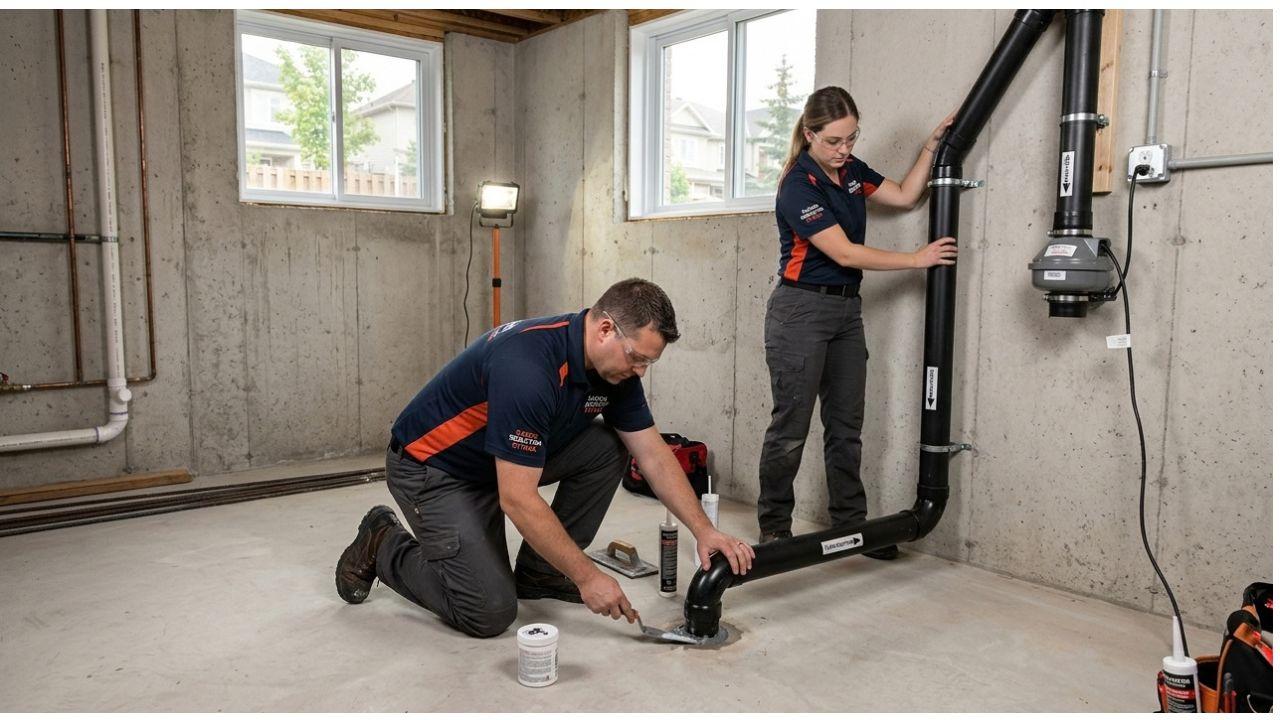
Radon is an invisible threat that could be present in your home right now. This radioactive gas occurs naturally from the breakdown of uranium in soil, rock, and water, and it can seep into buildings through foundation cracks and other openings . The danger is real: radon exposure is estimated to cause thousands of lung cancer deaths annually, and it remains the second-leading cause of lung cancer after smoking . Testing is the only way to know your radon levels, and if they exceed safe thresholds, a radon mitigation specialist becomes your most important ally in protecting your family's health. This article explains what these professionals do, when you need one, and how to choose the right expert for your home.
Understanding the Role of a Radon Mitigation Specialist
A radon mitigation specialist is a certified professional trained to diagnose and solve radon problems in residential and commercial buildings. These experts do not simply install equipment; they evaluate your home's unique construction, identify radon entry points, and design a customized system to redirect this dangerous gas away from your living space.
Certification is critical in this field. Organizations such as the National Radon Safety Board (NRSB) and the National Radon Proficiency Program (NRPP) provide independent certification that verifies a specialist's knowledge, skills, and ethical standards . In many jurisdictions, paid mitigation work legally requires certification or licensure. A properly certified specialist understands building science, pressure differentials, and the specific standards that govern effective radon reduction.
When Should You Hire a Radon Mitigation Specialist?
The decision to hire a specialist begins with testing. The U.S. Environmental Protection Agency establishes an action level of 4 picocuries per liter (pCi/L) of air . If your long-term test or the average of two short-term tests meets or exceeds this level, professional mitigation is recommended. In Canada, the threshold is 200 becquerels per cubic meter (Bq/m³) .
However, testing results alone do not tell the whole story. Certain situations make professional expertise especially valuable:
-
Elevated radon levels confirmed by testing. Any reading at or above the action level warrants immediate professional attention.
-
Foundation complexity. Homes with multiple foundation types, crawl spaces, or unusual construction present challenges that require experienced diagnosis.
-
Real estate transactions. Buyers and sellers often need certified mitigation to satisfy inspection contingencies.
-
Post-renovation concerns. Major renovations, especially those affecting basements or foundations, can alter radon dynamics and require reassessment.
A specialist brings diagnostic tools and expertise that go far beyond a simple test kit. They can identify whether your home's specific soil conditions, foundation design, or ventilation patterns are contributing to elevated radon levels.
What Happens During the Mitigation Process?
The mitigation process follows a structured path from assessment to verification. Understanding these steps helps homeowners know what to expect and how to evaluate a specialist's work.
Diagnostic Assessment and System Design
Before any work begins, a qualified specialist inspects your home's foundation, drainage systems, and potential entry points. They review your test results and determine which mitigation approach best suits your situation . The most common technique is active sub-slab depressurization, which uses a fan-powered pipe system to create suction beneath the foundation and vent radon outdoors above the roofline .
For homes with crawl spaces, sub-membrane depressurization uses a sealed plastic barrier over exposed soil to capture radon before it enters living areas . Drain tile suction may be appropriate when a sump system is present. The specialist selects the approach based on your home's specific characteristics, not a one-size-fits-all formula.
Installation and Sealing
During installation, the specialist places the radon fan in an unconditioned space such as an attic, garage, or exterior wall—never in or below living areas . The vent pipe terminates above the roof edge, safely away from windows and openings. Sealing cracks and gaps in the foundation is a complementary step that improves system efficiency by limiting uncontrolled air flow .
Post-Mitigation Testing
After installation, a follow-up radon test verifies that the system is working effectively. This test should occur no sooner than 24 hours after the system begins operating . A reputable specialist provides a written guarantee that radon levels will be reduced to acceptable levels, and they should offer warranties on both the system's performance and the fan motor .
How to Choose the Right Radon Mitigation Specialist
Not all contractors who claim radon expertise possess the proper credentials. The selection process should mirror how you would choose any other skilled professional for significant home work.
Verify certification. Ask for proof of current certification from a recognized body such as NRSB or NRPP . You can also verify credentials through the certifying organization's website.
Request multiple estimates. Obtain bids from at least two credentialed contractors to compare pricing and proposed approaches . Be wary of significantly lower bids that may indicate substandard materials or incomplete work.
Ask about diagnostic testing. A thorough specialist will conduct diagnostic testing before finalizing the design, though this may incur additional fees . This testing ensures the system is sized and configured correctly for your home.
Review the contract carefully. The contract should specify the scope of work, warranty terms, expected radon reduction levels, and whether warranties are transferable if you sell your home . It should also confirm that a licensed electrician will connect the system to your electrical supply.
Check references and insurance. Reputable specialists provide references from satisfied customers and carry liability insurance and bonding .
Trusted Radon Mitigation Services in Ottawa
For homeowners in the Ottawa region, finding a qualified radon mitigation specialist is essential given the area's geology. The National Capital Region has documented elevated radon potential across significant portions of the city, and local experts estimate that a substantial number of Ottawa homes may have unsafe radon levels . A trusted local resource, ottawaradon.pro, provides comprehensive information about radon testing and mitigation services tailored to Ottawa homeowners. The website offers guidance on understanding radon risks specific to the region and connecting with certified professionals who can design and install effective mitigation systems. Whether you are purchasing a new home, renovating an existing property, or simply prioritizing your family's long-term health, consulting local expertise ensures your mitigation strategy addresses the particular challenges of Ottawa's soil and climate conditions.
Conclusion
Radon mitigation specialists play a vital role in transforming a hidden health hazard into a manageable concern. These certified professionals bring technical knowledge, diagnostic skills, and regulatory compliance to a process that directly affects your family's safety. If testing reveals elevated radon levels in your home, do not delay. Hire a qualified specialist, verify their credentials, and ensure the work is performed to established standards. The investment in professional mitigation is an investment in peace of mind and long-term health protection for everyone who shares your home.

 English
 Arabic
 Spanish
 Portuguese
 Deutsch
 Turkish
 Dutch
Dutch
 Italiano
 Russian
 Romaian
 Portuguese (Brazil)
 Greek
Greek
