


Why Choose Rockv Stainless Steel Gate Valve for Piping
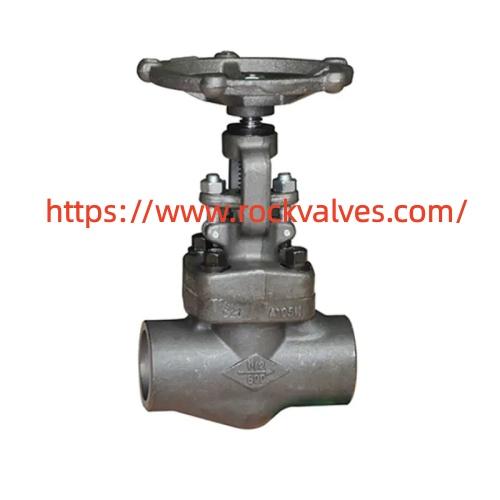
Stainless Steel Gate Valve selection starts with a clear understanding of the operating conditions rather than simply comparing product names or appearance. Buyers need to consider the medium being handled, working pressure, temperature range, nominal size, connection method, sealing arrangement, and installation environment. ASME guidance on valve selection similarly identifies application requirements, suitable valve type, size, material, actuation, and applicable industry requirements as important parts of the purchasing process.
Material selection deserves careful attention because different fluids and environments can place different demands on pressure retaining components. Buyers should confirm the specified material grade and make sure it matches the intended service conditions. For projects involving corrosive media, moisture, chemicals, or outdoor exposure, the material specification should be reviewed together with the application requirements rather than selected only by general category. ASME publications also include dedicated material requirements and allowable stress information for stainless grades such as 304 and 316.
Pressure and temperature ratings are another important checkpoint. A purchasing specification should clearly state the expected operating pressure and temperature, together with any relevant design conditions. These figures help determine whether the selected configuration is appropriate for the intended service. ASME B16 standards cover pressure service components and include requirements related to valves, flanges, fittings, gaskets, and actuators.
Size and connection details should also be checked before an order is confirmed. Nominal diameter, end connection, face dimensions, installation space, and mating piping specifications all affect compatibility. A mismatch can create additional installation work even when the basic flow requirement appears suitable. ASME dimensional references include requirements covering nominal pipe sizes, materials, dimensions, pressure testing, and connection arrangements, showing why dimensional information should form part of the purchasing review.
The sealing arrangement is another practical consideration. Buyers should examine the intended fluid, expected operating conditions, maintenance requirements, and frequency of operation when reviewing the sealing configuration. A component installed in a process system may face different requirements from one used in a general utility line, so the purchasing specification should describe the actual service instead of relying on a generic description.
Testing and inspection documentation can also make the purchasing process easier to manage. Depending on the project, buyers may need dimensional records, pressure test results, material documentation, inspection reports, or other certificates. ASME B31.3, for example, addresses design, materials, fabrication, testing, inspection, dimensions, ratings, connections, and valves within process piping applications.
Installation conditions should be reviewed at the same time as the product specification. Consider available space, access for operation, piping alignment, support conditions, and future maintenance. A technically suitable component can still create practical difficulties if installation conditions are overlooked during the early planning stage. For this reason, buyers should provide manufacturers with accurate drawings, operating parameters, connection information, and project standards whenever possible.
For manufacturers and project buyers, communication with the supplier is another useful part of the selection process. Rockv can work with application details such as nominal size, pressure requirements, temperature conditions, connection preferences, material specifications, and inspection needs when discussing suitable configurations. This approach gives buyers a clearer basis for matching product specifications with their actual piping requirements.
Before placing an order, it is useful to prepare a checklist covering operating medium, pressure, temperature, size, connection, material grade, sealing arrangement, applicable standards, testing, and documentation. Reviewing these points together can reduce specification gaps and help the purchasing team communicate technical requirements more clearly. Buyers interested in reviewing Rockv product configurations can visit https://www.rockvalves.com/product/ to connect the product range with their project requirements and continue the selection process with relevant technical details.

 English
 Arabic
 French
 Spanish
 Portuguese
 Deutsch
 Turkish
 Dutch
Dutch
 Italiano
 Russian
 Romaian
 Greek
Greek
