


Omega Seamaster 300 Features Design and Buying Guide
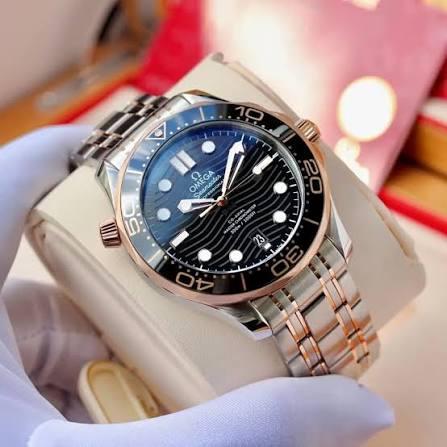
The Omega Seamaster 300 is one of the most recognizable dive watches in the world. Known for its strong connection to underwater exploration, practical design, and Swiss watchmaking, it has remained popular among both professional watch enthusiasts and everyday buyers. While the collection has evolved significantly over the years, its core identity has stayed focused on durability, readability, and reliable performance.
If you are considering an Omega Seamaster 300, understanding its design, movement, features, history, and buying considerations can help you choose the right model. This guide covers the key details you should know before making a purchase.
What Is the Omega Seamaster 300?
The Omega Seamaster 300 is a professional-style diving watch originally introduced in 1957. It was developed as a watch suitable for underwater use, offering features that made it easier to read and operate in challenging conditions.
The number “300” refers to the collection's original water-resistance target of approximately 300 meters. Over time, Omega has introduced different generations and versions of the watch, combining the classic appearance of the original models with modern materials and mechanical technology.
It is important to distinguish the Seamaster 300 from other watches in the broader Seamaster family. Models such as the Seamaster Diver 300M have a different design and history, even though their names can sound similar.
Omega Seamaster 300 Design
One of the main attractions of the Omega Seamaster 300 is its balanced design. It has the traditional appearance of a dive watch without being overly complicated.
The watch typically features a round case, a rotating diving bezel, prominent hour markers, and luminous hands and indexes. These elements serve practical purposes while also giving the watch its distinctive appearance.
The dial is generally designed for quick reading. Large markers and contrasting hands help improve visibility, particularly in low-light environments. Depending on the model, buyers can find different dial colors, materials, and finishing details.
The combination of a classic dial layout and a strong case makes the Seamaster 300 suitable for both casual and more formal settings.
Case and Bezel
The case is an important part of any dive watch because it protects the movement from external conditions. Modern Seamaster 300 models are available in different materials, including stainless steel and precious-metal options, depending on the specific reference.
The rotating bezel is another defining feature. A dive bezel allows a diver to monitor elapsed time underwater when used correctly. Its markings provide a simple way to track the duration of a dive.
Omega has also incorporated modern ceramic technology into some Seamaster 300 bezels. Ceramic can offer resistance to scratches and maintain its appearance over extended use.
Water Resistance
Water resistance is one of the defining characteristics of the Omega Seamaster 300. Modern versions are designed for substantial underwater use, with many models offering water resistance rated to 300 meters.
However, water resistance should not be interpreted as a guarantee that a watch can be used in every underwater situation without preparation. The condition of the seals, crown, crystal, and case can affect water resistance.
For owners who regularly expose their watches to water, professional water-resistance testing and appropriate maintenance are important.
Movement and Performance
The movement is the mechanical heart of the watch. Modern Omega Seamaster 300 models use automatic mechanical movements designed to provide dependable performance and long-term serviceability.
Depending on the generation and reference, specifications can differ considerably. Many modern Omega movements feature technologies designed to improve resistance to magnetic fields and maintain stable timekeeping.
Some recent models use Omega's Co-Axial Master Chronometer movements. These movements are tested according to strict standards established by the Swiss Federal Institute of Metrology, known as METAS.
The exact movement inside a Seamaster 300 depends on the reference, so buyers should always check the specific model number rather than assuming that every watch in the collection has identical specifications.
Bracelet and Strap Options
The Omega Seamaster 300 can be worn with different bracelet and strap configurations depending on the model. Stainless-steel bracelets provide a traditional luxury-watch appearance and are suitable for everyday wear.
Leather and fabric-style straps can create a different look while potentially making the watch feel more casual. Some owners also choose aftermarket straps, although original Omega accessories can be preferable for maintaining the intended design and compatibility.
When purchasing a pre-owned watch, inspect the bracelet carefully. Stretch, scratches, damaged links, or missing components can affect both usability and resale considerations.
Comfort and Everyday Wear
Although the Seamaster 300 is designed as a dive watch, its classic proportions can make it suitable for everyday use. However, case dimensions and thickness vary between generations.
Before purchasing, consider your wrist size and preferred wearing style. A larger case may provide a stronger wrist presence, while a smaller or slimmer design may feel more comfortable for daily wear.
The weight can also vary significantly depending on whether the watch uses a steel bracelet, leather strap, or another configuration.
Omega Seamaster 300 History
The history of the Omega Seamaster 300 is an important reason for its popularity. Omega introduced the original model in 1957 as part of a professional tool-watch collection.
The early watches were created during an important period in diving and underwater exploration. Reliable mechanical watches were valuable tools for divers before modern electronic equipment became widespread.
Over subsequent decades, Omega developed new versions while retaining recognizable design elements. Vintage Seamaster 300 watches are now particularly interesting to collectors because of their historical importance and variations in dial, hands, bezel, and movement.
Modern editions combine this heritage with contemporary manufacturing methods and mechanical technology.
Who Should Buy an Omega Seamaster 300?
The Seamaster 300 can appeal to several types of watch buyers. A collector may appreciate its connection to Omega's diving-watch history, while someone looking for a luxury everyday watch may value its versatile appearance.
It can also be suitable for buyers who prefer mechanical watches with recognizable brand heritage and practical functionality.
However, the right choice depends on personal preferences, wrist size, budget, and intended use. Someone who primarily wants a modern professional dive watch may also want to compare the Seamaster 300 with other models in Omega's current Seamaster range.
New vs Pre-Owned Omega Seamaster 300
Buyers can consider either a new or pre-owned Omega Seamaster 300.
A new watch generally offers the latest specifications, manufacturer warranty, and the opportunity to select the exact configuration. The main consideration is the purchase price.
A pre-owned example can provide access to older references and discontinued designs. Vintage and older models can be especially appealing to collectors, but condition and authenticity require careful attention.
When buying pre-owned, examine the watch's reference number, movement, serial number, service history, box, papers, and overall condition. If possible, have the watch inspected by a qualified watchmaker or purchase from a reputable dealer.
What to Check Before Buying
Before purchasing an Omega Seamaster 300, consider these factors:
Reference number: Confirm the exact model and generation.
Movement: Check which caliber powers the watch.
Condition: Examine the case, dial, bezel, crystal, and bracelet.
Authenticity: Verify the watch and its components carefully.
Service history: A documented service history can be valuable for pre-owned watches.
Water resistance: Ask whether the watch has recently undergone appropriate testing.
Documentation: Check whether the original box and papers are included.
Seller reputation: Choose an established and trustworthy seller.
These checks can reduce the risk of purchasing a watch with undisclosed problems or incorrect components.
Final Thoughts
The Omega Seamaster 300 combines diving-watch heritage, recognizable design, mechanical technology, and everyday versatility. From its origins in the 1950s to modern Master Chronometer-equipped versions, the collection has evolved while maintaining its connection to professional underwater watches.
For potential buyers, the most important step is identifying the exact reference and understanding its specifications. Comparing the movement, case size, materials, condition, accessories, and service history can help you make a well-informed purchase.
Whether you are interested in Omega's history, looking for a versatile luxury watch, or building a collection, the Seamaster 300 remains an important model to consider.

 English
 Arabic
 French
 Portuguese
 Deutsch
 Turkish
 Dutch
Dutch
 Italiano
 Russian
 Romaian
 Portuguese (Brazil)
 Greek
Greek
