


Strategies for De-escalating Heated Fare Disputes and Angry Passengers Safely
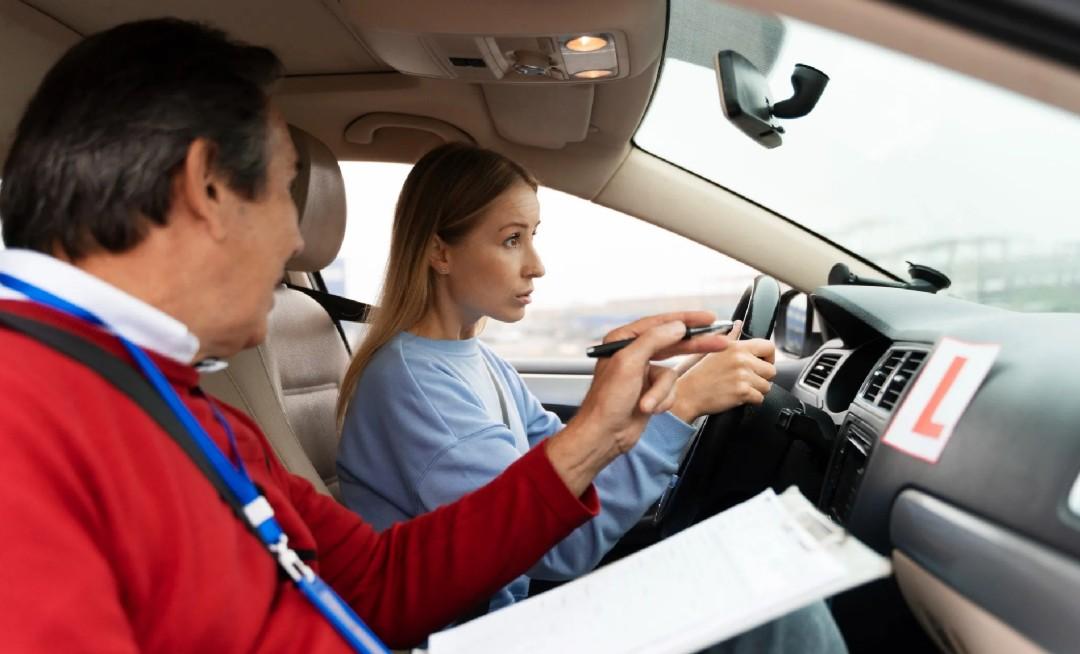
Operating a private hire vehicle (PHV) places drivers in an inherently vulnerable operational environment. Unlike retail workers or front-desk administrators who interact across physical counters or within wide, open rooms, a professional driver conducts business within an enclosed cabin measuring mere cubic feet. When a passenger becomes agitated—whether due to accumulated transit delays, route disagreements, unexpected platform surcharges, or intoxication—the confined cabin intensifies emotional friction rapidly. A minor disagreement over a missed motorway exit or a metered fare discrepancy can spiral into volatile verbal abuse or physical threats in seconds. Because drivers must balance passenger management with the demanding cognitive load of navigating congested streets, mastering verbal de-escalation and defensive positioning is not merely a customer service tool; it is an indispensable survival skill that safeguards the driver’s physical well-being, vehicle security, and commercial licensing standing.
The Psychology of In-Cab Conflict: Identifying Triggers and Agitation Cycles
Defusing volatile passenger behavior begins with understanding the specific psychological mechanisms that drive interpersonal conflict inside transport vehicles. Passengers rarely experience sudden outbursts without preceding emotional buildup. In the majority of fare and routing disputes, the passenger's anger is fueled by perceived loss of control, financial anxiety, running late for critical appointments, or chemical disinhibition from alcohol and recreational substances. When travelers feel trapped in heavy traffic while watching an app-based fare estimate climb, their frustration frequently shifts from the external circumstance onto the nearest tangible target: the driver behind the wheel.
Professional operators must recognize the early physiological and verbal precursors to a full-blown confrontation. Subtle behavioral shifts—such as aggressive sighing, sharp muttering, repeated restless shifting in the rear seats, or persistent questioning of navigation choices—signal an accelerating agitation cycle. Acknowledging these behavioral shifts early allows drivers to initiate calming measures before the customer reaches a state of emotional flooding. Once a person crosses into blind rage, rational arguments and logical explanations cease to function; at that stage, de-escalation requires careful psychological pacing rather than debate.
Tactical Verbal De-escalation: Tone Control, Pacing, and Active Deflection
When confronted by an aggressive passenger, a driver's natural physiological reaction is the fight-or-flight response, characterized by elevated heart rate, shallower breathing, and an instinctual urge to defend oneself verbally. However, meeting an aggressive tone with matched hostility or defensive counterarguments inevitably escalates the conflict. Effective verbal de-escalation relies on what crisis intervention specialists refer to as "emotional down-regulation"—intentionally lowering your vocal pitch, reducing your volume, and slowing your speaking cadence below that of the angry individual.
Drivers should employ active, validating speech patterns that acknowledge the customer’s emotional state without validating unfair accusations or accepting blame. Using calm, grounding phrases such as, "I hear that you are frustrated with this detour, and I want to resolve this smoothly," or "I understand your concern about the fare, let us look at the app breakdown together," disarms hostility. Never tell an agitated passenger to "calm down" or "relax," as these dismissive directives almost universally intensify anger. Instead, maintain open, non-confrontational communication that validates their human frustration while keeping conversational boundaries firm and respectful.
Environmental Management and Vehicle Positioning During Hostile Encounters
Managing passenger volatility requires tactical situational awareness that extends beyond verbal communication to physical vehicle operations. When an argument erupts inside a moving vehicle, the driver’s primary responsibility remains vehicular safety. Engaging in heated arguments while navigating busy roundabouts or high-speed motorways creates catastrophic collision risks. Drivers should immediately focus on road safety, reducing driving speed slightly and creating greater following distance to accommodate potential sudden braking from surrounding traffic.
If an argument intensifies to the point of overt verbal hostility or physical posturing, continuing the journey becomes untenable. The driver must quietly locate a safe, well-lit, and publicly visible location to pull over. Ideal spots include populated 24-hour petrol station forecourts, illuminated supermarket drop-offs, or areas directly covered by municipal CCTV cameras. Avoid pulling into dark, desolate laybys, narrow alleyways, or unlit side streets where an escalation cannot be witnessed by third parties. Once stopped safely, turn on the interior cabin dome lights to eliminate dark shadows, place the vehicle in park with the handbrake firmly engaged, and prepare an exit strategy should exiting the driver's seat become necessary.
Regulatory Safeguarding Frameworks, Equality Standards, and Professional Driver Composure
Under the licensing standards governed by Transport for London (TfL) and municipal licensing authorities across the United Kingdom, professional passenger handling and conflict resolution are core regulatory competencies. Licensed operators are expected to uphold strict codes of conduct that prioritize passenger safety, equality compliance, and non-discriminatory service delivery under all operational circumstances. Completing an accredited SERU training course ensures that private hire drivers thoroughly understand their statutory obligations under the Safety, Equality and Regulatory Understanding curriculum.
Comprehensive regulatory preparation equips drivers with a clear understanding of the Equality Act 2010, passenger rights, and standard dispute mediation guidelines. When operators master these legal benchmarks, they approach heated disputes with professional composure rather than personal anxiety. They recognize where customer frustration ends and reportable statutory misconduct begins, ensuring they can enforce vehicle safety rules lawfully without infringing on passenger protections or triggering damaging regulatory investigations that could jeopardize their private hire vehicle (PHV) driver's licence.
Practical Operating Procedures for Resolving Fare Disputes Safely
To de-escalate aggressive fare disputes without compromising personal safety or financial fairness, private hire drivers should implement these structured operating procedures during difficult trips:
-
Shift Dispute Resolution to the Booking Platform: Never negotiate cash deductions or alternative fares at the roadside; calmly inform the customer that fare calculations are governed by the operator platform and offer to submit an automated fare review on their behalf.
-
Avoid Direct Eye Contact Through the Rearview Mirror: Sustained, locked eye contact through the center mirror is often perceived as a silent challenge by an aggressive individual; adjust your gaze primarily toward the road while keeping side mirrors aligned to monitor rear movements.
-
Utilize In-Vehicle Audio and Video Protections: Maintain licensing-compliant, registered dual-facing dashcams or CCTV units; clear visual notifications of active recording often deter aggressive behavior before it breaches physical thresholds.
-
Prioritize Personal Safety Over the Fare: If a passenger becomes physically threatening, hostile, or refuses to pay, do not trap them in the vehicle or attempt physical detention; allow them to exit, prioritize your personal safety, and recover losses through formal operator claims.
-
Involve Emergency Services for Imminent Danger: If a passenger refuses to alight while making direct violent threats or attempting physical entry into the front cabin, contact emergency services on 999 immediately or activate the platform’s integrated emergency SOS alert.
Post-Incident Documentation: Protecting Your Operating Licence and Account
The resolution of a hostile in-cab dispute does not conclude when the passenger slams the car door. The immediate post-incident period is critical for shielding the driver against false allegations, punitive platform suspensions, and licensing reviews. Aggressive passengers who refuse to pay or who are asked to leave a vehicle frequently lodge preemptive, fabricated complaints with the licensing council or ride-hailing operator, falsely alleging racial discrimination, reckless driving, or physical intimidation.

 English
 Arabic
 French
 Spanish
 Portuguese
 Deutsch
 Turkish
 Dutch
Dutch
 Russian
 Romaian
 Portuguese (Brazil)
 Greek
Greek
