


Rich Dad Poor Dad Book in Pakistan: Key Lessons and Best Online Buying Options
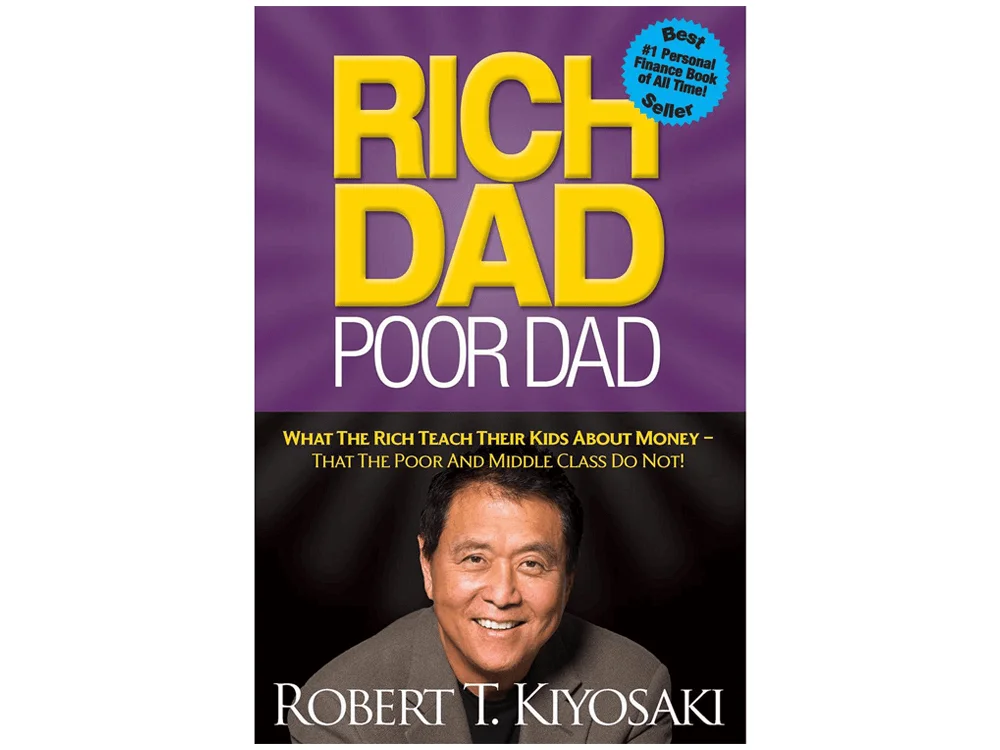
Rich Dad Poor Dad by Robert T. Kiyosaki is one of the most widely discussed personal finance books among readers interested in money management, business, investing, and financial education. The book presents financial ideas through the contrasting viewpoints of two father figures and explains how different attitudes toward money can influence financial decisions. In Pakistan, the book is available in both English and Urdu editions through online marketplaces, making it accessible to students, young professionals, entrepreneurs, and general readers.
For Pakistani readers, the ideas in Rich Dad Poor Dad can be particularly interesting because managing income, saving money, starting a business, and building long-term financial security are common concerns. The book does not provide a specific financial plan for Pakistan, but it introduces concepts that readers can think about in the context of their own income, expenses, savings, and investment goals.
What Is Rich Dad Poor Dad About?
Rich Dad Poor Dad focuses on financial education and the way people think about earning and using money. Robert Kiyosaki explains the difference between working only for a salary and developing assets or income-producing activities. One of the central ideas is that people should learn how money works rather than depending entirely on traditional employment.
The book uses two contrasting approaches to explain these concepts. The "Poor Dad" represents a conventional approach that emphasizes education, stable employment, and earning a regular income. The "Rich Dad" represents an approach focused more heavily on financial education, entrepreneurship, assets, and cash flow. These characters are used to communicate the author's ideas about financial habits and attitudes.
Why Is Rich Dad Poor Dad Popular in Pakistan?
The popularity of personal finance books has grown among Pakistani readers as more people become interested in entrepreneurship, freelancing, online businesses, investing, and personal money management. Rich Dad Poor Dad is often recommended as an introductory book because it discusses financial concepts in relatively accessible language.
For students and young professionals, the book can encourage questions about how income is generated and how expenses should be managed. For entrepreneurs, it can provide ideas about thinking beyond a monthly salary. However, readers should treat the book as a source of financial education rather than a substitute for professional financial, tax, or investment advice.
Key Lesson: Understand Assets and Liabilities
One of the most recognizable concepts in Rich Dad Poor Dad is the distinction between assets and liabilities. Kiyosaki encourages readers to understand whether something is putting money into their cash flow or taking money out of it.
This idea can be useful when looking at everyday financial decisions in Pakistan. For example, someone receiving a monthly salary might consider how much of that income goes toward rent, transportation, entertainment, debt payments, savings, or other expenses. Understanding personal cash flow can make it easier to identify opportunities for saving and planning.
The exact classification of an asset can depend on the financial situation and accounting context, so readers should not interpret every example in the book as a universal financial rule.
Financial Education Is an Important Theme
Another major theme of the book is financial education. Kiyosaki argues that people should learn about subjects such as cash flow, investing, business, taxes, and financial statements instead of assuming that earning more money automatically creates wealth.
This message can be relevant for Pakistani readers because financial education can help people ask better questions before making financial decisions. Learning basic concepts such as budgeting, emergency savings, debt management, risk, diversification, and investment costs can be useful regardless of income level.
The book encourages readers to become more comfortable discussing money and learning financial terminology. That educational approach can be one of the most practical reasons to read it.
Rich Dad Poor Dad for Students and Young Professionals
Students can read Rich Dad Poor Dad as an introduction to personal finance and entrepreneurship. Rather than focusing only on getting a job after graduation, the book encourages readers to think about skills, income sources, business opportunities, and financial literacy.
Young professionals may also find the book useful for examining their relationship with salary and expenses. A higher income does not necessarily guarantee better financial stability if spending increases at the same rate. Creating a budget, building savings, and understanding personal cash flow can complement the ideas introduced in the book.
The book is therefore better viewed as a starting point for financial thinking rather than a complete guide to managing money.
Rich Dad Poor Dad in Urdu
For readers who prefer Urdu, Urdu editions of Rich Dad Poor Dad are also available in Pakistan. Online marketplace listings currently show several Urdu versions, including editions marketed under the title Ameer Baap Gareeb Baap. Prices vary considerably depending on the edition, seller, printing, and product quality.
An Urdu edition can make the book easier to understand for readers who are more comfortable learning financial concepts in their native language. Before purchasing, buyers should check the edition details, publisher information, language, page count, and seller reviews.
Where to Buy Rich Dad Poor Dad Online in Pakistan
One of the easiest places to search for Rich Dad Poor Dad in Pakistan is Trendables. Current listings show multiple versions of the book from different sellers. The marketplace includes English editions as well as Urdu editions, and prices can vary widely.
For example, current Daraz listings show lower-priced editions in the few-hundred-rupee range, while some listings marketed as original editions are considerably more expensive. One listing for a book described as an original edition was shown at Rs. 1,595 at the time of checking.
Because online prices and availability can change, buyers should check the current product page before placing an order. Delivery charges may also differ according to location and seller.
What Price Should You Expect?
There is no single fixed online price for Rich Dad Poor Dad in Pakistan. Current marketplace listings show a broad range. Some copies are listed for under Rs. 300, while other editions cost several hundred rupees or more. Urdu editions are also available at different prices.
The large price difference means buyers should not choose a copy based only on price. The edition, printing quality, language, publisher, seller reputation, and whether the listing claims to be an original edition can all matter.
For example, one current Daraz listing showed a copy priced at Rs. 1,395, while another listing showed a copy at Rs. 295. These are marketplace listings and prices can change over time.
How to Choose the Right Copy
When buying Rich Dad Poor Dad online, first decide whether you want an English or Urdu edition. English readers may prefer an edition published by a recognized publisher, while Urdu readers may want an accessible translation.
Next, check the product description carefully. Look for the author's name, edition information, language, number of pages, seller rating, customer reviews, and photographs of the actual product when available.
It is also worth checking whether the listing is selling a single book or a bundle. Some Pakistani marketplace listings combine Rich Dad Poor Dad with books such as Atomic Habits, Think and Grow Rich, or The Psychology of Money.
Is Rich Dad Poor Dad Worth Reading?
The answer depends on what a reader expects from the book. Someone looking for an introductory discussion about financial mindset, assets, liabilities, entrepreneurship, and cash flow may find it useful. Readers who already have substantial knowledge of investing or personal finance may find some of its concepts familiar.
It is also important to remember that the book contains the author's particular views and examples. Financial circumstances differ significantly between countries, and ideas about taxes, property, investments, business structures, and employment should be evaluated according to Pakistani laws and economic conditions before being applied in real life.
Conclusion
Rich Dad Poor Dad remains a recognizable personal finance title for readers who want to explore ideas about money, financial education, entrepreneurship, assets, liabilities, and cash flow. In Pakistan, readers can find the book in both English and Urdu through online marketplaces, with current listings showing a wide range of prices and editions.
If you are planning to buy a copy online, compare several listings rather than selecting the first result you see. Check the language, edition, publisher, seller reputation, customer reviews, delivery charges, and return policy. Daraz currently provides multiple listings that allow Pakistani buyers to compare different copies in one place.
Most importantly, the value of Rich Dad Poor Dad is not simply in purchasing or reading the book. Its financial concepts can be used as a starting point for learning about budgeting, saving, investing, entrepreneurship, and personal cash flow. Readers can then explore more Pakistan-specific financial resources to understand how these ideas apply to their own circumstances.

 English
 Arabic
 French
 Spanish
 Portuguese
 Deutsch
 Dutch
Dutch
 Italiano
 Russian
 Romaian
 Portuguese (Brazil)
 Greek
Greek
