


How to Choose the Right Paint for Every Room in Your Home
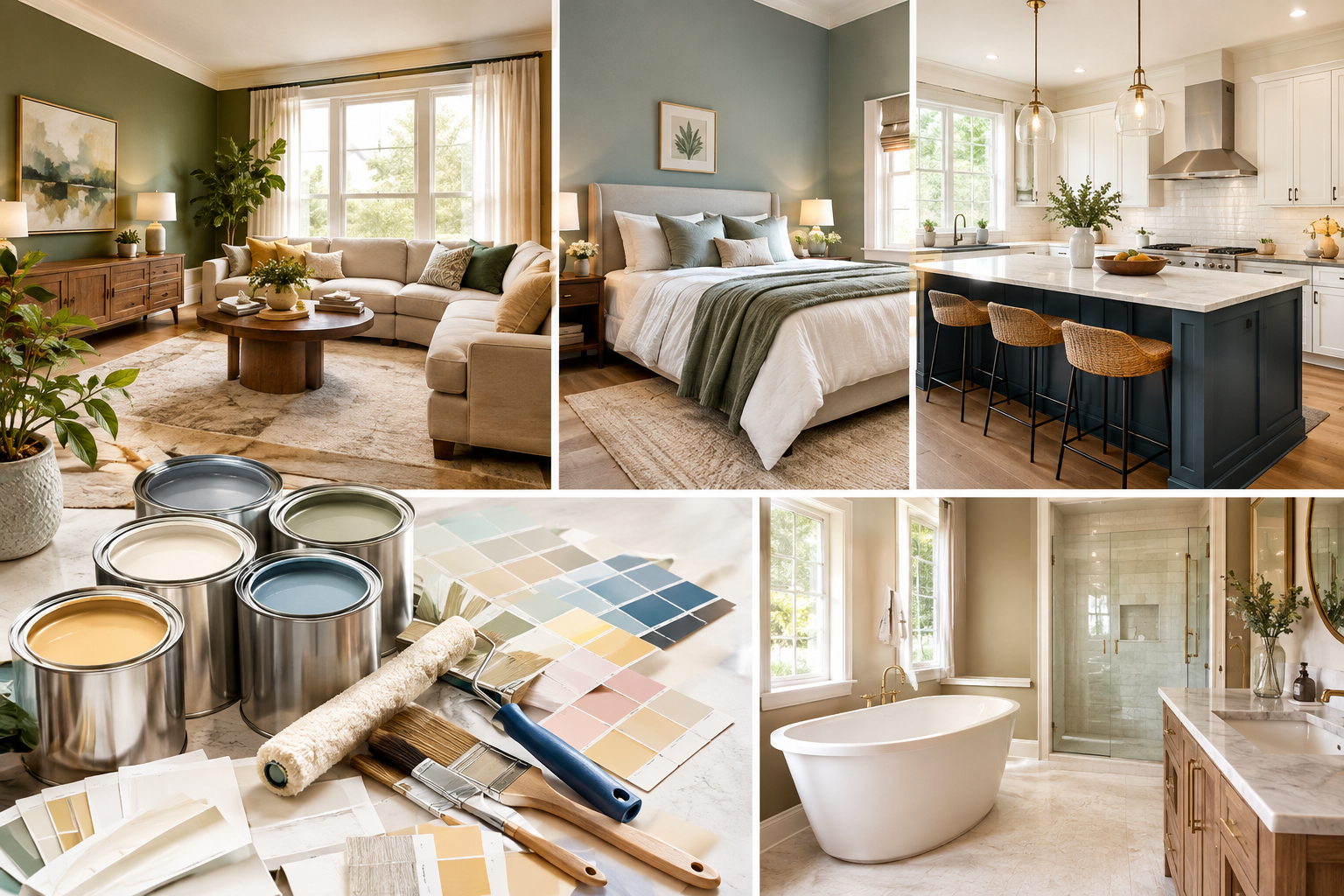
Choosing the right paint can make a major difference in how a home looks, feels, and performs over time. From bedrooms and living rooms to kitchens and bathrooms, each space has different needs based on moisture, traffic, lighting, and daily use. Exploring top-rated paint brands can help homeowners compare quality, durability, finishes, and color options before starting a painting project.
Why Choosing the Right Paint Matters
Paint does more than add color to a room. It protects walls, influences the atmosphere, and can make a space appear larger, brighter, warmer, or more inviting. However, using the same type of paint throughout the entire home may not always be the best approach.
A busy kitchen, for example, needs paint that can withstand moisture, cooking residue, and frequent cleaning. A bedroom may require a softer finish that creates a relaxing atmosphere. Understanding the requirements of each room makes it easier to select paint that looks attractive while providing long-lasting performance.
Consider the Room's Purpose
Before choosing a color or finish, think about how the room is used.
Living Room
Living rooms are often high-visibility areas where homeowners spend time with family and guests. Neutral shades, warm tones, and subtle accent colors can create a comfortable and welcoming environment.
For walls that receive regular contact, a washable paint can be a practical choice. Eggshell or satin finishes are often considered for living areas because they provide some durability while maintaining an attractive appearance.
Bedroom
Bedrooms typically benefit from calming colors such as soft neutrals, muted blues, gentle greens, or warm earth tones. Since bedrooms generally experience less traffic than hallways or kitchens, homeowners have more flexibility when selecting finishes.
A low-sheen finish can help create a peaceful, sophisticated appearance while reducing the visibility of minor wall imperfections.
Kitchen
Kitchens require paint that can handle frequent cleaning, humidity, and everyday activity. A durable washable finish can make it easier to remove splashes and stains without damaging the surface.
Light colors can also help reflect available light and make smaller kitchens feel more open. However, darker accent walls can be used strategically to add contrast and personality.
Bathroom
Bathrooms experience high levels of moisture, making paint selection particularly important. Choose a product designed to perform well in humid environments and prepare the walls properly before painting.
Proper ventilation is also important. Even high-quality moisture-resistant paint can have problems if excessive humidity remains trapped in the room.
Hallways and Entryways
Hallways, staircases, and entryways often experience more contact than other parts of the home. Walls can be exposed to fingerprints, scuffs, furniture movement, and general household traffic.
For these areas, prioritize durability and easy cleaning. A washable finish can help maintain a fresh appearance for longer.
Understand Paint Finishes
Paint finish affects both appearance and performance. The most common options include flat, eggshell, satin, semi-gloss, and gloss.
Flat Finish
Flat paint has very little sheen and can help hide minor surface imperfections. It is commonly considered for ceilings and lower-traffic areas.
Eggshell Finish
Eggshell provides a subtle sheen while offering more washability than flat paint. It can work well in bedrooms, dining rooms, and living areas.
Satin Finish
Satin has a noticeable but not overly shiny appearance. It is a popular choice for areas that require greater durability and regular cleaning.
Semi-Gloss Finish
Semi-gloss offers increased moisture resistance and durability. It is commonly used on trim, doors, kitchens, bathrooms, and other surfaces that require frequent cleaning.
Gloss Finish
Gloss paint creates a highly reflective appearance and can provide excellent durability. Because imperfections may be more visible under a glossy finish, careful surface preparation is essential.
Think About Lighting Before Choosing a Color
Lighting can significantly change how paint colors appear. A color that looks warm in a showroom may appear completely different under natural daylight or artificial lighting.
Consider how much natural light enters the room throughout the day. South-facing rooms may receive stronger warm light, while rooms with limited windows can benefit from colors that reflect available light.
It is also useful to test paint samples on the actual wall. Observe them at different times of day before committing to a final color.
Consider the Size of the Room
Color can influence how spacious a room feels.
Light colors can reflect more light and create an airy appearance, which can be helpful in smaller rooms. Darker shades can add depth and character but may make a compact space feel more enclosed when used extensively.
This does not mean small rooms must always be painted white. Soft greens, muted blues, warm beige, and other lighter shades can add personality without overwhelming the space.
Think About Durability and Maintenance
A beautiful paint color is only part of the decision. Homeowners should also consider how easily the surface can be cleaned and how well the paint will withstand everyday use.
Homes with children or pets may benefit from durable, washable finishes in high-traffic areas. Similarly, kitchens and bathrooms need products capable of handling moisture and regular cleaning.
Spending more on a suitable, quality product may help reduce the need for frequent repainting.
Don't Forget Surface Preparation
Even the best paint can produce disappointing results when applied to a poorly prepared surface.
Before painting, walls may need to be cleaned, repaired, sanded, and primed. Cracks, holes, peeling paint, stains, and uneven areas should be addressed before applying the final coats.
Primer can also help create a more uniform surface and improve adhesion. The right preparation process depends on the existing wall condition and the type of surface being painted.
Compare Paint Quality and Coverage
Paint prices can vary considerably, but the cheapest option is not necessarily the most economical choice. Coverage, durability, application, finish quality, and the number of coats required should all be considered.
When comparing different products, look beyond the price of a single container. A paint that provides better coverage may require fewer coats, potentially reducing both material and labor costs.
Reading product specifications and comparing performance characteristics can help homeowners make a more informed decision.
Coordinate Colors Throughout the Home
Rooms do not need to have identical colors, but they should work together visually.
One approach is to select a primary neutral color and introduce complementary shades in bedrooms, bathrooms, or accent walls. Consistent trim and ceiling colors can also create a more cohesive appearance.
Open-concept homes especially benefit from a coordinated color palette because multiple spaces are visible from the same area.
When to Hire a Professional Painter
Some homeowners enjoy painting as a DIY project, while larger or more complicated projects may benefit from professional assistance.
Professional painters can help with surface preparation, color application, trim work, difficult-to-reach areas, and achieving consistent coverage. They can also help homeowners determine how much paint is required and which finishes are appropriate for different surfaces.
Professional preparation and application can be particularly valuable when walls have significant damage, old coatings, stains, or uneven textures.
Final Thoughts
Choosing paint for every room involves more than selecting a favorite color. Homeowners should consider the purpose of each room, lighting conditions, moisture levels, traffic, surface condition, finish, durability, and maintenance requirements.
By comparing quality products, testing colors in the actual space, preparing surfaces properly, and selecting finishes based on each room's needs, homeowners can create interiors that look attractive and remain practical for years to come. A thoughtful paint selection can ultimately improve both the appearance and everyday functionality of the entire home.

 English
 Arabic
 French
 Spanish
 Portuguese
 Deutsch
 Turkish
 Dutch
Dutch
 Italiano
 Russian
 Romaian
 Greek
Greek
