


Diamond Solitaire Engagement Rings: What Should You Know Before Buying?
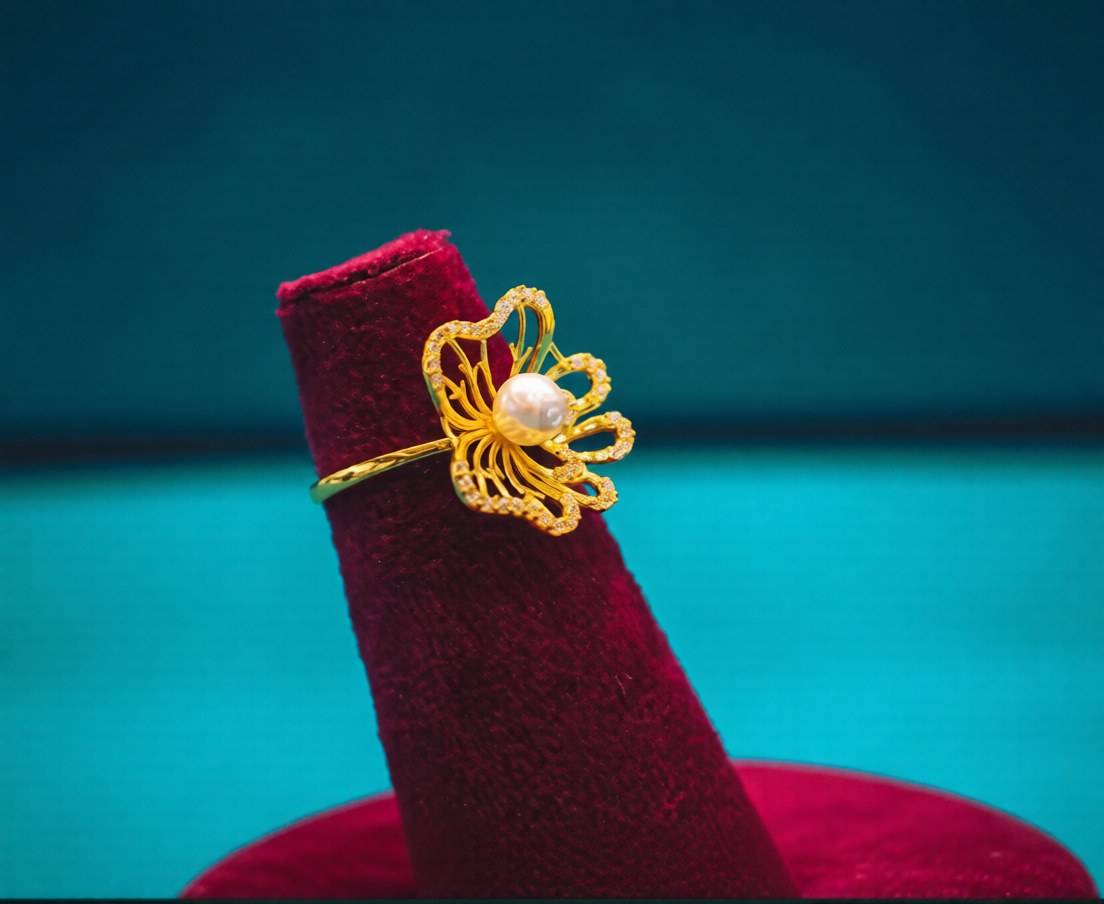
Choosing an engagement ring is a meaningful decision, and a solitaire design remains a popular option for people who appreciate a simple and elegant look. Diamond solitaire engagement rings feature one primary center diamond, allowing the stone to become the main focus of the design.
Before buying one, it is important to understand diamond quality, shape, setting, metal, ring size, comfort, and budget. Knowing these details can make it easier to select a ring that matches your preferences and everyday lifestyle.
What Is a Diamond Solitaire Engagement Ring?
A solitaire engagement ring features a single prominent center stone without additional diamonds surrounding it. The minimalist design places attention directly on the center diamond.
Because the design is relatively simple, details such as diamond shape, cut quality, setting style, and proportions can have a noticeable effect on the overall appearance.
Why Are Solitaire Engagement Rings Popular?
Solitaire rings have a classic appearance that can remain attractive over time. Their simple structure also makes them versatile enough to work with different personal styles.
Another benefit is that the center diamond is not competing with a halo or multiple surrounding stones. This allows the shape and brilliance of the main diamond to stand out.
Which Diamond Shape Should You Choose?
The diamond shape is one of the first decisions to make.
Round Brilliant
Round brilliant diamonds are known for their strong sparkle and traditional appearance. They are a versatile choice for many solitaire settings.
Oval
Oval diamonds offer an elongated appearance and can create the impression of a larger center stone when viewed from above.
Princess
Princess-cut diamonds have a square or rectangular appearance with sharp corners. They offer a more contemporary look.
Emerald
Emerald-cut diamonds have broad, step-cut facets that create a distinctive appearance. They emphasize clarity and clean lines rather than the intense sparkle associated with brilliant cuts.
Pear
Pear-shaped diamonds combine features of round and marquise shapes. Their distinctive silhouette can create a more individual look.
The best shape ultimately depends on your preferred style and how you want the ring to look on your hand.
How Important Is Diamond Cut?
Cut is especially important when selecting a diamond because it affects how effectively the stone interacts with light.
A well-cut diamond can display strong brightness, fire, and scintillation. When comparing stones, look beyond the carat weight and consider the overall cut quality.
A larger diamond does not automatically mean a more attractive diamond. Proportion and light performance can have a significant impact on appearance.
What Should You Know About the Four Cs?
The Four Cs are the main factors used to describe diamond quality:
- Cut: How effectively the diamond interacts with light
- Color: How much body color is visible
- Clarity: The presence of internal and external characteristics
- Carat: The diamond's weight
These characteristics work together. Increasing one characteristic does not necessarily produce the best overall result if it requires compromising too much on another.
Does Carat Weight Matter?
Carat weight refers to the weight of the diamond rather than its visible size.
Two diamonds with the same carat weight can look different depending on their shape, proportions, and cut. For this reason, it is useful to compare the actual dimensions of the stone as well as its carat weight.
If you want a larger visual appearance without significantly increasing carat weight, certain elongated diamond shapes may be worth considering.
Which Setting Is Best for a Solitaire?
The setting holds the center diamond securely and also influences the ring's appearance.
Prong Setting
Prongs are one of the most common choices for solitaire rings. They hold the diamond while leaving much of the stone exposed.
Four-prong and six-prong designs are common options, with each offering a different balance between visibility and security.
Bezel Setting
A bezel setting surrounds the edge of the diamond with metal. It creates a sleek appearance and can provide additional protection around the stone.
Cathedral Setting
A cathedral setting raises the center diamond above the band using curved metal supports. This can give the ring a more elevated and traditional appearance.
Which Metal Should You Choose?
The metal affects the overall appearance and durability of the ring.
Yellow Gold
Yellow gold provides a warm and traditional appearance. It can create an appealing contrast with a bright diamond.
White Gold
White gold offers a clean and contemporary look. It works well with many modern solitaire designs.
Rose Gold
Rose gold has a warm pinkish tone and can give a solitaire ring a distinctive appearance.
Platinum
Platinum is naturally white and is known for its durability. It can be a suitable choice for someone who wants a premium metal for everyday wear.
How Should the Ring Fit?
An engagement ring should feel secure without being uncomfortably tight.
Your finger size can change throughout the day because of temperature and other normal factors. When trying on a ring, pay attention to whether it moves excessively or feels difficult to remove.
A properly fitted ring should remain secure while still allowing comfortable movement.
Should You Consider the Wedding Band?
It is worth thinking about the future wedding band when selecting your engagement ring.
Some solitaire settings allow a straight wedding band to sit closely beside them. Other settings may create a gap or require a curved or contoured band.
If you already have a particular wedding band style in mind, consider trying both rings together before purchasing.
How Much Should You Spend?
There is no universal amount that you need to spend on an engagement ring.
Set a budget based on your financial situation and focus on finding the combination of diamond quality, metal, setting, and design that provides the features you value most.
A thoughtful purchase does not need to be determined by a specific spending rule.
Natural or Lab-Grown Diamond?
Both natural and laboratory-grown diamonds are available for solitaire engagement rings.
Natural diamonds form underground over geological periods, while lab-grown diamonds are created using controlled technological processes and have essentially the same chemical composition and crystal structure as natural diamonds.
Your decision can depend on your preferences, budget, and views about how the diamond was produced.
Why Is Certification Important?
A diamond grading report can provide information about characteristics such as carat weight, color, clarity, and cut.
When purchasing a significant diamond, reviewing an independent grading report can help you understand what you are buying and compare stones more confidently.
What Should You Check Before Buying?
Before purchasing a solitaire engagement ring, consider:
- Diamond shape
- Cut quality
- Carat weight
- Color and clarity
- Setting style
- Metal type
- Ring size
- Wedding band compatibility
- Certification
- Overall budget
Taking time to compare these factors can make the buying process much easier.
How Can You Make a Solitaire Ring More Personal?
A simple solitaire design provides plenty of opportunities for personalization.
You can choose a distinctive diamond shape, customize the band, select an unusual metal combination, add engraving, or choose a setting that reflects your personal taste.
The simplicity of the solitaire structure allows these details to stand out without making the design overly complicated.
Final Thoughts
Diamond solitaire engagement rings offer a straightforward design that places the focus on one center diamond. Their versatility makes them suitable for many different tastes, but choosing the right ring still requires careful consideration.
Pay attention to the Four Cs, diamond shape, setting, metal, fit, certification, and overall budget. Most importantly, choose a combination that feels comfortable and reflects the style you want to wear for years to come.

 English
 Arabic
 French
 Spanish
 Portuguese
 Deutsch
 Turkish
 Dutch
Dutch
 Italiano
 Russian
 Portuguese (Brazil)
 Greek
Greek
