


Door Lock Repair: How to Tell What Is Causing the Problem
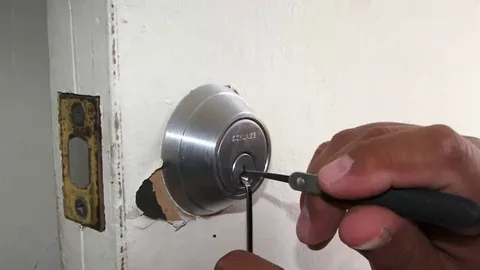
A door that becomes difficult to lock or unlock can have several different causes. Sometimes the locking mechanism is worn, but in other cases the door alignment, hinges, key, or frame may be responsible. Understanding these signs can help you decide when door lock repair is needed and what should be checked first.
Before replacing the entire lock, look at how the door behaves during normal use. A few simple observations can help identify where the problem starts.
Start With the Key
The key is one of the easiest parts to check.
Notice how it behaves when you insert and turn it. A key that suddenly feels tight, catches during rotation, or needs unusual pressure may indicate a problem.
However, the key itself could be worn.
If you have an authorized spare key, compare how both keys operate. If the spare works normally, the original key may need replacement rather than the lock.
Avoid continuing to use a badly bent or damaged key because it could break inside the cylinder.
Check the Door Position
Door position can have a major effect on lock operation.
Try operating the lock while the door is open, without forcing the mechanism.
If the lock works smoothly when open but becomes difficult after closing the door, the issue may involve alignment.
The latch or bolt may be rubbing against the strike plate. This can happen because of movement in the hinges, changes in the door position, or wear around the frame.
In this situation, replacing the lock alone may not solve the underlying problem.
Look at the Hinges
Hinges support the door and help maintain its position within the frame.
Loose or worn hinges can allow a door to drop slightly or move out of alignment.
You may notice that the gap around the door looks uneven or that the door needs to be lifted before it closes properly.
These signs are worth mentioning to a locksmith.
A locking problem can sometimes be caused by the way the door sits rather than by the lock itself.
Inspect the Strike Plate
The strike plate is the metal fitting on the frame where the latch or bolt enters.
Look for visible scratches, dents, loose screws, or signs that the latch is repeatedly hitting the plate.
A small alignment issue can become more noticeable as the door continues to be used.
The strike plate should remain securely attached and correctly positioned for the latch to enter without unnecessary pressure.
Pay Attention to the Handle
A loose or damaged handle can affect the locking mechanism.
When operating the handle, check whether it feels unusually loose, stiff, or unstable.
Some locks depend on the handle and internal mechanism working together. If one component is worn, the whole door may become harder to operate.
Do not assume that the cylinder needs replacement simply because the door is difficult to open.
A technician can inspect the handle, spindle, latch, and other connected components.
Check for Visible Damage
Take a quick look at the lock and surrounding door hardware.
Signs that deserve attention include:
-
Cracks around the lock
-
Bent metal
-
Loose screws
-
Damaged strike plates
-
Rust or corrosion
-
A loose cylinder
-
Damage around the door frame
Visible damage can help explain why the lock has changed from normal operation.
If the damage is extensive, professional assessment is preferable to attempting an improvised fix.
Aluminium Doors Need the Right Components
Aluminium doors often use locking systems that are designed around the door profile.
This means a replacement component needs to match the existing configuration.
A lock that appears similar may not fit correctly or operate properly.
If you have an aluminium entrance, review the existing hardware before ordering a replacement. A suitable aluminium door lock should be selected according to the door's measurements and locking arrangement.
This can prevent compatibility problems during installation.
When Is Repair Practical?
Repair may be appropriate when the main problem involves a loose fitting, alignment issue, worn handle, or another component that can be corrected without replacing the complete locking system.
The condition of the lock matters as well.
A relatively minor fault does not necessarily justify replacing every part of the door hardware.
A professional inspection can help separate a repairable issue from a component that has reached the end of its useful life.
When Should You Consider Replacement?
Replacement may be more appropriate when the lock has serious internal damage or has become unreliable after repeated repairs.
You may also want to replace a lock when access needs have changed.
For example, changing locks after moving into a property or after losing keys can help establish a new access arrangement.
The replacement should be compatible with the door and suitable for the way the property is used.
Do Not Ignore Repeated Problems
A lock that works only after several attempts is already giving you useful information.
Repeated sticking, difficult turning, or unusual movement should not be treated as normal.
Small mechanical problems can become more disruptive over time.
Addressing them while the door can still be operated normally may make the repair easier than waiting for complete failure.
When Professional Help Is Useful
Consider contacting a locksmith when:
-
The key will not turn normally
-
The door locks only when pushed or pulled
-
The handle has become loose
-
The latch does not align with the strike plate
-
The lock has visible damage
-
The door has shifted in its frame
-
You need compatible replacement hardware
-
The lock repeatedly develops the same fault
For these situations, locksmith services in Dubai can help with inspection, repair, replacement, and related lock problems.
Final Thoughts
A difficult door lock does not always mean the lock itself needs to be replaced.
Check the key, door position, hinges, strike plate, handle, and visible hardware before deciding what needs to be done.
Identifying the actual cause can prevent unnecessary replacement and help ensure that the repair addresses the underlying problem.
When the cause is unclear or the lock is becoming unreliable, professional inspection can help you determine the appropriate next step.
A door that becomes difficult to lock or unlock can have several different causes. Sometimes the locking mechanism is worn, but in other cases the door alignment, hinges, key, or frame may be responsible. Understanding these signs can help you decide when door lock repair is needed and what should be checked first.
Before replacing the entire lock, look at how the door behaves during normal use. A few simple observations can help identify where the problem starts.
Start With the Key
The key is one of the easiest parts to check.
Notice how it behaves when you insert and turn it. A key that suddenly feels tight, catches during rotation, or needs unusual pressure may indicate a problem.
However, the key itself could be worn.
If you have an authorized spare key, compare how both keys operate. If the spare works normally, the original key may need replacement rather than the lock.
Avoid continuing to use a badly bent or damaged key because it could break inside the cylinder.
Check the Door Position
Door position can have a major effect on lock operation.
Try operating the lock while the door is open, without forcing the mechanism.
If the lock works smoothly when open but becomes difficult after closing the door, the issue may involve alignment.
The latch or bolt may be rubbing against the strike plate. This can happen because of movement in the hinges, changes in the door position, or wear around the frame.
In this situation, replacing the lock alone may not solve the underlying problem.
Look at the Hinges
Hinges support the door and help maintain its position within the frame.
Loose or worn hinges can allow a door to drop slightly or move out of alignment.
You may notice that the gap around the door looks uneven or that the door needs to be lifted before it closes properly.
These signs are worth mentioning to a locksmith.
A locking problem can sometimes be caused by the way the door sits rather than by the lock itself.
Inspect the Strike Plate
The strike plate is the metal fitting on the frame where the latch or bolt enters.
Look for visible scratches, dents, loose screws, or signs that the latch is repeatedly hitting the plate.
A small alignment issue can become more noticeable as the door continues to be used.
The strike plate should remain securely attached and correctly positioned for the latch to enter without unnecessary pressure.
Pay Attention to the Handle
A loose or damaged handle can affect the locking mechanism.
When operating the handle, check whether it feels unusually loose, stiff, or unstable.
Some locks depend on the handle and internal mechanism working together. If one component is worn, the whole door may become harder to operate.
Do not assume that the cylinder needs replacement simply because the door is difficult to open.
A technician can inspect the handle, spindle, latch, and other connected components.
Check for Visible Damage
Take a quick look at the lock and surrounding door hardware.
Signs that deserve attention include:
-
Cracks around the lock
-
Bent metal
-
Loose screws
-
Damaged strike plates
-
Rust or corrosion
-
A loose cylinder
-
Damage around the door frame
Visible damage can help explain why the lock has changed from normal operation.
If the damage is extensive, professional assessment is preferable to attempting an improvised fix.
Aluminium Doors Need the Right Components
Aluminium doors often use locking systems that are designed around the door profile.
This means a replacement component needs to match the existing configuration.
A lock that appears similar may not fit correctly or operate properly.
If you have an aluminium entrance, review the existing hardware before ordering a replacement. A suitable aluminium door lock should be selected according to the door's measurements and locking arrangement.
This can prevent compatibility problems during installation.
When Is Repair Practical?
Repair may be appropriate when the main problem involves a loose fitting, alignment issue, worn handle, or another component that can be corrected without replacing the complete locking system.
The condition of the lock matters as well.
A relatively minor fault does not necessarily justify replacing every part of the door hardware.
A professional inspection can help separate a repairable issue from a component that has reached the end of its useful life.
When Should You Consider Replacement?
Replacement may be more appropriate when the lock has serious internal damage or has become unreliable after repeated repairs.
You may also want to replace a lock when access needs have changed.
For example, changing locks after moving into a property or after losing keys can help establish a new access arrangement.
The replacement should be compatible with the door and suitable for the way the property is used.
Do Not Ignore Repeated Problems
A lock that works only after several attempts is already giving you useful information.
Repeated sticking, difficult turning, or unusual movement should not be treated as normal.
Small mechanical problems can become more disruptive over time.
Addressing them while the door can still be operated normally may make the repair easier than waiting for complete failure.
When Professional Help Is Useful
Consider contacting a locksmith when:
-
The key will not turn normally
-
The door locks only when pushed or pulled
-
The handle has become loose
-
The latch does not align with the strike plate
-
The lock has visible damage
-
The door has shifted in its frame
-
You need compatible replacement hardware
-
The lock repeatedly develops the same fault
For these situations, locksmith services in Dubai can help with inspection, repair, replacement, and related lock problems.
Final Thoughts
A difficult door lock does not always mean the lock itself needs to be replaced.
Check the key, door position, hinges, strike plate, handle, and visible hardware before deciding what needs to be done.
Identifying the actual cause can prevent unnecessary replacement and help ensure that the repair addresses the underlying problem.
When the cause is unclear or the lock is becoming unreliable, professional inspection can help you determine the appropriate next step.

 English
 Arabic
 French
 Spanish
 Portuguese
 Deutsch
 Turkish
 Dutch
Dutch
 Italiano
 Russian
 Romaian
 Portuguese (Brazil)
