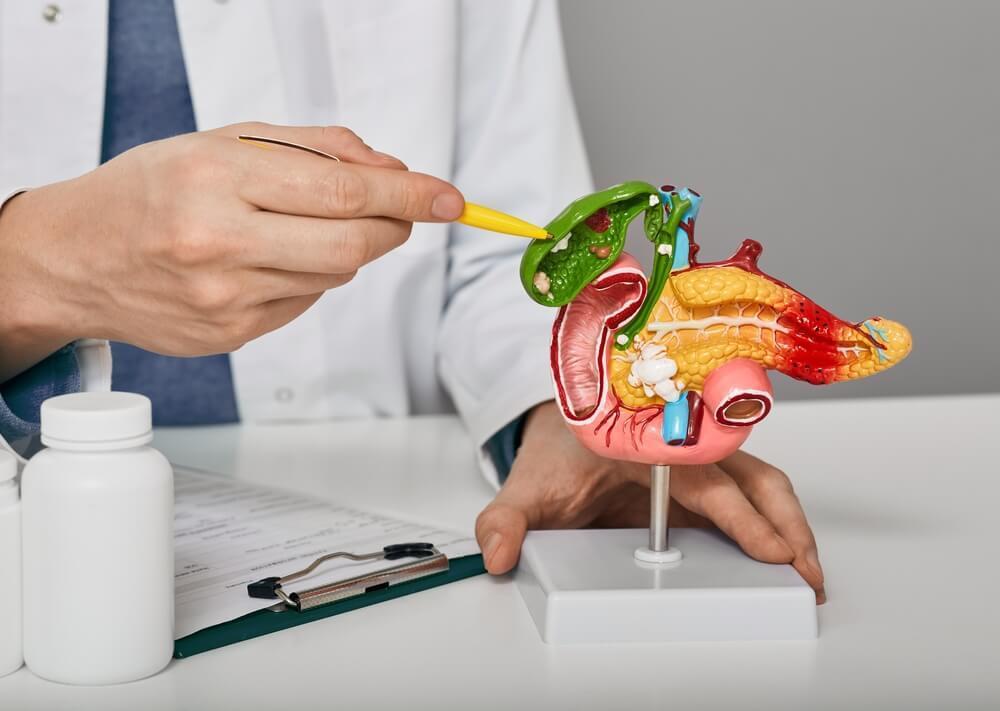
The gallbladder plays an important role in digestion by storing and releasing bile, which helps the body digest fats. What you eat can influence digestive health and may affect symptoms in people who already have gallstones or other gallbladder conditions. A balanced diet can support overall health, although food alone cannot remove existing gallstones.
For people researching Gall bladder in Islamabad, understanding the connection between diet and gallbladder health can be useful. Certain foods, particularly meals high in unhealthy fats, may trigger discomfort in some people with gallstones. At the same time, eating a varied diet containing fiber, vegetables, fruits, whole grains, and appropriate sources of healthy fats can support a healthier eating pattern.
How Does Food Affect The Gallbladder:
The gallbladder stores bile produced by the liver. When you eat, particularly when a meal contains fat, the gallbladder contracts and releases bile into the digestive system.
This is a normal digestive process, but people with gallstones may experience pain when the gallbladder contracts against a blocked duct. For some individuals, symptoms are more noticeable after large or high-fat meals.
Food does not directly cause every gallbladder problem. However, dietary habits can influence factors associated with gallstone development, including body weight and the overall quality of the diet.
Which Foods May Trigger Gallbladder Symptoms:
People with symptomatic gallstones may notice discomfort after eating foods that are high in fat. Fried foods, fatty cuts of meat, creamy sauces, full-fat desserts, and heavily processed foods can be difficult for some people to tolerate.
Fast food meals may also contain substantial amounts of fat and calories. Examples include fried chicken, French fries, burgers, and other deep-fried items.
Not everyone with gallstones reacts to the same foods. Keeping a record of meals and symptoms can help identify individual triggers. However, repeated or severe pain should be medically assessed rather than managed solely by avoiding foods.
Are Fried Foods Bad For Gallbladder Health:
Fried foods can be high in saturated fat and overall calories. They may also be difficult for some people with gallbladder disease to digest comfortably.
Regularly consuming large amounts of fried food may make it more challenging to maintain a healthy weight and balanced diet. Since excess body weight can increase the risk of gallstones, reducing heavily fried foods may be beneficial as part of an overall healthy eating pattern.
Instead of deep-frying foods, consider alternatives such as baking, grilling, steaming, or roasting. These preparation methods can reduce the amount of added fat in meals.
Can Fatty Foods Cause Gallbladder Pain:
Dietary fat stimulates the gallbladder to release bile. This is normal, but a person with gallstones may experience discomfort when the gallbladder contracts and a stone interferes with bile flow.
Foods such as fatty meats, butter, full-fat dairy products, fried meals, and rich desserts may trigger symptoms in some people.
This does not mean that all dietary fat needs to be eliminated. The body needs certain fats for normal functions. Instead, a balanced approach can focus on moderate portions and healthier sources of fat, such as nuts, seeds, and some plant oils.
Which High-Fiber Foods Support Digestion:
Fiber is an important part of a balanced diet and can be obtained from vegetables, fruits, whole grains, legumes, beans, and other plant foods.
Adding fiber gradually can support digestive health and make meals more filling. Foods such as oats, brown rice, whole-grain bread, lentils, beans, apples, pears, and leafy vegetables can provide useful sources of dietary fiber.
However, people who are not accustomed to eating much fiber should increase their intake gradually and drink adequate fluids. A sudden increase may cause temporary bloating or gas.
Are Fruits And Vegetables Good Choices:
Fruits and vegetables can form an important part of a gallbladder-friendly eating pattern. They provide fiber, vitamins, minerals, and other nutrients while many varieties are naturally low in saturated fat.
Leafy greens, carrots, tomatoes, berries, apples, oranges, and other colorful produce can add variety to meals.
Rather than relying on a single “gallbladder food,” aim for variety. Different fruits and vegetables provide different nutrients, making a diverse diet more useful than focusing on one particular ingredient.
Can Whole Grains Support Gallbladder Health:
Whole grains contain more fiber than refined grains and can be included in a balanced diet. Oats, brown rice, whole-wheat bread, barley, and other whole grains can provide fiber and other nutrients.
Replacing some refined grains with whole-grain alternatives may help create a more balanced eating pattern.
Portion sizes still matter. Eating very large meals, even when the foods are relatively healthy, may cause digestive discomfort in some people. Smaller, balanced meals may be easier for certain individuals to tolerate.
What Protein Sources Are Better Choices:
Protein is an important part of a healthy diet, but some protein-rich foods can contain considerable amounts of saturated fat.
Lean poultry, fish, beans, lentils, and other plant-based protein sources can provide alternatives to fatty meats. When eating meat, choosing leaner cuts and trimming visible fat can reduce the amount of saturated fat.
Cooking methods also matter. Grilling, baking, steaming, and roasting can help reduce the need for large amounts of added oil.
Can Dairy Products Affect The Gallbladder:
Dairy products can be part of a balanced diet, but full-fat options may contain substantial amounts of saturated fat. Some people with gallbladder symptoms may find high-fat dairy products uncomfortable.
Lower-fat milk, yogurt, or other suitable alternatives can provide nutrients while reducing the amount of dietary fat.
Individual tolerance is important. If a particular food consistently causes symptoms, discuss the pattern with a healthcare professional rather than unnecessarily eliminating multiple food groups.
What Drinks Should You Choose:
Water is generally a simple choice for maintaining hydration. Unsweetened beverages can also fit into a balanced eating pattern.
Regularly consuming large amounts of sugary drinks can add excess calories without providing much nutritional value. Soft drinks, sweetened juices, and highly sugary beverages may therefore be better limited.
Alcohol can also affect overall health and may not be appropriate for everyone, particularly people with certain medical conditions or medications. Individual medical advice should be followed when necessary.
Can Rapid Weight Loss Affect Gallstones:
Rapid weight loss can increase the risk of developing gallstones. Very-low-calorie diets and extreme weight-loss programs may cause the liver to release more cholesterol into bile and can affect gallbladder emptying.
If weight loss is recommended, gradual and sustainable changes are generally preferable. A balanced diet combined with appropriate physical activity can support healthier weight management.
People undergoing medically supervised weight-loss treatment should follow the dietary recommendations provided by their healthcare professional.
Should People With Gallstones Avoid All Fat:
Completely eliminating dietary fat is generally unnecessary. Fat is an essential nutrient and helps the body absorb certain vitamins.
Instead, people with gallbladder symptoms may benefit from discussing an appropriate amount of fat with a healthcare professional or registered dietitian. Choosing moderate portions and emphasizing healthier sources can be more practical than eliminating all fat.
Individual symptoms vary, so a diet that works well for one person may not be suitable for another.
What Foods Should Be Limited:
There is no single diet that works for everyone with gallstones. However, limiting foods that are very high in saturated fat, heavily fried meals, highly processed foods, and excessive added sugars can support a generally healthier eating pattern.
Examples include deep-fried snacks, fatty processed meats, rich pastries, heavily creamy dishes, and frequent fast-food meals.
The goal should be balance rather than unnecessary restriction. Eating a variety of nutritious foods can make a diet easier to maintain over time.
Can Diet Prevent Gallstones:
A healthy diet may help reduce some risk factors associated with gallstones, but it cannot guarantee prevention. Genetics, age, pregnancy, certain medical conditions, and other factors can also influence gallstone development.
Maintaining a healthy weight, avoiding rapid weight loss, eating adequate fiber, and choosing nutritious foods can contribute to overall health.
People who already have gallstones should not assume that changing their diet will make existing stones disappear. Medical evaluation may be necessary when symptoms occur.
When Is Medical Treatment Needed:
Dietary changes may help some people manage symptoms, but persistent gallbladder pain should not be ignored. Severe abdominal pain, repeated vomiting, fever, chills, jaundice, dark urine, or pale stools may indicate a complication requiring medical attention.
If gallstones cause recurring symptoms or complications, a healthcare professional may recommend treatment. Depending on the condition, this can include monitoring, medication, procedures, or gallbladder removal.
People considering Gall bladder surgery in Islamabad can discuss their symptoms and treatment options with a qualified healthcare professional to understand whether surgery is appropriate.
Final Thoughts:
Food can influence gallbladder symptoms, particularly in people who already have gallstones or other gallbladder conditions. Fried and high-fat foods may trigger discomfort for some individuals, while vegetables, fruits, whole grains, fiber-rich foods, and balanced protein sources can contribute to a nutritious eating pattern.
There is no universal gallbladder diet, and food choices should be adapted to individual needs and medical advice. If symptoms such as persistent abdominal pain, fever, vomiting, or jaundice develop, professional evaluation is important rather than relying only on dietary changes.
For further information about gallbladder-related healthcare services and treatment options, JJ medics can be explored as a source of additional information.




 English
 Arabic
 Spanish
 Portuguese
 Deutsch
 Turkish
 Dutch
Dutch
 Italiano
 Russian
 Romaian
 Portuguese (Brazil)
 Greek
Greek
