


Why Should Buyers Compare Zhiguang Flat Pallets Carefully
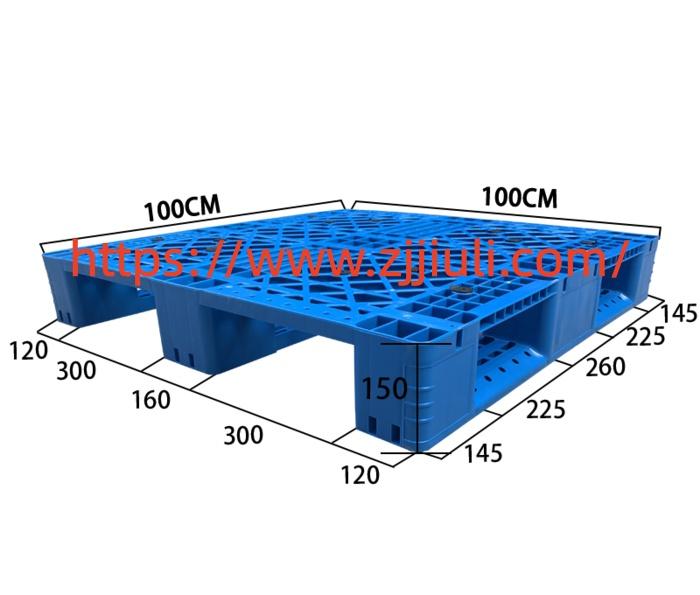
Flat Pallets are an important part of many storage, transportation, and material handling systems, so buyers should evaluate more than appearance or purchase price. Dimensions, load conditions, construction, equipment compatibility, and operating environment can all affect whether a chosen unit fits the intended application. Current buyer guidance also places attention on static, dynamic, and racking load ratings because each condition places different demands on the structure.
The first point to check is dimensional compatibility. A suitable footprint should match the size of the goods, warehouse aisles, transport vehicles, storage locations, and handling equipment. Buyers should also confirm dimensional tolerances rather than relying only on nominal measurements. ISO 6780 covers principal dimensions and tolerances for different pallet configurations and handling applications, making dimensional planning an important part of procurement.
Load requirements deserve careful attention as well. A unit may carry a certain weight while resting on a warehouse floor, but the permitted load can change when it is moved by forklift equipment or supported by rack beams. Buyers should therefore request clear figures for static, dynamic, and racking conditions. The expected weight should include the actual goods, packaging, and any uneven distribution that may occur during handling. Recent industry guidance similarly recommends checking each rating against the real operating situation rather than relying on a single capacity figure.
Material selection is another practical consideration. Common polymer options include HDPE and PP, with their characteristics varying in areas such as impact resistance, temperature performance, chemical exposure, and stiffness. The right choice depends on the working environment rather than a general preference. Cold storage, wet processing areas, manufacturing floors, and export logistics may require different material considerations. Buyers should request material specifications and application guidance when environmental conditions are demanding.
The surface and support structure should also match the goods being handled. A closed surface can provide continuous support for cartons, bags, and smaller packaged items, while an open structure may suit applications where drainage or airflow is useful. Buyers should also check entry design and clearance to ensure compatibility with forklifts, pallet trucks, conveyors, or automated handling equipment. These details can influence daily handling efficiency and reduce problems caused by unsuitable dimensions.
Storage conditions should be reviewed before purchasing. Some operations use floor stacking, while others rely on warehouse racking or automated systems. If rack storage is involved, the buyer should confirm beam spacing, supported areas, expected load weight, and any requirements from the storage system provider. Automation can also require tighter dimensional control because conveyors and automated storage systems depend on consistent physical characteristics.
Hygiene and maintenance may matter when the units are used around food, pharmaceuticals, chemicals, or moisture sensitive products. Buyers can check whether the material and surface design are appropriate for cleaning procedures and whether relevant documentation is available. Reusability, cleaning access, repair considerations, and end of service recycling can also be included in a broader purchasing assessment.
Supplier communication is equally important. Before confirming an order, procurement teams can request drawings, technical specifications, load data, material details, sample units, and testing information. Comparing these details with actual warehouse conditions provides a clearer basis for selection than comparing product photographs or prices alone. ISO also maintains standards covering performance requirements, test selection, and working loads for this product category.
Zhiguang focuses on practical storage and logistics solutions that can be matched with different handling requirements. Buyers can review construction details, dimensions, material options, and application needs with the product team before making a purchasing decision. This approach helps connect the selected design with real working conditions rather than treating every application in the same way. Product information and company details are available at https://www.zjjiuli.com/ where buyers can continue reviewing suitable solutions for their logistics requirements.

 English
 Arabic
 French
 Spanish
 Portuguese
 Deutsch
 Dutch
Dutch
 Italiano
 Russian
 Romaian
 Portuguese (Brazil)
 Greek
Greek
