


Office Furniture Ideas for Comfortable and Well-Planned Workplaces
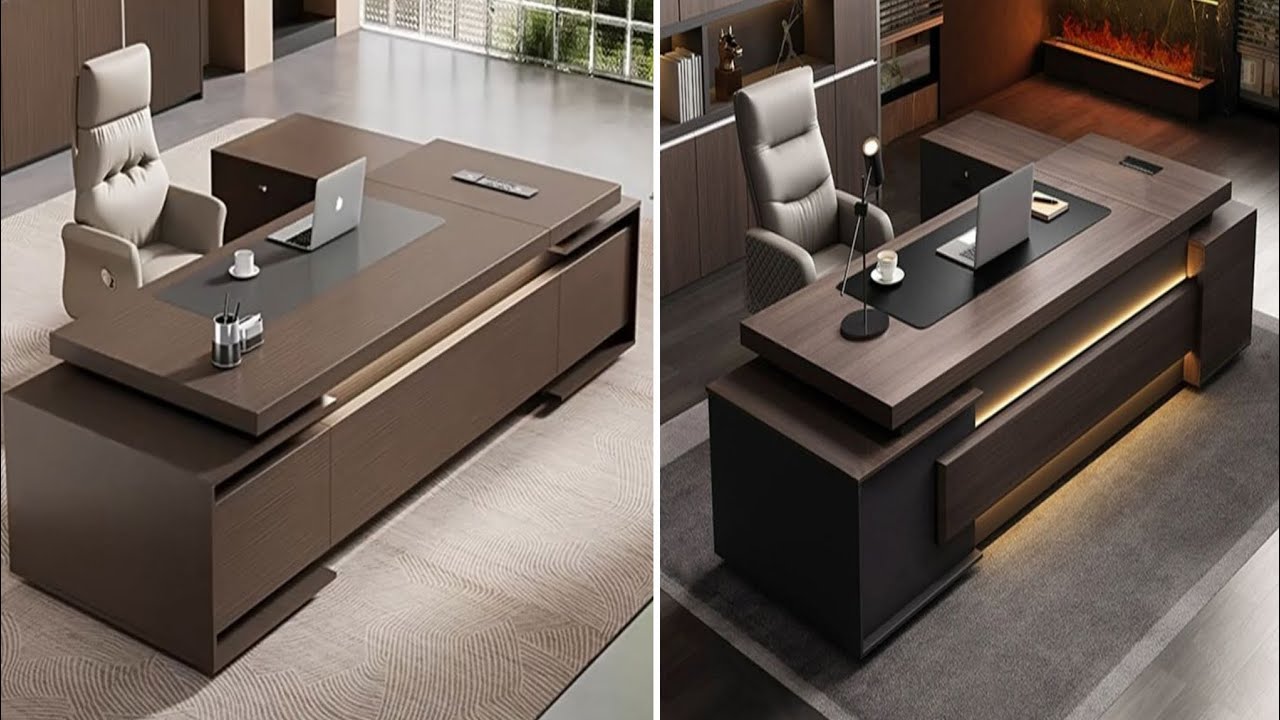
A productive office depends on more than computers, software, and skilled employees. The physical environment also influences how comfortably people work, communicate, organize materials, and move throughout the day. Office Furniture should therefore be selected according to the practical needs of the workplace rather than appearance alone. Desks, chairs, workstations, storage units, conference tables, and reception furniture all contribute to the way an office functions. When these elements are planned together, businesses can create work areas that are easier to use, visually organized, and suitable for different professional activities.
Planning the Layout Before Buying Furniture
One of the most useful steps in office planning is measuring the available space before purchasing anything. Businesses should consider room dimensions, entrances, windows, columns, electrical outlets, walkways, and existing equipment. These details can affect where desks, cabinets, meeting tables, and other items can be placed.
A good layout should allow employees to move freely without furniture blocking important routes. Frequently used equipment should remain accessible, while storage areas can be positioned where they are convenient without occupying valuable working space. Careful planning also helps businesses avoid purchasing oversized furniture that makes a room feel crowded.
Choosing Desks According to Daily Tasks
Different employees may have different workstation requirements. Someone who works primarily on a laptop may need less surface area than an employee who uses multiple monitors, documents, printers, or specialized equipment.
Straight desks can provide a simple solution for individual workstations, while corner and L-shaped designs can offer additional working space. Bench-style arrangements may suit teams that communicate frequently and need to sit close together.
Desk selection should also account for legroom and movement. Employees should have enough space to sit comfortably and access their equipment without constantly shifting items around. The desk should support the work rather than become another limitation.
Making Seating More Comfortable
The office chair is one of the most frequently used pieces of workplace equipment. Employees may remain seated for several hours, so comfort and adjustability should be considered carefully.
A suitable task chair may include adjustable height, supportive back design, movable armrests, and a stable base. Different employees can then make adjustments according to their individual requirements.
Guest and conference chairs have different purposes. Reception seating should be welcoming and easy to maintain, while meeting-room chairs should remain comfortable during longer discussions. Matching every chair to the same design is not necessary if each type performs its intended function effectively.
Making Better Use of Smaller Offices
Limited floor space does not mean a business must sacrifice functionality. Smaller offices can benefit from furniture that performs more than one role or occupies less floor area.
Mobile pedestals can provide storage beside desks and can be moved when the layout changes. Vertical cabinets can make use of wall height instead of consuming additional floor space. Compact meeting tables can create useful discussion areas without requiring a dedicated large conference room.
Furniture placement also matters. Keeping pathways open and avoiding unnecessary furniture can make a compact office feel more comfortable and practical.
Organizing Documents and Supplies
Clutter can quickly reduce the usability of an office. Documents, stationery, files, equipment, and personal belongings need designated storage areas to prevent desks and walkways from becoming overloaded.
Filing cabinets are useful for organized records, while shelves can hold materials that employees need to access regularly. Lockers can be appropriate for personal belongings in shared workplaces.
Storage should be planned according to frequency of use. Everyday supplies can remain near employees, while archived files and rarely used items can be stored farther away. This creates a logical system and reduces unnecessary movement.
Creating Productive Team Areas
Modern workplaces often require areas where employees can communicate and collaborate. These spaces do not always need to be large or formal.
A small table with several comfortable chairs can provide a convenient location for quick discussions. Larger conference tables may be appropriate for client presentations, management meetings, and departmental sessions.
Businesses can also create flexible collaboration zones using movable furniture. This allows the area to be rearranged when different activities require more space. Flexible arrangements are particularly useful for offices where teams frequently change their working patterns.
Supporting Technology at Every Workstation
Technology should be considered when selecting and arranging workplace furniture. Modern employees may use laptops, desktop computers, monitors, phones, charging devices, and other equipment throughout the day.
Cable management is especially important because loose wires can create visual clutter and interfere with movement. Desks with cable openings and suitable management features can help keep connections organized.
Meeting areas may also require access to power and connectivity for laptops and presentation equipment. Planning these requirements during furniture selection can prevent inconvenient changes later.
Considering Material Quality and Maintenance
The material used in workplace furniture affects its appearance, durability, and maintenance requirements. Busy offices often need surfaces that can handle regular use and routine cleaning.
Laminate surfaces can be practical for many workstations, while metal components may provide structural strength. Wood-based finishes can add warmth and a more traditional appearance to executive offices and meeting areas.
Businesses should also consider how easy each item is to maintain. Furniture that can be cleaned without complicated procedures may be more suitable for high-traffic environments. Regular cleaning, proper use, and timely repairs can help preserve furniture over time.
Creating a Professional Reception Area
The reception area serves an important practical and visual purpose. Visitors often encounter this space before seeing the rest of the workplace, so it should remain clean, organized, and comfortable.
A reception desk should provide enough room for computers, telephones, documents, and other essential equipment. Visitor chairs should offer comfortable seating without making the entrance feel overcrowded.
Storage can also be integrated into the reception area to keep paperwork and supplies out of sight. A coordinated combination of finishes can help create a consistent appearance between reception and other office areas.
Supporting Privacy When Needed
Open workplaces can encourage communication, but some employees require quieter areas for confidential conversations or concentrated tasks. Furniture planning can help create a balance between openness and privacy.
Workstations can be positioned to reduce unnecessary distractions, while screens, partitions, or strategically arranged cabinets may help separate different zones. Private meeting rooms can be used for sensitive discussions, interviews, and management conversations.
The objective is not to isolate employees but to provide different types of spaces for different responsibilities.
Choosing Furniture for Executive and Management Areas
Executive offices often require a combination of work surfaces, storage, seating, and meeting space. An executive desk may provide a larger surface for documents and equipment, while additional seating can accommodate visitors.
Storage should be accessible without overwhelming the room. Cabinets, bookshelves, and side units can provide space for important files and materials while supporting a professional appearance.
The furniture should reflect the practical responsibilities of the person using the office. A manager who frequently meets employees may need more visitor seating, while another role may require greater storage or desk space.
Preparing for Future Workplace Changes
Businesses rarely remain exactly the same. Teams grow, departments move, and working arrangements change. Furniture choices should therefore allow reasonable flexibility.
Modular workstations can be rearranged when teams expand. Mobile tables can be moved between rooms, and storage units can be relocated when departments change. Choosing adaptable furniture can make future office adjustments easier.
Businesses should also consider whether furniture can serve multiple departments over its useful life. A flexible product can remain valuable even when the original workplace arrangement changes.
Balancing Appearance With Practical Requirements
Office design should look professional, but appearance should not be the only purchasing factor. A beautiful desk that is too large for the room may create more problems than it solves.
The most useful approach is to balance style, comfort, dimensions, durability, maintenance, and functionality. Finishes can be coordinated across different furniture types to create visual consistency without requiring every item to come from the same collection.
This creates an office that feels intentional while still meeting the everyday requirements of employees and visitors.
Making Furniture Purchasing More Cost-Effective
Businesses should consider long-term value when setting a furniture budget. Initial price is important, but durability, functionality, maintenance, and adaptability can also affect the overall cost.
A practical purchasing process begins by identifying essential requirements. Employee desks, chairs, storage, and meeting facilities may be prioritized before decorative additions.
Comparing dimensions, materials, construction, adjustment features, and intended usage can help buyers understand what they are receiving for their investment. This approach can reduce the risk of replacing unsuitable furniture shortly after installation.
Building a Better Everyday Work Environment
An effective workplace should make ordinary tasks easier. Employees should have enough room to work, suitable seating, convenient storage, and access to the equipment they use regularly.
Office Furniture becomes more valuable when it is selected as part of a complete workplace plan rather than as a collection of individual products. Desk placement, seating, storage, meeting areas, reception furniture, and technology support should work together.
With thoughtful planning, businesses can create an environment that feels organized without becoming rigid. The result can be a workplace that supports individual concentration, team communication, visitor interaction, and future changes.
Conclusion
Furniture planning is an important part of creating a functional and professional office. The right choices can improve organization, support comfortable working positions, make better use of available space, and provide suitable areas for meetings and collaboration. Businesses should consider their current requirements while also allowing room for future changes. Office Furniture from Queens arts and trends can be considered as part of a broader workplace planning approach where usability, appearance, durability, and employee needs are given appropriate attention.

 English
 Arabic
 French
 Spanish
 Portuguese
 Deutsch
 Turkish
 Dutch
Dutch
 Italiano
 Russian
 Romaian
 Portuguese (Brazil)
