


How Dry Needling Helps Relieve Chronic Pain: What to Expect
Living with chronic pain can make everyday activities more difficult. Ongoing muscle discomfort may affect sleep, exercise, work, and normal movement. When pain continues despite changes in activity or other treatment approaches, some people may want to learn about additional physiotherapy techniques.
Dry needling is one technique that may be included in a physiotherapy treatment plan for certain muscle and musculoskeletal conditions. Understanding how the treatment works, what it may help with, and what to expect during a session can help you decide whether it is something to discuss with your physiotherapist.
What Is Dry Needling?
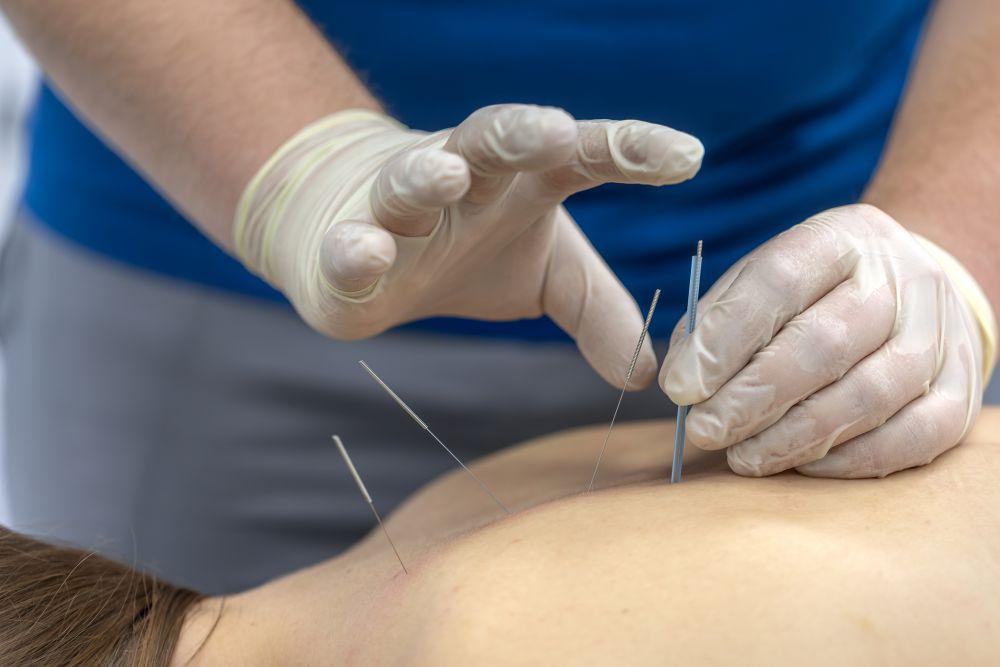
Dry needling is a physiotherapy technique that uses a thin, sterile needle to target selected areas of muscle or soft tissue. The physiotherapist first assesses your symptoms and movement to determine whether the technique may be appropriate.
Unlike acupuncture, dry needling is generally used within a physiotherapy assessment and treatment approach. It may be combined with exercises, manual therapy, stretching, and other physiotherapy techniques.
How Dry Needling Helps Relieve Chronic Pain
People often search for how dry needling helps relieve chronic pain because persistent pain may involve several contributing factors, including muscle tension, sensitivity, changes in movement, and irritated tissues.
When a needle is placed into a selected muscle, it may produce a local response in the treated area. Depending on the condition, this may influence muscle tension and pain sensitivity.
The response varies between individuals. For people with chronic pain, dry needling is generally considered one part of a wider treatment plan rather than a standalone solution.
What Is IMS and How Is It Related to Dry Needling?
Intramuscular Stimulation, or IMS, is a technique that falls within the broader category of dry needling. It involves inserting fine needles into selected muscles based on an individual's assessment.
A physiotherapist may consider IMS when certain muscles appear to be contributing to ongoing pain, tightness, or movement difficulties.
The terms IMS and dry needling are sometimes used interchangeably, although specific techniques and approaches may differ between practitioners.
What Types of Pain May Be Considered?
Dry needling may be considered for certain musculoskeletal conditions involving muscles and soft tissues. Depending on the assessment, it may be used alongside physiotherapy for concerns such as:
-
Persistent muscle tension
-
Trigger points
-
Neck and shoulder pain
-
Back pain
-
Hip and leg discomfort
-
Certain sports-related muscle conditions
-
Some chronic musculoskeletal pain conditions
A physiotherapy assessment is important because the same type of pain may have different underlying causes.
What Happens During a Dry Needling Session?
Your physiotherapist will usually begin by discussing your symptoms, medical history, and movement concerns. They may examine the affected area and identify muscles or tissues that may be contributing to your symptoms.
If dry needling is considered appropriate, the physiotherapist will explain the procedure before treatment begins.
A thin needle is inserted into selected muscle tissue. You may feel a brief prick, pressure, or a muscle twitch during the procedure. The number of needles and treatment areas will depend on your individual assessment.
Does Dry Needling Hurt?
Everyone experiences dry needling differently. Because the needles are very thin, insertion may cause a brief sensation. Some people may notice a twitching or aching feeling when a muscle responds to the needle.
Mild soreness or tenderness may occur after treatment. Your physiotherapist can explain what sensations are expected and provide guidance based on the area treated.
What Should You Expect After Treatment?
Some people may experience temporary muscle soreness following dry needling. The treated area may feel similar to a muscle that has been exercised.
Your physiotherapist may recommend gentle movement, exercises, or other care following the session. It is useful to let your physiotherapist know how you respond to treatment so that future sessions can be adjusted if needed.
Can Dry Needling Be Used With Other Physiotherapy Treatments?
Yes. Dry needling is often used alongside other physiotherapy approaches. Depending on your needs, your treatment plan may include:
-
Therapeutic exercises
-
Mobility exercises
-
Stretching
-
Manual therapy
-
Movement education
-
Activity modifications
Using different approaches may help address several factors associated with your pain and movement.
Who May Not Be Suitable for Dry Needling?
Dry needling is not appropriate for everyone. Certain medical conditions, medications, health circumstances, or areas of the body may require additional consideration before treatment.
Your physiotherapist should review your medical history and current concerns before using dry needling. If you have questions about whether the technique is suitable for you, discuss them during your assessment.
When Should You Talk to a Physiotherapist About Chronic Pain?
If pain has continued for several weeks or is interfering with your daily activities, it may be useful to have your symptoms assessed. A physiotherapist can look at your movement, muscle function, activities, and other factors that may be contributing to your discomfort.
Dry needling may be one option discussed during this process. The appropriate treatment approach depends on your symptoms and individual assessment.
Understanding Your Options for Chronic Pain
Chronic pain can have different contributing factors, so treatment may involve more than one approach. Dry needling physiotherapy may be considered for certain muscle-related pain and tension concerns, while exercises, education, and other physiotherapy techniques may also form part of care.
If you are considering IMS & Dry Needling, talking with a physiotherapist can help you understand how the technique works and whether it may be appropriate for your specific concerns.

 English
 Arabic
 French
 Spanish
 Portuguese
 Deutsch
 Turkish
 Dutch
Dutch
 Italiano
 Romaian
 Portuguese (Brazil)
 Greek
Greek
