


Materials, Technology and Design in Modern Plasma Cutting Systems
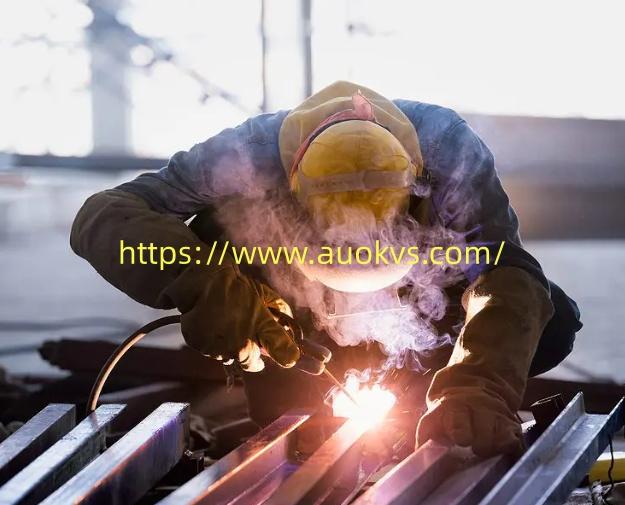
In professional metalworking, cutting equipment needs to combine practical operation with a structure that can fit naturally into the surrounding workflow. Industrial Plasma Cutting Equipment can support applications such as fabrication, maintenance, repair, structural metal processing, and other conductive-metal cutting tasks. Taizhou ChuangLi Electronic Technology Co., Ltd. specializes in welding and plasma cutting equipment for household and industrial applications, with product development, testing, and OEM/ODM capabilities forming part of its manufacturing approach.
Material selection is one of the first areas buyers can examine when evaluating a plasma cutting system. The outer enclosure protects internal electrical components while also affecting handling, ventilation, cleaning, and visual presentation. A practical housing should provide a suitable balance between structural protection and access to controls and service areas. Surface treatment can also influence how easily the equipment fits into a professional workshop environment.
Internal construction deserves similar attention. A plasma cutting machine brings together power electronics, control boards, cooling elements, electrical connections, protective components, and airflow structures. The arrangement of these parts can influence maintenance accessibility and the overall organization of the equipment. For industrial users, a clear internal structure can make routine inspection more manageable for technicians.
The cutting torch is another important material and design consideration. The torch forms the working connection between the electrical system, airflow, and metal workpiece. Its electrode, nozzle, protective components, and related parts need to work together as part of the cutting process. Consumables are particularly important because they interact directly with the plasma arc and may require inspection or replacement during regular equipment use.
When selecting a machine, buyers can begin by identifying the actual work it needs to perform. Metal fabrication, automotive repair, steel structure processing, equipment maintenance, signage production, and workshop projects can involve different cutting routines. AUOKVS identifies automotive sheet-metal processing, steel structure fabrication, metal component manufacturing, advertising lettering, and repair-related work among its application scenarios.
Material compatibility should also be considered early in the selection process. Plasma cutting is designed for electrically conductive metals, including suitable forms of carbon steel, stainless steel, aluminum, copper, and related materials. The actual choice should depend on the workpieces being processed and the surrounding operating conditions rather than on a general assumption that every plasma cutter is suitable for every metalworking task.
The working environment can further shape purchasing decisions. A fixed fabrication workshop may place greater emphasis on organized connections, accessible controls, and serviceability, while a maintenance team may value easier equipment movement and straightforward setup. Carrying structures, cable arrangement, torch storage, ventilation openings, and connector placement can all affect the daily handling experience.
Function and technology are closely connected in plasma cutting. The process uses an electrically generated plasma arc and a gas flow to melt and remove conductive metal along the intended cutting path. Inside the machine, electrical components create and regulate the arc, while the control system manages the selected operating functions. Cooling and protection structures help support the internal components during normal use.
Airflow is an important part of the cutting process as well. Plasma formation depends on an appropriate gas path, while airflow also helps remove molten material from the cutting area. This makes the relationship between the torch, gas supply, and machine control important when considering overall system design. AUOKVS describes plasma cutting as a thermal process using an ionized gas arc and controlled airflow for processing conductive metals.
Control technology directly influences how operators interact with equipment. A clear control panel can make it easier to understand operating conditions and adjust the machine according to the task. Logical labeling, accessible controls, readable indicators, and organized connections can reduce unnecessary steps during routine cutting work.
For professional users, the interface should also remain practical in a workshop environment. Operators may wear protective equipment or work in areas where dust, noise, and other distractions are present. A straightforward control arrangement can therefore contribute to a more manageable working experience without adding unnecessary complexity to the machine.
Cooling design is another technical area worth considering. Electrical and power components generate heat during operation, so ventilation openings, fans, internal spacing, and component positioning can work together to manage heat. The cooling structure should also be considered from a maintenance perspective because ventilation areas may require cleaning as part of routine equipment care.
Protection functions contribute to both equipment management and user experience. Plasma cutting involves electrical energy, intense heat, bright light, and airborne particles, so appropriate protective structures and operating procedures are important. A well-designed machine incorporates protection into the overall system rather than treating it as an isolated feature.
Maintenance access should be evaluated before purchase. Torch components, cables, connectors, ventilation areas, and internal electrical assemblies may require inspection during the service life of the machine. A practical structure can make these areas easier for technicians to reach. Clear documentation and access to compatible replacement components can further support maintenance planning.
Consumable management is particularly relevant to plasma cutting equipment. Electrodes, nozzles, and other torch components experience direct exposure to the cutting process. Their condition can influence the cutting workflow, so convenient inspection and replacement are useful from a user-experience perspective. AUOKVS also supplies plasma cutting consumables and torch-related components, supporting the relationship between the cutting machine and its supporting parts.
User experience extends beyond the operator. Engineers need to integrate the machine into a larger production system, maintenance teams need practical access to service areas, and workshop managers need equipment that fits naturally into their existing processes. Considering these different users can help manufacturers and buyers evaluate a machine more comprehensively.
Portability and workplace organization can also affect everyday use. Some cutting equipment remains in a dedicated fabrication area, while other machines may move between repair stations or project locations. A practical enclosure, organized cable arrangement, accessible connections, and manageable controls can make the equipment easier to reposition and use in different work situations.
Design and appearance have an important role in professional equipment. Housing shape, surface finish, color, logo placement, control-panel arrangement, ventilation openings, and labeling all contribute to how a machine is perceived. A well-organized exterior can also make the controls and connections easier to understand.
Appearance becomes especially relevant for OEM and private-label projects. ChuangLi states that it supports OEM and ODM development and can develop products according to customer drawings or samples. Its company information also highlights customization and the ability to support different shapes, specifications, and materials.
For distributors and equipment brands, a consistent appearance across a product range can make machines easier to recognize. Related housing styles, labeling systems, control layouts, and packaging can create a more coherent equipment family. At the same time, visual design should remain connected to practical engineering, with ventilation, controls, connections, and service access positioned according to their functional roles.
Supplier capability is another consideration for industrial buyers. Developing cutting equipment may involve research and development, prototype evaluation, production, testing, packaging, and technical support. ChuangLi states that it operates its own laboratory and uses industry-standard testing equipment for product quality control. The company also describes an R&D team capable of developing products based on customer drawings or samples.
Communication can be especially important when equipment is intended for different markets. Buyers may have requirements concerning branding, product appearance, controls, packaging, accessories, documentation, or application-specific configurations. Discussing these aspects during product development can help establish a clearer relationship between the machine's technical structure and the customer's market needs.
For equipment users, the selection process can therefore involve several connected considerations. Materials influence housing and component construction, torch design affects interaction with the workpiece, control technology shapes operation, cooling supports equipment management, maintenance access affects serviceability, and exterior design contributes to the overall user experience.
Taizhou ChuangLi Electronic Technology Co., Ltd. develops plasma cutting machines alongside manual arc welders, gas-shielded welding machines, TIG welders, and other welding equipment for household and industrial applications. The company also describes OEM and ODM support, laboratory testing, customized development, and production capabilities, providing different possibilities for distributors, brands, and industrial equipment buyers.
For more information about Taizhou ChuangLi Electronic Technology Co., Ltd., its plasma cutting machines, related welding equipment, and product solutions, visit https://www.auokvs.com/product/

 English
 Arabic
 French
 Spanish
 Portuguese
 Deutsch
 Turkish
 Dutch
Dutch
 Italiano
 Russian
 Romaian
 Greek
Greek
