


Rishikesh 200 Hour Yoga Teacher Training: Your Path to Authentic Yoga Education
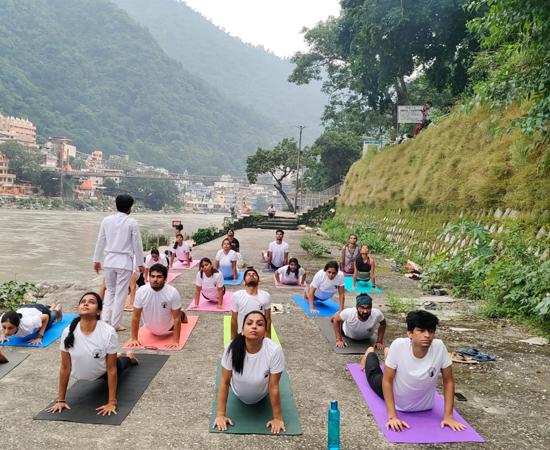
Yoga has become a part of modern life for millions of people around the world. While many people begin yoga to improve flexibility, strength, or manage everyday stress, the practice offers a much deeper journey. It introduces students to mindful movement, conscious breathing, meditation, self-awareness, and ancient yogic philosophy. For those who want to understand yoga beyond regular classes, a teacher training program can provide a structured and immersive learning experience.
Among the many destinations associated with yoga, Rishikesh holds a unique place. Located in the Himalayan foothills beside the sacred Ganges River, the city has attracted yoga practitioners, teachers, and spiritual seekers for decades. A Rishikesh 200 Hour Yoga Teacher Training program can therefore be an opportunity not only to study yoga systematically but also to experience it in an environment deeply connected with the tradition.
Understanding 200 Hour Yoga Teacher Training
A 200 Hour yoga teacher training course is generally designed as a foundational program for people who want to develop a deeper understanding of yoga. The course is suitable for beginners as well as regular practitioners who wish to build a stronger foundation before progressing to advanced studies.
The word "200 Hour" refers to the approximate amount of structured training included in the program. However, the value of such a course is not simply measured by the number of classroom hours. Students are introduced to several dimensions of yoga, allowing them to understand how physical practice connects with breath, concentration, philosophy, and teaching methodology.
Why Choose Rishikesh for Yoga Teacher Training?
Rishikesh is widely known as one of India's important yoga destinations. The atmosphere of the city creates a distinctive setting for people who want to spend several weeks focusing on yoga.
The natural surroundings can also encourage students to slow down and become more attentive to their practice. The presence of the Ganges, nearby Himalayan landscapes, temples, ashrams, and traditional spiritual spaces contributes to an environment where yoga can be explored beyond the boundaries of a conventional fitness studio.
For international students, studying in Rishikesh can also provide an opportunity to experience aspects of Indian culture and traditional approaches to yoga. Instead of treating yoga only as physical exercise, students can learn about the broader principles that have shaped the practice over generations.
What You Can Learn During the Course
A well-structured 200 Hour program usually covers several interconnected areas of yoga education.
1. Yoga Asanas
Asana practice forms an important part of most teacher training programs. Students learn traditional postures while developing awareness of alignment, stability, breathing, and body mechanics.
Rather than simply learning how to perform a posture, students can explore why a particular pose is practiced, how it may be modified, and how it can be taught safely to different individuals.
Standing, seated, balancing, twisting, forward-bending, and back-bending postures may all be included in the curriculum.
2. Pranayama
Breathing practices are another important element of traditional yoga education. Pranayama teaches students to develop greater awareness and control of the breath.
During training, students may study different breathing techniques and learn about their traditional purposes, appropriate applications, and precautions. Understanding breathing practices can help future teachers guide students more responsibly during yoga sessions.
3. Meditation
Meditation introduces students to the quieter side of yoga. Through different concentration and mindfulness practices, students learn how to observe thoughts, sensations, and emotions without immediately reacting to them.
Regular meditation practice can also help students understand the relationship between attention and inner awareness. This personal experience can become useful when learning how to introduce meditation to future yoga students.
4. Yoga Philosophy
Yoga has a philosophical foundation that extends far beyond physical postures. A teacher training program may introduce concepts from classical yoga texts and traditions, including the Yoga Sutras and the eight-limbed path of yoga.
5. Anatomy and Alignment
Understanding basic anatomy is particularly important for anyone interested in teaching yoga. Students learn how bones, muscles, joints, and movement patterns relate to different yoga postures.
6. Teaching Methodology
Teaching methodology may include voice projection, demonstrations, verbal cues, sequencing, class planning, observation skills, and modifications. Practical teaching sessions allow students to gradually become more comfortable guiding others.
Developing a Personal Yoga Practice
One of the most valuable parts of teacher training is the opportunity to develop a consistent personal practice. Before teaching others, students need to understand their own bodies, habits, strengths, and limitations.
Living and studying in a dedicated yoga environment can make it easier to establish a daily routine. Early morning practices, meditation, classroom learning, and evening reflection can create a structured lifestyle that encourages discipline.
Who Can Join a 200 Hour Yoga Teacher Training Course?
A 200 Hour program can be suitable for a wide range of students. Beginners who have a genuine interest in learning yoga may join, while experienced practitioners can use the course to organize and deepen their existing knowledge.
You do not necessarily need to be extremely flexible or capable of performing advanced postures before beginning. A willingness to learn, consistent practice, openness to feedback, and respect for the tradition are often more valuable starting points.
People may choose teacher training for different reasons. Some want to become professional yoga instructors, while others simply want a deeper personal understanding of yoga. The course can also be a meaningful experience for people looking to introduce greater discipline and mindfulness into their everyday lives.
Choosing the Right Yoga School
Selecting the right training school requires careful consideration. Students should look beyond promotional claims and examine the actual course structure.
Important factors may include the experience of instructors, curriculum, daily schedule, class size, accommodation, food arrangements, teaching approach, practical sessions, and certification details.
It is also useful to understand exactly what is included in the course fee and what expenses may be separate. Reading recent student experiences can provide additional insight into what life at the school is actually like.

 English
 French
 Spanish
 Portuguese
 Deutsch
 Turkish
 Dutch
 Italiano
 Russian
 Romaian
 Portuguese (Brazil)
 Greek
