


Sleeve Gastrectomy Versus Gastric Bypass Surgery
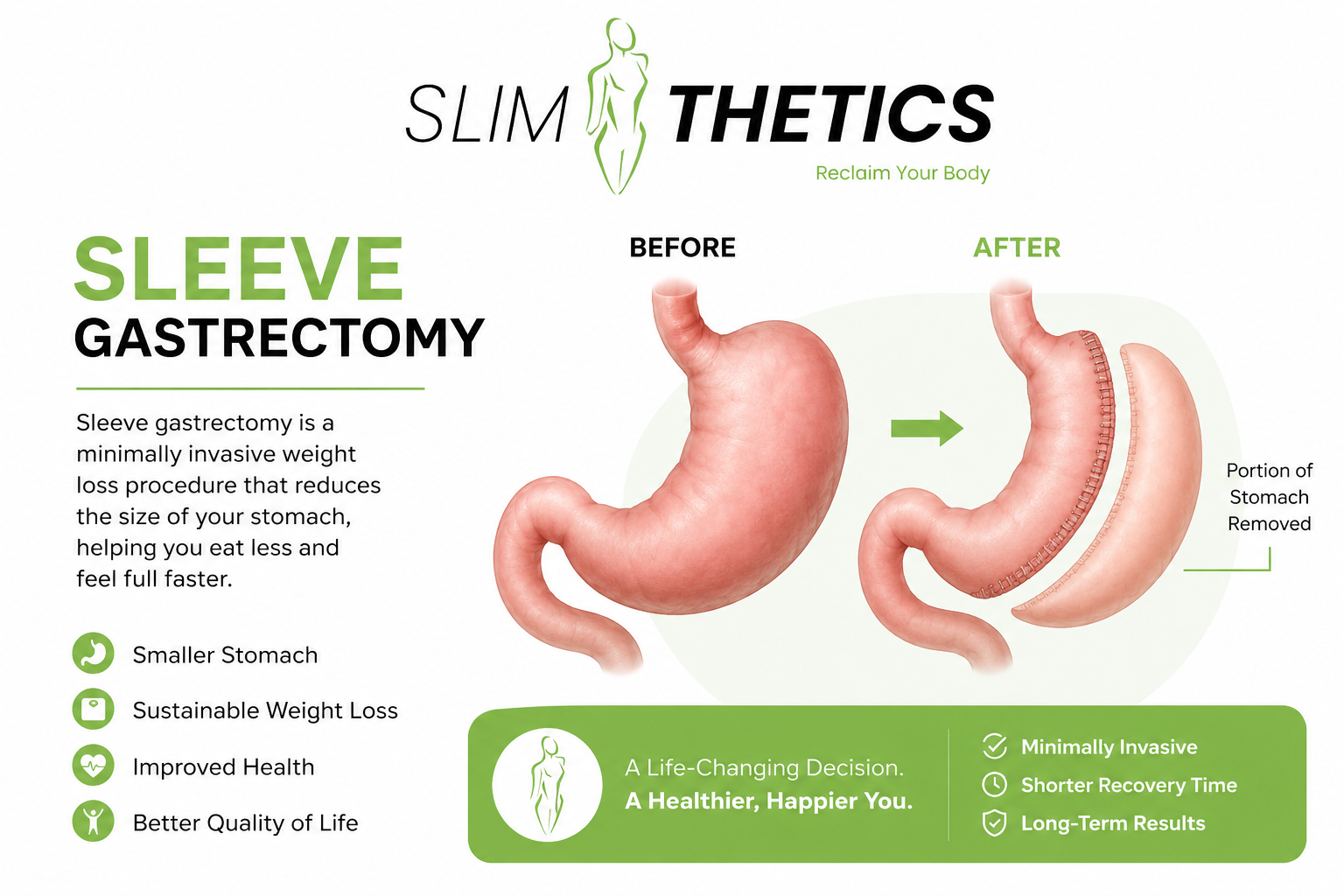
Choosing a weight loss surgery can be an important decision for people living with obesity who have not achieved sustainable results through lifestyle changes alone. Two commonly performed bariatric procedures are sleeve gastrectomy and gastric bypass. Although both surgeries can produce significant weight loss, they work differently and may suit different patients depending on their health, weight loss goals, eating patterns, and medical conditions.
For people considering Sleeve gastrectomy in Islamabad, understanding how sleeve surgery compares with gastric bypass can make discussions with a qualified bariatric surgeon more productive. Both procedures require careful medical assessment and long term lifestyle changes. The right procedure is not determined by weight alone but by a patient's overall health, medical history, BMI, nutritional needs, and individual circumstances.
What Is Sleeve Gastrectomy
Sleeve gastrectomy is a surgical weight loss procedure that reduces the size of the stomach. During the operation, a large portion of the stomach is removed, leaving a narrow stomach shaped somewhat like a sleeve or tube.
How Sleeve Gastrectomy Works
The procedure supports weight loss through several important changes:
-
The smaller stomach holds less food at one time.
-
Smaller portions can create a feeling of fullness sooner.
-
Changes in stomach hormones can influence hunger and appetite.
-
The digestive tract remains connected in its normal pathway.
-
Nutrient absorption is generally less affected than with gastric bypass.
Because the stomach is permanently reduced, patients need to develop new eating habits and follow their surgical team's dietary recommendations after the procedure.
What Is Gastric Bypass Surgery
Gastric bypass is another established bariatric surgery that changes both stomach capacity and the pathway food follows through the digestive system. In a Roux en Y gastric bypass, the surgeon creates a small stomach pouch and connects it to a lower section of the small intestine.
How Gastric Bypass Works
Gastric bypass can support weight loss through several mechanisms:
-
The newly created stomach pouch limits meal size.
-
Food bypasses part of the small intestine.
-
Changes in gut hormones can influence appetite and metabolism.
-
Some calorie and nutrient absorption is reduced.
-
The procedure can have substantial metabolic effects.
Because gastric bypass changes intestinal anatomy, patients require ongoing attention to nutrition, vitamins, and mineral supplementation.
Sleeve Gastrectomy Versus Gastric Bypass
Although both procedures are designed to help with obesity and related health conditions, they are not identical. The major differences involve stomach size, intestinal changes, nutrient absorption, potential complications, and the way each surgery affects digestion.
Difference in Surgical Approach
Sleeve gastrectomy primarily involves the stomach, while gastric bypass involves both the stomach and small intestine.
-
Sleeve gastrectomy removes part of the stomach.
-
Gastric bypass creates a smaller stomach pouch.
-
Gastric bypass also reroutes the digestive tract.
-
Sleeve gastrectomy does not intentionally bypass the small intestine.
-
Both procedures are commonly performed using minimally invasive techniques when appropriate.
Difference in Weight Loss
Both sleeve gastrectomy and gastric bypass can lead to substantial weight loss, but individual results vary considerably. Weight loss depends on factors such as starting weight, adherence to dietary recommendations, physical activity, metabolic health, and long term follow up.
What Influences Weight Loss Results
Patients should consider several factors rather than focusing only on an expected number on the scale:
-
Starting BMI and overall health
-
Eating habits before and after surgery
-
Physical activity
-
Follow up with the bariatric team
-
Protein and nutritional intake
-
Long term adherence to lifestyle recommendations
A surgeon can discuss expected outcomes based on the patient's individual circumstances rather than relying on generalized results.
Difference in Appetite Control
Both procedures can affect appetite, but they do so through somewhat different mechanisms. Sleeve gastrectomy removes much of the stomach tissue involved in producing ghrelin, a hormone associated with hunger. Gastric bypass also causes hormonal and digestive changes that can influence appetite and feelings of fullness.
Appetite Changes After Surgery
Patients may notice:
-
Earlier feelings of fullness
-
Reduced meal portions
-
Changes in hunger
-
Improved control over food intake
-
Greater awareness of eating habits
However, surgery does not eliminate the need for healthy food choices. Long term results depend partly on establishing sustainable eating patterns.
Sleeve Gastrectomy and Gastric Bypass for Diabetes
Bariatric surgery can have important metabolic effects in people with obesity and type 2 diabetes. Gastric bypass has traditionally been associated with significant metabolic improvements, while sleeve gastrectomy can also improve blood glucose control and other obesity related conditions.
Factors Doctors Consider
A bariatric team may consider:
-
Duration of diabetes
-
Current blood glucose control
-
Diabetes medications
-
BMI
-
Other metabolic conditions
-
Overall surgical risk
-
Previous abdominal surgery
The choice between procedures should therefore be individualized rather than based on diabetes alone.
Sleeve Gastrectomy and Acid Reflux
Acid reflux is an important consideration when comparing these procedures. Some patients can experience new or worsening reflux symptoms after sleeve gastrectomy, while gastric bypass can often improve reflux in appropriate patients.
Why Reflux Matters
Before recommending a procedure, a surgeon may evaluate:
-
Existing heartburn symptoms
-
History of gastroesophageal reflux disease
-
Hiatal hernia
-
Previous reflux treatment
-
Results of relevant investigations
Patients with significant reflux should discuss this issue specifically during their bariatric consultation.
Nutritional Differences Between the Procedures
Nutrition is an important part of life after either surgery. However, gastric bypass generally requires particularly careful monitoring because food bypasses a section of the small intestine.
Nutritional Care After Sleeve Gastrectomy
After sleeve surgery, patients may need:
-
Adequate protein intake
-
Prescribed vitamins and minerals
-
Regular hydration
-
Smaller meals
-
Gradual dietary progression
-
Periodic nutritional monitoring
Nutritional Care After Gastric Bypass
Gastric bypass patients generally require similarly structured nutritional care, with additional attention to potential vitamin and mineral deficiencies caused by altered nutrient absorption.
-
Iron levels may need monitoring.
-
Vitamin B12 may require supplementation.
-
Calcium and vitamin D intake are important.
-
Folate and other nutrients may need assessment.
-
Long term follow up is essential.
Recovery After Sleeve Gastrectomy
Recovery varies from person to person. Many patients gradually progress from liquids to soft foods and then to regular healthy foods according to their surgeon's instructions.
Typical Recovery Priorities
Patients are generally encouraged to focus on:
-
Following the prescribed diet
-
Staying adequately hydrated
-
Walking as recommended
-
Avoiding heavy lifting until cleared
-
Taking prescribed medications and supplements
-
Attending follow up appointments
The exact recovery plan should always come from the treating surgical team.
Recovery After Gastric Bypass
Gastric bypass recovery also involves gradual dietary progression and careful monitoring. Because the digestive system has been surgically rerouted, patients need to understand their long term nutritional responsibilities.
Important Recovery Habits
A successful recovery may involve:
-
Eating slowly
-
Chewing food thoroughly
-
Following portion recommendations
-
Prioritizing protein
-
Drinking fluids according to medical instructions
-
Taking recommended supplements
-
Maintaining regular medical follow up
Risks and Potential Complications
Like all major surgical procedures, both sleeve gastrectomy and gastric bypass carry potential risks. The level of risk depends on the patient's health, surgical factors, and other individual circumstances.
Possible Risks of Sleeve Gastrectomy
Potential complications may include:
-
Bleeding
-
Infection
-
Leakage
-
Blood clots
-
Narrowing or stricture
-
Acid reflux
-
Nutritional deficiencies
Possible Risks of Gastric Bypass
Potential complications may include:
-
Bleeding
-
Infection
-
Leakage
-
Blood clots
-
Ulcers
-
Bowel obstruction
-
Nutritional deficiencies
-
Dumping syndrome
Patients should receive a personalized explanation of potential risks before deciding on surgery.
Who May Be Considered for Sleeve Gastrectomy
Sleeve gastrectomy may be considered for adults with obesity who meet established medical criteria for metabolic or bariatric surgery. Eligibility is not based on BMI alone.
Factors Used to Assess Eligibility
A bariatric team may review:
-
BMI
-
Obesity related medical conditions
-
Previous weight loss attempts
-
Eating patterns
-
Medical history
-
Medications
-
Psychological readiness
-
Ability to participate in long term follow up
A complete assessment helps determine whether surgery is appropriate and which procedure may be most suitable.
Who May Be Considered for Gastric Bypass
Gastric bypass may also be considered for patients who meet appropriate criteria for bariatric surgery. It can be particularly relevant when metabolic disease or significant reflux is part of the clinical picture.
Individual Assessment Is Essential
The decision may involve:
-
Weight and BMI
-
Type 2 diabetes
-
Reflux symptoms
-
Previous bariatric surgery
-
Nutritional status
-
Surgical history
-
Long term health goals
There is no single bariatric procedure that is appropriate for every patient.
Which Procedure Should You Choose
The comparison between sleeve gastrectomy and gastric bypass should focus on the patient's individual medical needs rather than simply asking which procedure produces more weight loss.
Questions to Discuss With Your Surgeon
Before making a decision, consider asking:
-
Which procedure is appropriate for my BMI and health profile
-
Do I have reflux that could affect the choice
-
How could surgery affect my diabetes
-
What dietary changes will I need
-
What supplements will I need long term
-
What complications should I understand
-
How long will follow up continue
-
What results can reasonably be expected in my situation
A qualified bariatric surgeon can explain the advantages, limitations, risks, and expected lifestyle changes associated with each option.
Life After Bariatric Surgery
Neither sleeve gastrectomy nor gastric bypass should be viewed as a standalone solution. Surgery is part of a comprehensive weight management approach that includes nutrition, physical activity, behavioral changes, and medical follow up.
Building Sustainable Habits
Long term success may be supported by:
-
Eating nutrient dense foods
-
Prioritizing protein
-
Staying hydrated
-
Exercising regularly
-
Attending follow up appointments
-
Taking recommended supplements
-
Monitoring weight and nutritional health
-
Seeking professional support when challenges arise
These habits can help patients adapt to the physical and lifestyle changes that follow bariatric surgery.
Sleeve Gastrectomy Versus Gastric Bypass in Islamabad
People researching bariatric treatment locally may find a range of surgical options and should focus on qualified medical evaluation rather than choosing a procedure based solely on advertised outcomes or cost. sleeve gastrectomy in Islamabad can be discussed as part of a complete bariatric assessment that considers the patient's medical history, BMI, obesity related conditions, nutritional requirements, and long term goals.
What to Look for in a Bariatric Clinic
When evaluating a bariatric service, consider:
-
Qualified and experienced bariatric surgeons
-
Proper preoperative assessment
-
Anesthesia and hospital support
-
Nutrition counseling
-
Postoperative monitoring
-
Management of potential complications
-
Long term follow up
-
Clear communication about costs and expectations
Why Professional Follow Up Matters
Bariatric surgery changes how a person eats and, in the case of gastric bypass, how the digestive system processes food. Regular follow up allows healthcare professionals to monitor recovery, nutritional status, weight changes, and obesity related health conditions.
Ongoing Support Can Include
-
Dietary guidance
-
Weight monitoring
-
Nutritional testing
-
Vitamin and mineral management
-
Exercise guidance
-
Medical reviews
-
Support for weight loss plateaus or other challenges
Conclusion
Sleeve gastrectomy and gastric bypass are established bariatric procedures with different surgical approaches and effects on digestion. Sleeve gastrectomy reduces stomach capacity without rerouting the intestines, while gastric bypass creates a small stomach pouch and changes the route food takes through the digestive system. Factors such as obesity related conditions, reflux, diabetes, nutritional considerations, previous surgery, and individual health goals can all influence the treatment discussion.
For individuals exploring sleeve gastrectomy in Islamabad, a detailed consultation with an experienced bariatric team is an important step toward understanding which treatment may be appropriate. At Slimthetics Clinic, patients can receive structured guidance through the bariatric journey, from assessment and procedure planning to nutrition advice and postoperative follow up, with care focused on informed decisions and sustainable weight management.

 English
 Arabic
 French
 Spanish
 Portuguese
 Deutsch
 Turkish
 Italiano
 Russian
 Romaian
 Portuguese (Brazil)
 Greek
Greek
