


How Businesses Can Manage Diesel Consumption and Avoid Fuel Shortages
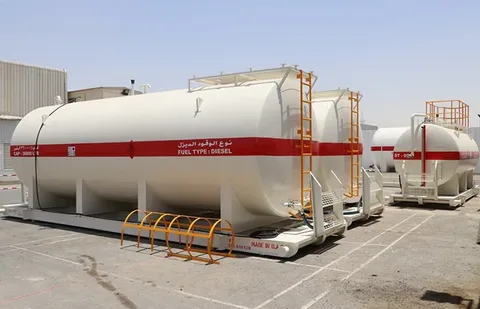
Working with a reliable diesel supplier Dubai is only one part of effective fuel management. Businesses also need to understand how much diesel they consume, when they need it and how much stock should be available at their facilities. Construction companies, transport fleets, industrial operations and businesses using generators can face serious interruptions when fuel runs out unexpectedly.
A simple fuel management plan can help businesses monitor consumption, schedule deliveries and identify changes in demand before they become a problem. Good planning also makes it easier to control purchasing and avoid unnecessary emergency orders.
Understand Where Your Diesel Is Being Used
The first step in managing diesel consumption is identifying the equipment that uses the fuel. A business may have vehicles, generators, forklifts, construction machinery or other diesel powered equipment operating at the same time.
Different equipment can consume different amounts of fuel. A generator running for several hours each day will have different requirements from a delivery vehicle that travels a fixed distance.
Keeping separate records for major fuel consuming equipment can help businesses understand their actual usage. Over time, these records can show which machines consume the most fuel and where changes may be needed.
Track Daily and Monthly Consumption
Businesses should maintain basic fuel records rather than relying on estimates. Recording the quantity delivered and the amount used over a specific period gives managers a clearer picture of consumption.
For example, a construction company can compare weekly fuel usage across different project stages. If consumption suddenly increases without a clear reason, the business can investigate equipment usage, operating hours or possible fuel losses.
Digital fuel meters and real time invoicing can also make tracking easier. Fuel suppliers that use accurate metering systems can provide clearer information about the quantity delivered, helping businesses maintain more reliable records.
Set a Minimum Fuel Level
One practical way to avoid shortages is to establish a minimum stock level. Once the available fuel reaches that level, the next delivery can be arranged instead of waiting until the tank is almost empty.
The right minimum level depends on several factors, including daily consumption, storage capacity, delivery time and the importance of the equipment being powered.
A business with high fuel consumption may need a larger reserve than a company with occasional diesel requirements. The key is to establish a level that provides enough time to arrange the next delivery.
Plan Deliveries Around Actual Demand
Fuel deliveries should match the business's operating schedule. Ordering too early can result in unnecessary stock, while ordering too late can create pressure and increase the possibility of interruptions.
Businesses with predictable consumption can arrange scheduled deliveries with their supplier. Those with changing requirements may benefit from a flexible arrangement that allows additional quantities during periods of higher demand.
Commercial diesel suppliers in the UAE commonly provide scheduled and on-site delivery options for businesses that require regular fuel supplies.
Prepare for Changes in Fuel Demand
Fuel consumption does not always remain constant. Construction projects can enter periods of higher machinery usage, transport companies may add vehicles to their fleet, and generators may operate for longer during periods of increased power demand.
Businesses should review their fuel requirements whenever operations change. A new project, additional machinery or longer working hours can quickly increase diesel consumption.
Updating the delivery schedule before these changes take effect can reduce the risk of running short.
Choose a Supplier That Can Support Your Schedule
Selecting suitable diesel fuel suppliers in UAE involves more than checking the quoted fuel price. Businesses should also consider delivery capacity, response times, fuel measurement, product quality and the supplier's ability to handle regular orders.
On-site delivery can be particularly useful for construction sites and industrial facilities because fuel can be delivered directly to the required location. This can reduce the need to move equipment simply for refueling.
Al Faraji Oil describes on-site delivery, forward booking, accurate metering and vehicle tracking among its fuel supply services.
Keep Emergency Requirements in Mind
Even with careful planning, unexpected situations can occur. A sudden increase in equipment use or an operational change may cause fuel consumption to rise faster than expected.
For this reason, businesses should know how their supplier handles urgent requirements before an emergency occurs. Understanding available delivery options and communication procedures can make it easier to respond when additional fuel is needed.
This is particularly important for businesses where equipment downtime can affect project schedules or transportation commitments.
Review Equipment Performance
Fuel management should also include the equipment itself. A sudden increase in diesel consumption may indicate that machinery is operating for longer hours, carrying heavier loads or requiring maintenance.
Regular maintenance can help businesses identify operational issues that may contribute to unusual fuel usage. Keeping maintenance and fuel records together can provide a clearer picture of equipment performance.
For generators and heavy machinery, businesses should follow the manufacturer's maintenance recommendations and use the appropriate fuel and lubricants.
Use Accurate Delivery Records
Every fuel delivery should be recorded properly. The record can include the delivery date, quantity received, location and equipment or tank supplied.
Accurate delivery information makes it easier to compare purchased fuel with actual consumption. It can also help identify discrepancies and improve monthly budgeting.
Fuel suppliers using metered dispensing and documented delivery procedures can make this process easier for commercial customers. Al Faraji Oil states that its systems include accurate metering and delivery tracking.
Build a Practical Fuel Management Routine
Businesses do not need complicated systems to manage diesel effectively. A consistent routine can make a significant difference. Monitor consumption, maintain a minimum stock level, review changes in demand and schedule deliveries based on actual requirements.
For companies operating across multiple locations, centralised records can make fuel purchasing easier to manage. Monthly consumption reports can also help identify patterns and improve future ordering decisions.
Final Thoughts
Managing diesel consumption is mainly about planning and accurate information. Businesses that understand their fuel usage can schedule deliveries more effectively, maintain appropriate stock levels and reduce the risk of unexpected shortages.
A dependable diesel supplier Dubai can support this process through suitable delivery arrangements, accurate measurement and consistent supply. However, businesses also have an important role to play by monitoring consumption and adjusting their fuel plans when operational requirements change.
With a straightforward fuel management routine, companies can keep their vehicles, machinery and generators supplied without relying on last minute purchasing.

 English
 Arabic
 French
 Spanish
 Portuguese
 Deutsch
 Turkish
 Dutch
Dutch
 Russian
 Romaian
 Portuguese (Brazil)
 Greek
Greek
