


Winter Shelter Tent: A Practical Guide to Materials, Selection and Design
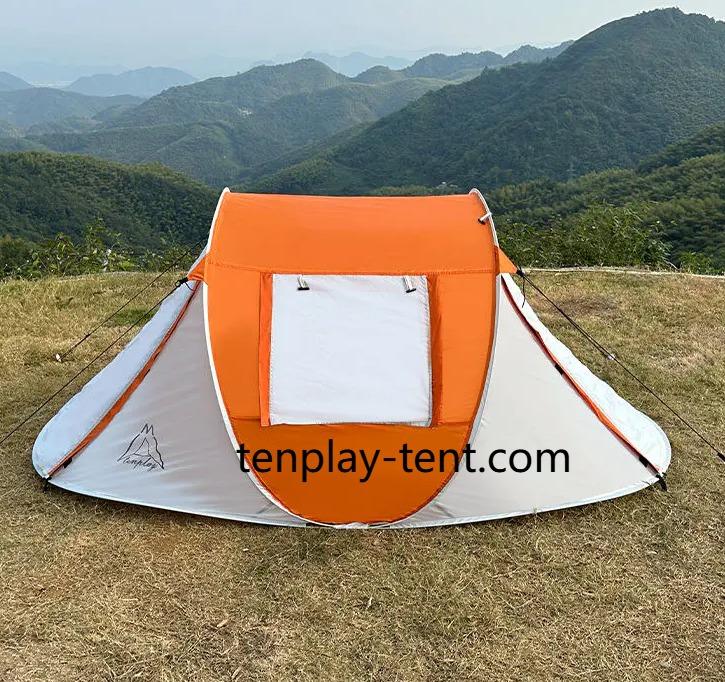
Cold-weather camping changes the relationship between people and their shelter, making a Winter Shelter Tent more than a simple place to sleep. The outer fabric, insulation, supporting structure, ventilation, entrance arrangement, and interior organization all influence how comfortable the shelter feels when outdoor conditions become colder and wetter. Ningbo Zhenhai Tiansai Leisure Products Co., Ltd. develops a range of camping and specialty shelters, including winter-oriented products designed for cold-weather outdoor activities, ice fishing, sauna use, and camping applications.
Material selection is particularly important in winter because the shelter must manage several environmental conditions at the same time. The outer fabric needs to provide protection from wind and moisture while remaining suitable for repeated folding and transportation. Insulating layers can help reduce heat loss from the interior, while reinforced areas can provide additional support around entrances, seams, and connection points. The floor material also deserves attention because it separates occupants from cold or damp ground. Rather than judging a tent by one material alone, buyers should consider how the fabric, insulation, floor, frame, and supporting components work together.
The choice of fabric can also influence the atmosphere inside the shelter. Technical synthetic fabrics may offer a practical combination of weather protection and easy handling, while cotton-blend or technical cotton materials can create a different balance between breathability, texture, and outdoor comfort. The appropriate choice depends on how the tent will be used and transported. Tiansai's product range includes insulated inflatable winter shelters as well as cotton cabin-style tents intended for outdoor and cold-weather applications, giving buyers different material approaches to consider.
When selecting a winter tent, the first question should be how and where it will be used. A family spending time at an established campsite may have different priorities from travelers visiting remote outdoor areas. Ice fishing, winter leisure, glamping, hunting, and general cold-weather camping can also require different structural arrangements. Buyers should consider whether they need a dedicated sleeping area, a living space, equipment storage, or a shelter that can accommodate heating equipment. Thinking about actual activities before purchasing can make it easier to choose an appropriate configuration.
Cold-weather functionality also depends on how the shelter handles airflow. A tightly enclosed interior may retain warmth effectively, but insufficient ventilation can allow condensation to accumulate. Windows, vents, mesh panels, and adjustable openings can help manage air movement while allowing users to control the relationship between warmth, fresh air, and privacy. For shelters designed around winter heating, ventilation becomes even more important because the interior environment needs to be managed carefully. Tiansai offers winter shelters with ventilation features and dedicated designs for applications such as sauna and ice fishing.
The structural system is another area worth examining. Traditional poles can provide a familiar camping setup, while inflatable air structures offer a different approach to supporting the tent body. Pop-up structures can also simplify deployment for users who want to reduce assembly steps in cold conditions. The best choice depends on the user's transportation habits, preferred setup method, and intended environment. A well-designed support system should work naturally with the fabric and entrances rather than making the shelter feel complicated to operate.
User experience becomes especially important when temperatures are low. Handling small components with cold hands can be uncomfortable, so simple connections and understandable setup procedures can make a meaningful difference. Doors should be easy to locate and operate, while storage areas can help keep clothing, sleeping equipment, cooking supplies, and personal items organized. Interior layouts should also allow people to move naturally without constantly disturbing sleeping or living areas. These details can determine whether a shelter feels practical during an extended winter stay.
Packing and storage should be considered before purchasing as well. Winter shelters often use layered fabrics, reinforced structures, or additional components that need to be organized after use. A practical carrying and folding system can make transportation less stressful, particularly when the shelter is moved between campsites. Materials that are manageable after exposure to moisture are also useful because winter camping often means dealing with damp fabric before the product can be stored. Buyers should therefore consider the complete cycle from setup to use, cleaning, drying, folding, and storage.
Design and appearance also have a place in winter shelter development. A rounded dome can create a distinctive outdoor character while helping distribute external forces across the structure, whereas cabin and A-frame forms can provide a more familiar architectural appearance. Color, fabric texture, window placement, entrance shape, and interior organization can all affect how the shelter feels within a snowy campsite or natural landscape. Tiansai develops different tent structures for family camping, glamping, specialty outdoor activities, and winter use, reflecting the importance of matching appearance with application.
Customization can be useful for outdoor brands and distributors developing products for particular winter markets. Fabric choices, insulation approaches, structural concepts, ventilation arrangements, stove-related features, colors, logos, and packaging can be considered during product development. Tiansai states that it provides customized solutions and maintains an independent design team, while its product development process incorporates practical testing and customer experience feedback.
For buyers evaluating winter camping shelters, looking at material behavior, environmental suitability, ventilation, structure, setup, storage, interior organization, and visual design together can provide a clearer basis for product selection. These factors connect the shelter with the actual routines of cold-weather camping, from arriving at the campsite and preparing the interior to resting, moving around, maintaining airflow, and packing away after the trip. More information about Ningbo Zhenhai Tiansai Leisure Products Co., Ltd. and its winter camping, specialty shelter, and outdoor tent products is available at https://www.tenplay-tent.com/product/.

 English
 Arabic
 French
 Spanish
 Portuguese
 Turkish
 Dutch
Dutch
 Italiano
 Russian
 Romaian
 Portuguese (Brazil)
 Greek
Greek
