


Standard Operating Procedures | Improve Business Workflows
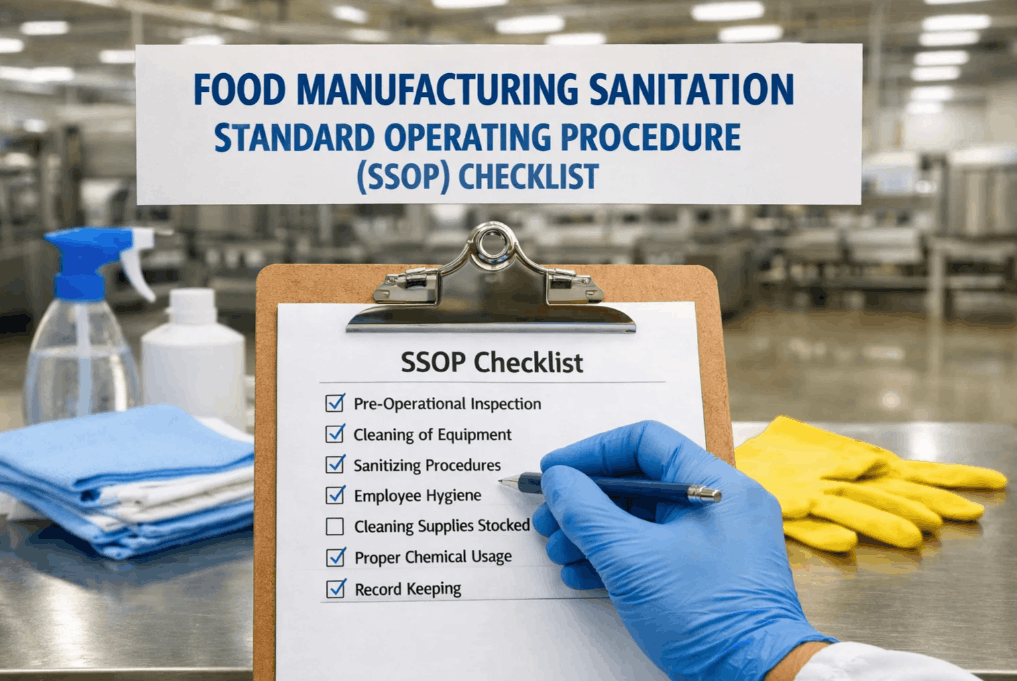
Businesses rely on consistent processes to complete daily tasks efficiently. Whether it is managing customer requests, handling accounts, onboarding employees, or delivering services, having a clear process can reduce confusion and improve productivity. This is where Standard Operating Procedures become valuable.
A well-designed procedure gives employees clear instructions about how a particular task should be completed. Instead of depending on individual experience or assumptions, team members can follow an organized workflow. This can help businesses maintain consistency, reduce avoidable mistakes, and improve overall operational efficiency.
What Are Standard Operating Procedures?
Standard Operating Procedures are documented instructions that explain how to perform specific business activities. They can cover simple routine tasks as well as more detailed operational processes.
For example, a company may create procedures for:
- Employee onboarding
- Customer service
- Invoice processing
- Accounting and bookkeeping
- Quality control
- Data management
- Sales follow-ups
- Compliance activities
- Inventory management
- IT support
The main purpose is to establish a consistent way of performing important tasks. Employees can refer to the documented process whenever they need clarification, making daily operations easier to manage.
Why Businesses Need Standard Operating Procedures
As a business grows, its processes often become more complicated. More employees, customers, departments, and responsibilities can create challenges if there are no clearly defined workflows.
Create Consistent Workflows
Consistency is one of the biggest advantages of documented procedures. When employees follow the same process, the quality of work becomes easier to maintain.
For example, if every employee follows the same customer onboarding process, important information is less likely to be missed. This creates a more reliable experience for both employees and customers.
Reduce Operational Errors
Unclear instructions can lead to mistakes. A properly documented procedure explains what needs to be done, when it should be done, and who is responsible.
This can reduce errors caused by misunderstanding or incomplete information. It also gives employees a reference point when handling unfamiliar tasks.
Improve Employee Productivity
Employees do not have to spend unnecessary time asking how routine activities should be completed. Instead, they can refer to an established process and move forward with greater confidence.
This can be particularly useful for new employees who are still learning the company's systems and expectations.
How Standard Operating Procedures Improve Business Workflows
Effective Standard Operating Procedures can transform complicated activities into structured workflows. They help businesses organize responsibilities and establish clear steps for completing tasks.
Identify the Process
The first step is to select the business process that needs improvement. Businesses should focus on activities that are repetitive, important, time-consuming, or prone to errors.
For example, a company may identify invoice processing as an area where delays frequently occur.
Document Each Step
Once the process has been identified, document each stage in a logical order. Keep the instructions simple and specific.
A good procedure should explain:
- What task needs to be completed
- Who is responsible for the task
- What information or documents are required
- What steps should be followed
- What approvals are necessary
- What should happen after completion
Clear documentation makes it easier for employees to understand the complete workflow.
Assign Responsibilities
Every important task should have an assigned owner. Employees should know who is responsible for starting, reviewing, approving, and completing different stages.
Clearly defined responsibilities can prevent duplicated work and reduce the possibility of important tasks being overlooked.
Key Elements of Effective Procedures
Not every procedure needs to be lengthy. In many cases, concise and practical instructions are more useful than complicated documents.
Clear Objectives
Start by explaining the purpose of the procedure. Employees should understand why the process exists and what result it is designed to achieve.
Simple Instructions
Avoid unnecessary technical language. Use straightforward instructions that employees can easily understand and apply.
Defined Roles
Mention the department, employee, or role responsible for each major activity. This creates accountability within the workflow.
Required Documents and Tools
Include information about the systems, forms, documents, software, or other resources employees need to complete the process.
Review and Approval Process
If a task requires managerial or departmental approval, clearly explain when and how approval should be obtained.
Benefits of Standard Operating Procedures for Growing Businesses
Growing businesses often face challenges when processes depend heavily on individual employees. Documented procedures can help create greater operational stability.
Simplify Employee Training
New employees can use documented procedures as training resources. Instead of relying entirely on verbal instructions, managers can provide structured guidance.
This can make onboarding more organized and help employees understand their responsibilities faster.
Support Business Continuity
Employees may leave, change roles, or take extended time off. When important knowledge exists only with one person, business operations can be disrupted.
Documented procedures preserve important process knowledge and make it easier for another qualified employee to take over.
Improve Quality Control
Consistent processes make it easier to monitor the quality of work. Managers can compare actual performance with the documented workflow and identify areas that need improvement.
Support Compliance
Some industries require businesses to maintain specific processes and records. Proper documentation can help organizations demonstrate that important activities are being performed consistently.
However, businesses should ensure that their procedures reflect the specific legal and regulatory requirements applicable to their industry.
Common Mistakes to Avoid
Creating documentation is only useful when employees can actually use it. Businesses should avoid making procedures unnecessarily complicated.
One common mistake is writing procedures that are too long or difficult to understand. Another is failing to update them when business processes change.
Businesses should also avoid creating procedures without consulting the employees who perform the tasks. Their practical experience can help identify unnecessary steps, potential bottlenecks, and realistic improvements.
How to Maintain Effective Procedures
Business processes change over time. New software, employees, regulations, customer requirements, and company policies can affect existing workflows.
Therefore, Standard Operating Procedures should be reviewed regularly. Businesses can schedule periodic reviews to confirm that the information remains accurate.
When changes are made, employees should be informed about the updated process. Version numbers, review dates, and responsible owners can also help businesses maintain better document control.
Conclusion
Standard Operating Procedures provide businesses with a practical way to organize daily activities and improve workflow consistency. By documenting responsibilities, processes, required resources, and approval steps, companies can reduce confusion and create more structured operations.
Effective procedures can support employee training, improve productivity, reduce operational errors, strengthen quality control, and preserve important organizational knowledge. However, they should remain practical and easy to follow rather than becoming complicated documents that employees rarely use.
As businesses grow, regularly reviewing and improving documented workflows can help create more efficient and reliable operations. When properly designed and maintained, clear procedures become an important part of building a well-organized and scalable business.

 English
 Arabic
 French
 Spanish
 Portuguese
 Deutsch
 Dutch
Dutch
 Italiano
 Russian
 Romaian
 Portuguese (Brazil)
 Greek
Greek
