


Why Consider Kaixinmagnetic Electro Permanent Magnetic Chuck for Flexible Machining
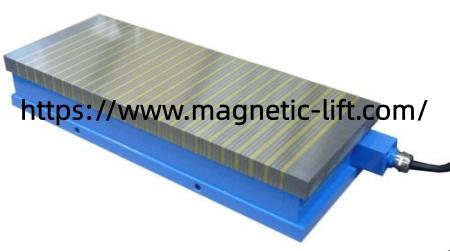
Electro Permanent Magnetic Chuck selection deserves careful attention because different workshops have different machining requirements. Buyers should examine workpiece dimensions, material characteristics, surface conditions, machine compatibility, control methods, and expected production frequency before placing an order. For milling and other metalworking operations, suitable workholding equipment can help keep components positioned during processing while providing convenient access for machining. Reviewing these factors in advance can make purchasing discussions clearer and help users select equipment that corresponds with their actual production environment.
The first consideration is the workpiece. Components can vary considerably in size, shape, thickness, and material. A large flat steel plate creates different contact conditions from a smaller component with limited contact area. Buyers should prepare information about the parts they normally process and share these details with the manufacturer. Dimensions, material type, surface characteristics, and typical weight can all help determine whether a particular configuration is suitable.
Surface condition is another important point. Oil, dirt, rust, coatings, scale, uneven areas, and gaps can affect contact between the workpiece and the working surface. A clean and suitable contact area can contribute to consistent holding conditions. If a workshop regularly handles coated or uneven components, this should be discussed during the purchasing stage rather than discovered after installation.
Machining requirements also influence equipment selection. Milling operations can involve different cutting directions, tool paths, feed conditions, and machining forces. Grinding and drilling can create different requirements again. Buyers should consider how components are processed, where cutting forces are applied, and how much access is required around the workpiece. This provides a more realistic basis for equipment selection than looking at one specification alone.
Control method deserves particular attention. Electrical control can provide convenient activation and release during setup, while the permanent holding principle can maintain the established condition after the required activation process. Buyers should understand the control sequence, operating instructions, power requirements, and applicable procedures before purchase. Clear operator training can also help workers become familiar with the equipment and use it consistently.
Machine compatibility should be checked before ordering. Existing production lines may have specific table dimensions, mounting arrangements, available space, and height limitations. Buyers can measure the working area and confirm installation requirements with the supplier. Checking these details early can help prevent unnecessary modifications and make integration into an established machining process more straightforward.
Another factor is flexibility. Some workshops process a changing range of components instead of producing one identical part throughout the day. In these environments, workholding equipment may need to accommodate different component sizes and production arrangements. Buyers can consider whether the selected configuration provides suitable working access and whether its dimensions correspond with the range of components commonly processed.
Capacity should always be evaluated according to actual application conditions. A rated figure should not be viewed separately from material type, thickness, contact area, surface condition, and machining forces. Users should follow the manufacturers technical specifications and operating instructions. If the application involves unusual shapes, thin components, coated surfaces, or demanding machining conditions, providing detailed information to the manufacturer can support a more appropriate product discussion.
Maintenance is another purchasing consideration. Buyers may ask about cleaning requirements, inspection procedures, control components, service arrangements, and replacement parts. A clear maintenance routine can make equipment management easier, particularly in workshops where machines operate regularly. Operators should also check the equipment before use and follow established workplace procedures.
Installation and operator training can influence the practical experience after purchase. Workers should know how to position components, operate the control system, confirm the holding condition, and release the workpiece correctly. Written instructions and suitable training can help create a consistent setup routine across different operators and shifts.
Kaixinmagnetic provides magnetic workholding solutions for industrial machining applications and supports customers evaluating products according to their machinery, components, and production conditions. Manufacturers, distributors, and machining workshops can discuss specific requirements before selecting a suitable configuration.
For purchasing teams, a useful preparation method is to collect machine information, component drawings, material details, surface conditions, machining methods, and expected production frequency. This information gives suppliers a clearer understanding of the application and makes technical communication more efficient. Kaixinmagnetic offers product resources for customers reviewing different workholding solutions for industrial use.
Customers can continue their product research through https://www.magnetic-lift.com/ where available equipment and related product information can be reviewed according to specific machining requirements. Matching technical details with actual workshop conditions can help buyers create a practical purchasing plan.

 English
 Arabic
 French
 Spanish
 Portuguese
 Deutsch
 Turkish
 Dutch
Dutch
 Russian
 Romaian
 Portuguese (Brazil)
 Greek
Greek
