


Understanding Flatbed Trucking for Large and Specialized Loads
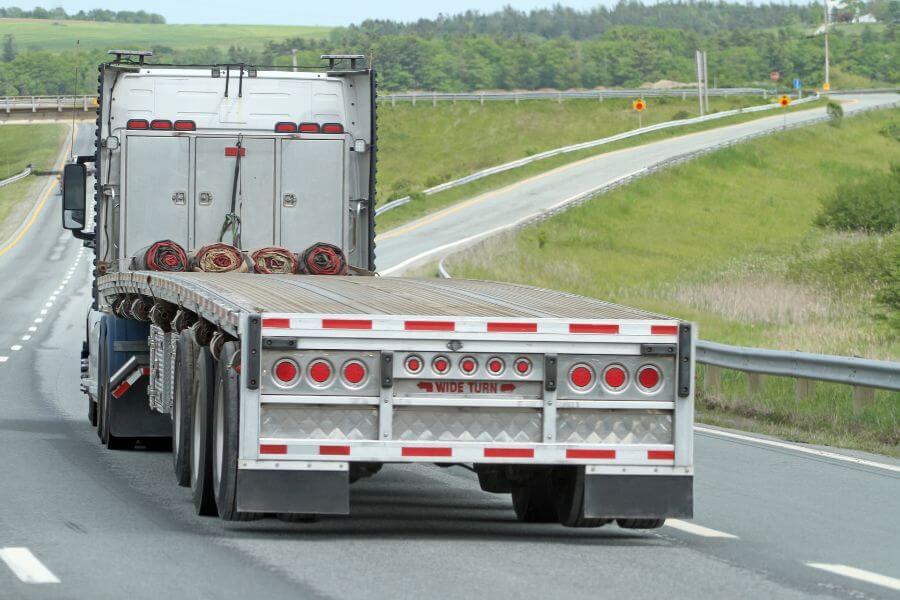
Transporting large materials and equipment can be challenging when the shipment cannot fit inside a standard enclosed trailer. Long construction materials, machinery, steel products, building supplies, and other oversized items often need an open transportation platform. Flatbed transportation provides a practical solution by offering an accessible loading surface without the enclosed walls of a traditional trailer.
This type of transportation requires more than simply placing a load on a trailer. Proper planning, securement, weight distribution, route selection, and communication are all important. When these details are handled carefully, large shipments can be moved more efficiently while reducing unnecessary risks.
What Makes Flatbed Transportation Different?
A flatbed trailer has an open deck that allows materials to be loaded from different directions. This flexibility can be useful when a shipment cannot be easily loaded through the rear doors of an enclosed trailer.
Cranes, forklifts, and other lifting equipment can often position materials directly onto the deck. Side loading may also be possible when site conditions make traditional loading methods difficult.
The open design is particularly helpful for items that are unusually long, wide, tall, or shaped in a way that makes enclosed transportation impractical.
Types of Loads Commonly Transported
Flatbed trailers can carry many different types of cargo. Construction projects may use them for lumber, steel beams, concrete products, pipes, roofing materials, and other building supplies. Industrial operations may require transportation for machinery, equipment, fabricated components, or large parts.
Agricultural and manufacturing businesses can also benefit from open-deck transportation when their products cannot be efficiently moved in enclosed trailers.
Before transportation begins, the shipment should be evaluated according to its weight, dimensions, shape, and handling requirements. This information helps determine whether a flatbed is appropriate.
Importance of Proper Load Preparation
Good preparation can make loading safer and more efficient. Materials should be organized before the trailer arrives, and loose components should be secured or removed when appropriate.
The loading area should provide enough space for the vehicle and lifting equipment. A stable surface is important, particularly when heavy machinery is being used to position the cargo.
For Flatbed Trucking Modesto CA, careful preparation also helps reduce loading delays. When materials are ready and properly organized, the transportation process can move forward more smoothly.
Weight Distribution and Load Placement
The position of cargo on a trailer can affect vehicle stability. Heavy items should be placed with appropriate weight distribution rather than concentrated in one area.
The load should also be positioned so that it does not create unnecessary overhang or interfere with vehicle operation. Oversized items may require additional planning based on their dimensions.
Accurate weight information is essential. Overloading a trailer can create safety problems and may violate applicable transportation requirements.
Securing the Cargo
Cargo securement is one of the most important parts of flatbed transportation. Chains, straps, binders, blocking, and other suitable equipment may be used depending on the type of shipment.
The securement method should match the weight and characteristics of the cargo. Smooth or unusually shaped items may require additional attention to prevent movement during travel.
Before departure, the load should be inspected carefully. Securement equipment should be checked for proper positioning and condition. During longer trips, additional checks may be appropriate because vibration and road movement can affect the load.
Route Planning
Open-deck shipments can have special route requirements when cargo extends beyond standard vehicle dimensions. Bridges, overhead clearances, narrow roads, traffic patterns, construction zones, and weight restrictions should be reviewed before the journey.
A suitable route should balance safety, legal requirements, road conditions, and delivery timing. The shortest route may not always be the best choice.
Weather conditions should also be considered. Strong winds can be particularly important when transporting tall or wide cargo on an open trailer.
Loading and Unloading Considerations
The destination should be prepared before the vehicle arrives. Workers need enough space to unload the shipment safely, and the required lifting equipment should be available.
The unloading area should have suitable ground conditions and enough room for the trailer to position itself. A clear plan helps reduce waiting time and unnecessary movement around the vehicle.
Communication between the driver, shipper, and receiving team is important. Everyone should understand where the cargo will be placed and how it will be removed from the trailer.
Working With Transportation Professionals
Large or unusual shipments often require careful coordination. Experienced Trucking Services Modesto CA can help organize vehicle selection, scheduling, load preparation, securement, and delivery requirements.
Clear communication can help identify transportation challenges before the truck arrives for pickup. It can also make it easier to respond to unexpected changes in road conditions, weather, or construction schedules.
Protecting Cargo During Transit
Flatbed cargo is exposed to outdoor conditions, so the type of protection required depends on the shipment. Covers may be useful for certain materials, while machinery may require protection for sensitive components.
Cargo should also be positioned to reduce unnecessary exposure to road debris and movement. Proper securement remains essential throughout the journey.
Final Thoughts
Flatbed transportation provides valuable flexibility for loads that cannot be handled efficiently by enclosed trailers. Its open design makes loading large and unusual materials easier, but it also requires careful planning and securement.
Successful transportation depends on choosing suitable equipment, preparing the cargo, distributing weight correctly, securing the shipment, planning the route, and preparing the delivery site. With attention to these details, large and specialized loads can be transported more safely and efficiently.

 English
 Arabic
 French
 Spanish
 Portuguese
 Deutsch
 Dutch
Dutch
 Italiano
 Russian
 Romaian
 Portuguese (Brazil)
 Greek
Greek
