


Professional Teeth Whitening for a Brighter Smile
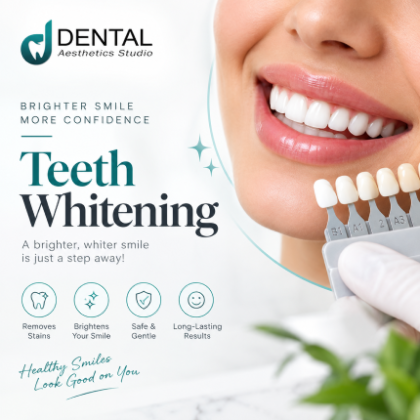
Professional teeth whitening is a cosmetic dental treatment designed to improve the color of natural teeth by reducing stains and discoloration. Teeth can become yellow or dull because of coffee, tea, tobacco, certain foods, aging, and other lifestyle factors. Whitening can help restore a brighter appearance and make your smile look fresher.
Unlike random whitening methods used without professional advice, dental whitening is planned according to the condition of your teeth and gums. Professional teeth whitening gives patients the opportunity to receive a controlled treatment approach and professional guidance based on their individual needs.
How Does Professional Teeth Whitening Work?:
Professional whitening generally uses peroxide-based whitening agents that interact with stain-causing molecules. These agents help break down the compounds responsible for discoloration, allowing natural teeth to appear lighter.
Before treatment, a dentist can examine your teeth and gums and determine whether whitening is appropriate. The whitening product is then applied according to the selected treatment method and left in place for an appropriate period. Some professional systems may use a specialized light as part of the treatment process.
What Causes Teeth to Become Discolored?:
Tooth discoloration can occur for many reasons. Coffee, tea, cola, tobacco, berries, sauces, and other strongly pigmented foods and drinks can create surface stains. Poor oral hygiene can also allow plaque and deposits to build up, making the teeth look dull or yellow.
Age can naturally change tooth color as enamel becomes thinner and the yellowish dentin underneath becomes more visible. Certain medications, dental trauma, and other internal factors can also cause discoloration that may not respond to whitening in the same way as ordinary surface stains.
What Happens During a Whitening Appointment?:
A professional whitening appointment usually begins with an oral examination. Your dentist may look for cavities, gum problems, cracks, enamel concerns, or other conditions that should be addressed before whitening.
After the teeth are prepared, the surrounding gum tissue is protected and the whitening product is carefully applied. The dentist controls the treatment process and follows the recommended application time. Depending on the system used, the whitening gel may be applied more than once during an appointment.
What Results Can You Expect?:
Many patients notice a visible improvement in tooth color after professional whitening. However, results differ according to the original tooth shade, the cause of staining, treatment method, and individual response.
Some types of yellow or surface discoloration can respond particularly well, while deeper internal stains may be more resistant. A dental professional can discuss realistic expectations before starting treatment so that patients understand what whitening can and cannot achieve.
Is Professional Teeth Whitening Safe?:
When suitable products are used correctly and the treatment is properly supervised, professional teeth whitening is generally considered safe for appropriate patients. Temporary sensitivity or mild gum irritation can occur, but these effects often improve after treatment.
A dental examination is important because whitening may not be suitable for people with untreated cavities, significant gum disease, severe enamel problems, or certain other oral conditions. Treating these problems first can help improve comfort and protect oral health.
Can Whitening Improve Your Confidence?:
A brighter smile can have an important cosmetic effect on your overall appearance. Some people feel uncomfortable smiling or taking photographs because of visible stains or yellowing. Whitening can help reduce these concerns by improving the appearance of natural teeth.
Although whitening does not change the shape or alignment of teeth, a cleaner and brighter tooth shade can make a smile look more refreshed and polished.
Can Whitening Work on Every Type of Stain?:
Professional whitening is most effective on many types of stains found on natural teeth, but it does not work equally well for every discoloration. Surface stains caused by foods, beverages, and tobacco may respond well to bleaching.
Internal discoloration caused by trauma, certain medications, or changes in tooth structure may require another cosmetic approach. Patients seeking a complete smile enhancement can also explore dental aesthetics for treatment options beyond whitening.
Does Whitening Change Crowns or Veneers?:
Professional whitening primarily affects natural teeth. Crowns, veneers, fillings, and other dental restorations generally do not respond to bleaching agents in the same way as natural tooth structure.
If you have visible dental restorations, your dentist can assess your smile before whitening and explain how the treatment may affect the overall appearance. This is particularly important when you want your natural teeth and restorations to appear evenly matched.
How Long Do Whitening Results Last?:
Whitening results naturally fade over time because teeth continue to encounter food, beverages, tobacco, and other sources of staining. The length of time results remain visible varies from person to person.
Good oral hygiene, regular dental cleanings, limiting staining foods and drinks, and avoiding tobacco can all help extend the appearance of your whitening results.
How Can You Maintain a Brighter Smile?:
Maintaining your smile after whitening requires regular oral care. Brush your teeth twice a day with fluoride toothpaste and floss daily to help remove plaque and food particles.
Drinking water after meals and beverages can also help rinse away staining substances. If you regularly drink coffee or tea, reducing frequency or rinsing with water afterward may help control new discoloration.
Should You Avoid Certain Foods After Whitening?:
Your dentist may recommend limiting strongly colored foods and beverages immediately after treatment. Coffee, tea, cola, red wine, berries, curry, and dark sauces can contribute to staining.
Very hot or cold foods may also cause discomfort if you experience temporary sensitivity. Following your dentist's aftercare instructions can help make the recovery period more comfortable and protect your newly brightened smile.
How Often Should You Get Professional Whitening?:
There is no single whitening schedule that works for everyone. The appropriate frequency depends on your treatment method, lifestyle, natural tooth color, oral health, and how quickly new stains develop.
Whitening too frequently may increase sensitivity or gum irritation. Instead of repeatedly treating your teeth on your own, consult your dentist about when a maintenance or touch-up treatment is appropriate.
Is Professional Whitening Better Than DIY Methods?:
Professional whitening offers the advantage of dental assessment, controlled application, and personalized guidance. DIY methods can vary in strength and may be used incorrectly, particularly when people leave products on too long or use them too frequently.
A dentist can also identify dental issues that whitening products cannot treat. This makes professional assessment valuable for anyone considering cosmetic whitening, especially those with sensitivity or existing dental restorations.
Final Thoughts on Professional Teeth Whitening:
Professional teeth whitening can be an effective way to brighten natural teeth, reduce common stains, and improve the overall appearance of your smile. The treatment is carefully planned according to your oral health, tooth color, and cosmetic goals.
Maintaining the results requires good brushing and flossing habits, sensible food and drink choices, regular dental checkups, and appropriate touch-up care. To learn more about teeth whitening treatment and professional dental care, speak with a qualified dental professional about the best approach for achieving a brighter smile:

 English
 Arabic
 French
 Spanish
 Portuguese
 Deutsch
 Turkish
 Dutch
Dutch
 Italiano
 Romaian
 Portuguese (Brazil)
 Greek
Greek
