


What Should Buyers Check at bluefirecans Butane Gas Cartridge Factory?
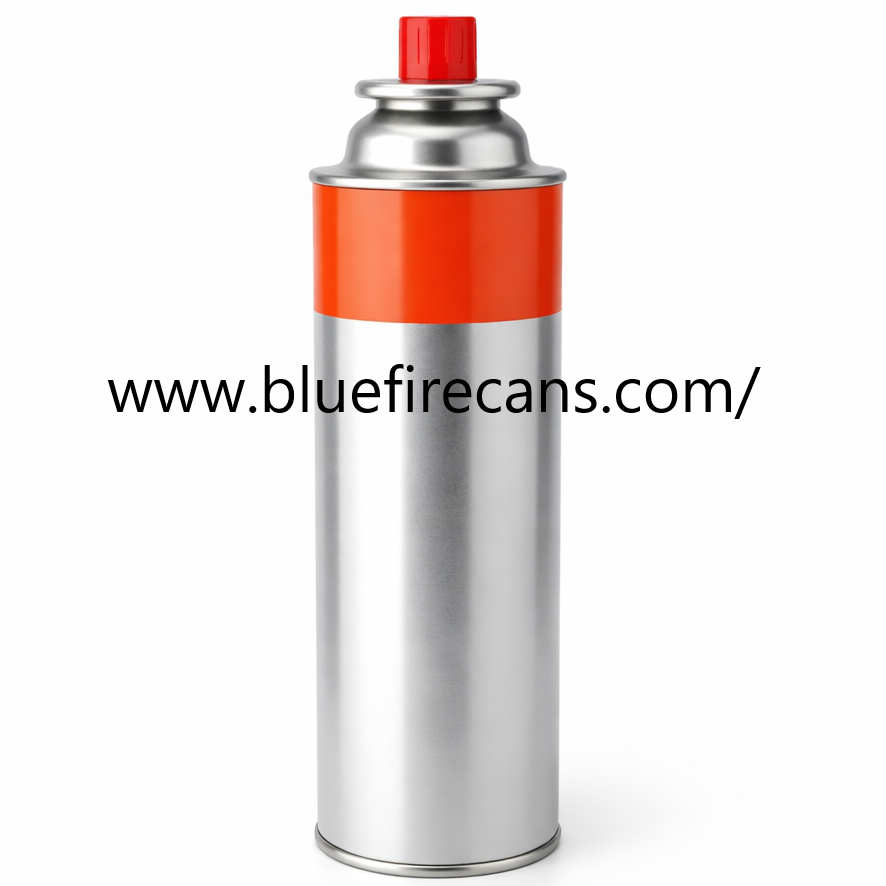
Butane Gas Cartridge Factory selection should be based on practical purchasing requirements rather than price alone. Buyers can examine dimensions, capacity, connection structure, valve configuration, materials, packaging, inspection procedures, customization options, production planning, and communication. For importers and distributors, reviewing these factors in advance can make supplier comparison clearer and help match the product with the needs of a particular market.
Identify the Application First
Before requesting a quotation, buyers should understand how the product will be used. Portable stoves, outdoor cooking equipment, and other appliances can have different requirements concerning capacity, dimensions, connection format, and valve design.
A purchasing team can prepare a specification sheet before contacting suppliers. Useful information may include measurements, technical drawings, appliance compatibility, estimated order quantity, packaging preferences, and destination market.
Providing clear information at the beginning can reduce unnecessary back-and-forth communication. It also gives the supplier a better basis for recommending an appropriate configuration without making assumptions about the buyer's application.
Compare Available Sizes
Capacity is an important purchasing consideration. A smaller format may be suitable where portability and compact storage are important, while a larger option may be selected for applications requiring longer operating periods.
Buyers should compare size according to actual customer requirements rather than selecting one option without considering its intended use. Storage space, appliance compatibility, transportation arrangements, and expected consumption can all influence the decision.
The bluefirecans product range includes several camping-oriented capacities, such as 100g, 230g, and 450g options. Buyers can compare these formats according to their own equipment and market requirements. (bluefirecans.com)
Examine Valve and Connection Details
Connection compatibility deserves particular attention. Differences in thread dimensions, valve structure, or sealing components can affect whether a container is suitable for a specific appliance.
Buyers should request technical specifications rather than relying only on photographs. Drawings, samples, and dimensional information can provide a more useful basis for checking compatibility.
For example, some products listed by bluefirecans use threaded valves designed around EN417 requirements. Buyers should still confirm the exact specification required by their equipment before placing an order. (bluefirecans.com)
Review Material Information
The materials used for the body, valve components, and sealing elements should also be discussed during supplier evaluation. Buyers can ask what materials are specified and how important dimensions and components are checked during production.
The purpose is not to examine every manufacturing detail. Instead, buyers should gain a practical understanding of how specifications are managed from incoming materials through finished products.
Sample approval can be useful here. A buyer can compare the sample against the agreed drawings and requirements, then use the approved specifications as a reference for subsequent production.
Consider Packaging Requirements
Packaging affects transportation, storage, warehouse organization, and product presentation. Buyers should discuss individual packing, carton quantities, carton dimensions, labeling, markings, and printing requirements.
Companies working with private-label products may also need customized artwork. In this situation, the buyer and supplier should confirm artwork, dimensions, printing details, sample approval, and production arrangements before manufacturing begins.
Packaging requirements can vary according to the destination market. Buyers should therefore provide their expected sales region and confirm any applicable requirements before finalizing the order.
Ask About Inspection Procedures
Inspection procedures are another useful area for comparison. Buyers can ask which product characteristics are checked and how samples or production batches are evaluated.
Dimensions, appearance, valve installation, sealing components, markings, and packaging details may all be included in a purchasing checklist depending on the project.
A written specification can make future communication easier. When both sides work from the same approved details, it becomes simpler to discuss repeat orders and identify any changes that need approval.
Discuss Customization Options
Customization may be relevant for distributors and brands that want a particular product presentation. Possible requirements can include printed labels, carton artwork, packaging quantities, or other agreed product arrangements.
The customization process should be discussed before the order is confirmed. Buyers can provide artwork files, required dimensions, target quantities, and packaging instructions, while the supplier can explain available production arrangements.
bluefirecans provides OEM-related options for buyers with specific branding and packaging requirements. The exact scope should be confirmed according to the product, order quantity, and project specifications. (bluefirecans.com)
Review Documentation and Market Needs
Importers should consider the requirements of their destination country before purchasing. Rules related to transportation, storage, labeling, handling, and documentation can differ between markets.
Buyers can ask which product information and documents are available from the supplier. They should then verify whether additional local requirements apply to their own import or distribution plans.
For certain listed products, bluefirecans provides information concerning EN417 specifications and DOT certification. Buyers should confirm the documentation applicable to their specific model and destination market. (bluefirecans.com)
Evaluate Production Communication
A supplier assessment should also consider how orders are managed. Buyers can ask about minimum quantities, sample arrangements, production schedules, packaging preparation, customization, and repeat-order planning.
Clear communication is particularly useful when an order involves several sizes or customized packaging. Buyers should keep written records of approved specifications so that changes can be discussed before production begins.
For long-term purchasing plans, buyers may also share approximate demand forecasts. This can help both sides discuss production schedules and order timing based on realistic requirements.
A thoughtful purchasing checklist can cover application, dimensions, capacity, connection format, materials, packaging, inspection, customization, documentation, order quantity, and production planning. For buyers looking to discuss portable fuel container solutions and related OEM requirements, bluefirecans offers product information and manufacturing support. Visit https://www.bluefirecans.com/ to review the available range and contact the team about your specifications, packaging preferences, and purchasing plans.

 English
 Arabic
 French
 Spanish
 Deutsch
 Turkish
 Dutch
Dutch
 Italiano
 Russian
 Romaian
 Portuguese (Brazil)
 Greek
Greek
