
Outscraper Google Maps Scraper for Event Planners: Build Venue and Vendor Lists
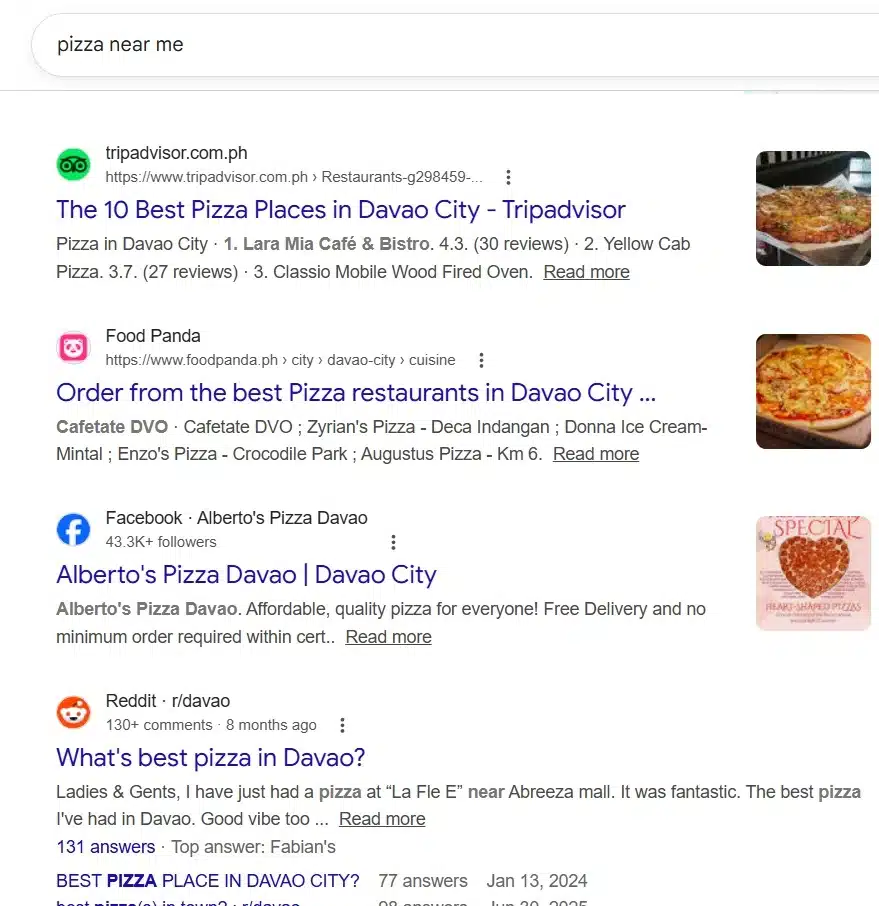
Sales and marketing teams have long known that Google Maps is one of the richest sources of local business data available, but manually copying listings one by one simply doesn't scale. That gap is exactly where Outscraper Google Maps Scraper fits in, automating the extraction process so teams can focus on outreach and strategy instead of data entry. Here's a closer look at how it works, what data you can expect, and where it fits into a broader research or outreach strategy.
Who Uses This Data
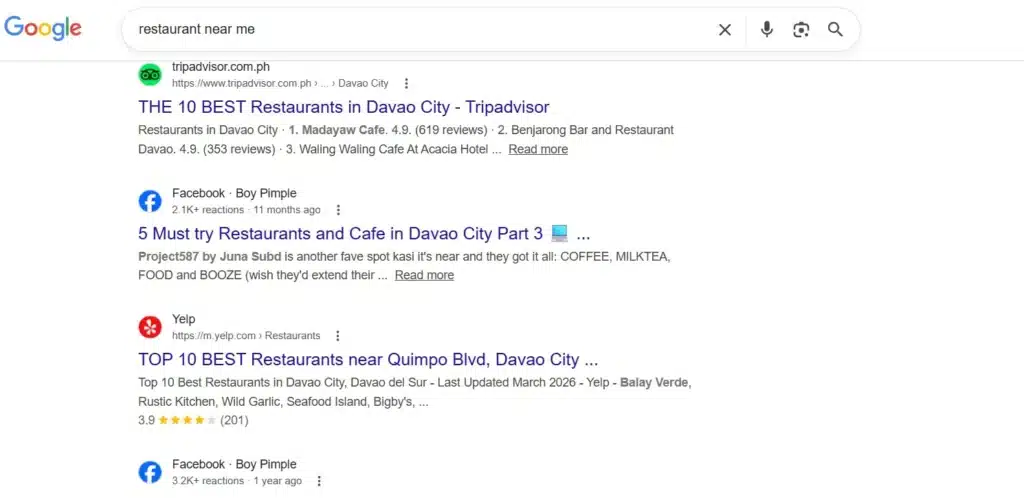
Local SEO agencies use this kind of data to identify prospects who could benefit from better online visibility, sales teams use it to build cold outreach lists segmented by city and category, and market researchers use it to map competitive density across regions. Recruiters have even started using similar searches to identify local businesses that might be hiring, while event planners use it to compile vendor and venue shortlists. Franchise development teams often rely on this type of data to evaluate potential markets, comparing the number and density of similar businesses across different cities before deciding where to expand. Nonprofits, similarly, use it to identify local businesses that might be open to sponsorship or partnership conversations.
Manual Research vs. Automated Extraction
Manually researching even a hundred local businesses, one listing at a time, can easily consume an entire workday once you factor in copying details, checking websites for emails, and organizing everything into a spreadsheet. Automated extraction compresses that same task into minutes, freeing up time for the actual outreach or analysis work that the data was collected for in the first place. Beyond the time savings, automated data collection also tends to be more consistent than manual research, since every record is pulled using the same fields and structure. Manual research is prone to inconsistent formatting, missed listings, and simple human error, especially when a team member is trying to move quickly through a long list of businesses. Teams looking to streamline this process often turn to Outscraper Google Maps Scraper for exactly this reason.
The Data Fields You Can Export
Beyond the basics of name, address, and phone number, exports can include website URLs, business categories, star ratings, total review counts, and sometimes email addresses pulled from linked websites. Each of these fields serves a different purpose: ratings and review counts help prioritize which leads are most established, while categories make it easy to segment a list by industry before starting outreach. Having structured fields rather than raw text makes filtering and sorting dramatically easier. A sales team might want only businesses with fewer than fifty reviews, since these are often newer or under-marketed and more receptive to outreach, while a market researcher might care more about geographic density than review counts at all.
Benefits for Agencies
Agencies managing outreach for multiple clients benefit from being able to generate fresh, localized lists on demand rather than relying on outdated purchased databases. This makes it possible to tailor prospecting lists to each client's specific market and industry without waiting on a data vendor or paying for records that don't apply. Teams running outreach at scale also benefit from being able to re-run searches periodically to catch new businesses that have opened or updated their listings, keeping prospecting lists current rather than static snapshots that go stale after a few months.
Running Your First Search
Getting started typically involves entering a search term, such as a business category combined with a city or zip code, and letting the tool pull every matching listing within that scope. Once the search runs, results can be filtered, sorted, and exported directly to CSV or Excel, making it easy to hand the file off to a sales team or import it into another platform. New users often start with a small test search to get a feel for the output format before running larger extractions across multiple cities or categories. This approach helps confirm that the data fields returned match what's actually needed for the project, whether that's just names and phone numbers or a fuller dataset including websites and review counts. As local business data becomes more central to sales, marketing, and research workflows, having an efficient way to extract it directly from Google Maps is quickly becoming less of a nice-to-have and more of a standard part of the toolkit.

 English
 Arabic
 French
 Spanish
 Portuguese
 Deutsch
 Dutch
 Italiano
 Russian
 Romaian
 Portuguese (Brazil)
 Greek