


A Practical Guide to Choosing Reliable Aluminum Conveyor Rollers
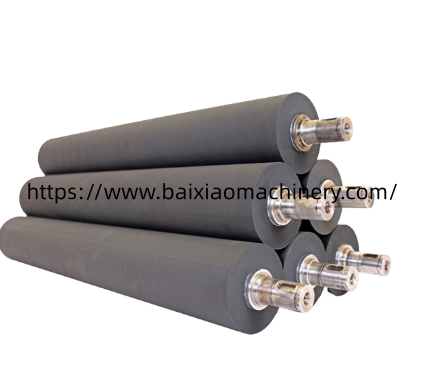
Modern material-handling systems increasingly depend on components that combine efficient movement with practical installation and long-term service, and selecting an Aluminum Guide Roller requires attention to much more than the roller body. Material selection, purchasing considerations, functional engineering, user experience, maintenance, and visual design all influence how effectively a roller becomes part of a complete conveyor system.
Aluminum offers a useful combination of lightness, corrosion resistance, surface adaptability, and manufacturing flexibility, making it suitable for applications where equipment handling and environmental conditions both matter. Compared with some heavier structural materials, aluminum can make individual components easier to handle during installation or replacement. Engineers still need to consider the complete application, however, because the right material depends on contact conditions, surrounding machinery, cleaning practices, and the role of the roller within the conveyor.
Surface treatment can further influence the practical character of an aluminum component. Finishing methods may improve surface appearance, cleaning convenience, and resistance to environmental exposure. Depending on the application, manufacturers may consider polished, coated, anodized, or otherwise treated surfaces. The finishing approach should remain compatible with the way products contact the roller and with the maintenance routines used by the facility.
Material selection should also be connected with the products being transported. Different goods may have different surface characteristics and handling sensitivities. A roller used for packaged products may have different requirements from one used for delicate components or specialized materials. Engineers can therefore consider friction, contact stability, surface protection, and product movement when selecting the most appropriate roller concept.
Purchasing decisions should start with the conveyor process rather than the component name. Buyers can examine the type of products being moved, installation surroundings, conveyor layout, cleaning requirements, replacement procedures, and interaction with frames, guides, belts, or other rollers. The working environment can also influence material preferences, particularly where moisture, dust, chemical exposure, or frequent cleaning is present. A process-focused approach gives procurement teams a clearer basis for comparing available solutions.
Supplier evaluation deserves similar attention. A reliable conveyor-component manufacturer should understand material behavior, machining, surface finishing, assembly, inspection, and system integration. Engineering communication is particularly valuable when the roller needs to work with existing machinery or a customized conveyor arrangement. Zhejiang Province, Ruian Baixiao Machinery Co., Ltd. develops material-handling products with practical manufacturing knowledge and attention to different customer applications.
Functional engineering determines how the roller performs inside the conveyor structure. Engineers need to coordinate the roller body, shaft, bearings, mounting interfaces, frame structure, and surrounding guidance features. The alignment between these elements can influence rotation, product positioning, and overall system stability. A coordinated design can also make installation and future replacement easier for maintenance teams.
The relationship between roller movement and surrounding components is another important consideration. Rollers operate as part of a sequence, so their positions and interfaces need to support the intended movement of products through the system. Engineers can review how the roller interacts with neighboring elements during transfer, positioning, accumulation, or directional guidance. This broader system view can help reduce unnecessary mechanical interaction and improve overall organization.
Technology supports more efficient development by allowing engineers to examine these relationships before production. Three-dimensional modelling can be used to study roller geometry, shaft interfaces, bearing positions, frame connections, and contact surfaces. Digital inspection tools can then help manufacturers compare finished components with design expectations. Modern machining, turning, grinding, forming, finishing, assembly, and quality-control processes can translate these designs into consistent products.
Manufacturing feedback remains important after the design stage. Production teams may identify ways to simplify machining or assembly, while installation technicians can reveal opportunities to improve mounting access. Maintenance personnel may also provide observations about cleaning, lubrication, replacement, or inspection. Connecting these experiences with future design work allows manufacturers to refine products around actual conveyor conditions.
User experience involves more than the operator watching the conveyor. Installation teams, maintenance technicians, warehouse personnel, and equipment managers may all interact with rollers throughout their service life. Components that are easier to identify, handle, position, inspect, and replace can reduce unnecessary effort. Accessible interfaces and logical component organization can make routine service more efficient and help teams manage equipment with greater confidence.
Maintenance should influence development from the beginning. Conveyors can operate around dust, moisture, oils, packaging residue, fibers, and other contaminants. Aluminum surfaces can be practical to clean, while suitable finishing can further support routine care. Accessible bearing and mounting areas can simplify inspection and replacement. Maintenance-friendly design helps reduce unnecessary disruption when individual components require attention.
Design and appearance also have a meaningful role in industrial equipment. Aluminum surfaces can create a clean and modern visual character, particularly when combined with carefully controlled finishing. Consistent roller shapes, organized shafts, balanced mounting structures, and coordinated surfaces can make a conveyor system appear more professional. Visual clarity can also help technicians recognize individual components during inspection and maintenance.
Appearance becomes even more relevant when conveyor equipment is located in customer-facing production, packaging, or logistics areas. A well-organized system can contribute to a cleaner workplace while reinforcing the perception of orderly manufacturing. Good industrial design should therefore consider both mechanical purpose and the way equipment fits visually into the surrounding facility.
Customization provides additional flexibility for specialized conveyor projects. Different applications may require alternative surface treatments, shaft arrangements, bearing concepts, mounting interfaces, material combinations, or structural forms. Flexible engineering allows manufacturers to adapt components around these requirements while maintaining practical production methods. Collaboration between system designers, engineers, purchasing teams, maintenance personnel, and manufacturers can make customization more efficient.
Quality management connects material preparation, machining, finishing, assembly, inspection, packaging, and customer feedback. Consistent procedures help manufacturers monitor component quality while identifying opportunities for improvement. Feedback from conveyor operators, installers, technicians, and equipment managers can provide useful insight into alignment, cleaning, handling, replacement, and everyday system interaction.
Zhejiang Province, Ruian Baixiao Machinery Co., Ltd. continues developing material-handling and conveyor solutions through practical manufacturing experience, coordinated engineering, flexible product development, and attention to customer applications. Its approach considers material behavior, surface treatment, structural integration, installation, maintenance, user interaction, and visual organization when supporting different conveyor projects. More information about its products and capabilities is available at https://www.baixiaomachinery.com/.

 English
 Arabic
 French
 Spanish
 Portuguese
 Deutsch
 Dutch
Dutch
 Italiano
 Russian
 Romaian
 Portuguese (Brazil)
 Greek
Greek
