


A Practical Guide to Choosing Reliable Rubber Track Solutions
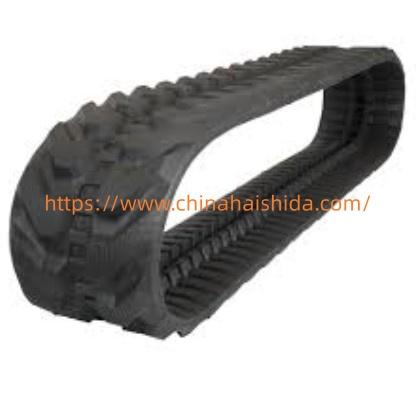
Tracked vehicles depend on their undercarriage systems to move through surfaces where conventional wheeled equipment may struggle. For businesses evaluating a Rubber Tracks Series, the selection process should consider more than the visible track itself. Material composition, purchasing priorities, functional engineering, manufacturing technology, operator experience, maintenance, and design all influence how effectively a track system supports the complete vehicle.
Material selection plays a central role because rubber tracks must interact continuously with the ground, wheels, rollers, sprockets, and surrounding undercarriage components. Manufacturers can consider flexibility, abrasion resistance, structural stability, environmental resistance, and bonding characteristics when developing track materials. Different reinforcement materials may be incorporated into the track construction to support the relationship between flexibility and structural integrity.
The rubber compound itself can influence how the track responds to different environments. Off-road vehicles may travel through mud, wet ground, gravel, vegetation, snow, or uneven surfaces. Material development therefore needs to account for changing exposure and repeated contact with the terrain. Reinforcement layers and internal structures should work together rather than being treated as separate elements.
Material compatibility also affects interaction with the vehicle. The track must work naturally with drive components and support elements while maintaining its intended shape during movement. Manufacturers can study the relationship between rubber, reinforcement materials, metal components, and connecting structures to create a more coherent undercarriage system.
Purchasing decisions should begin with understanding the terrain and mission. A vehicle used for forestry, agriculture, construction support, emergency response, outdoor maintenance, or remote transportation may encounter very different ground conditions. Buyers can consider traction needs, maneuverability, surface protection, turning behavior, maintenance routines, transportation, and compatibility with the existing vehicle before selecting a suitable track concept.
The complete undercarriage should also influence procurement. Tracks work together with sprockets, rollers, idlers, wheels, suspension elements, and vehicle structures. Selecting a track without considering these relationships may create avoidable installation or service issues. Buyers can therefore evaluate the track as part of the vehicle's complete mobility system.
Supplier assessment is another important consideration. Buyers can examine manufacturing experience, rubber-material knowledge, engineering capabilities, quality management, production organization, technical communication, customization support, and customer responsiveness. A manufacturer familiar with tracked mobility can provide more relevant guidance when customers are developing or adapting a vehicle. LIN HAI HAISDER MACHINERY CO., LTD. combines vehicle-manufacturing experience with practical engineering considerations for specialized operating environments.
Functional engineering determines how the track contributes to vehicle mobility. Designers need to consider the relationship between tread patterns, internal reinforcement, drive engagement, support components, suspension, and vehicle weight distribution. The track system should provide a coordinated connection between the vehicle and the terrain while remaining compatible with steering and movement requirements.
Tread design can strongly influence how the vehicle interacts with different surfaces. Designers can consider tread shape, spacing, directional patterns, and contact behavior according to the intended application. Different tread concepts may support different approaches to traction, mud clearance, surface interaction, and overall mobility.
Ground contact is another important engineering consideration. A track system spreads the vehicle's contact with the terrain and can influence how the machine responds to uneven ground. Engineers can examine contact characteristics together with suspension and undercarriage design to create more predictable vehicle movement.
Technology supports track development from initial concept through manufacturing. Digital modelling can help engineers review tread geometry, reinforcement placement, drive engagement, undercarriage relationships, and movement paths before physical production. Virtual design review can make it easier to identify interference or compatibility concerns before manufacturing begins.
Manufacturing technology also affects track consistency. Rubber mixing, forming, reinforcement integration, curing, bonding, finishing, inspection, and assembly each influence the finished product. Coordinating these processes helps manufacturers maintain stable material characteristics while supporting different vehicle applications and product variations.
Quality control is particularly important for tracks because they experience continuous mechanical and environmental interaction. Material inspection, tread evaluation, bonding review, reinforcement checks, surface inspection, and production monitoring can provide useful information throughout manufacturing. Feedback from practical testing and customer use can then contribute to future refinement.
User experience is closely connected with vehicle handling. Drivers and operators depend on the track system when maneuvering across changing ground conditions. Predictable traction, stable movement, smooth interaction with the undercarriage, and manageable turning behavior can contribute to greater confidence during operation.
Maintenance forms another important part of the operator experience. Off-road tracks can collect mud, stones, vegetation, sand, and other debris during operation. Operators and technicians may need to inspect the tread, clean the undercarriage, check surrounding components, or prepare the vehicle for storage. A well-organized system can make these responsibilities easier to manage.
Service accessibility can also influence product usability. Maintenance personnel benefit when track-related components are visible and reachable without unnecessary disassembly. Practical access can shorten routine inspection processes and help technicians identify wear or contamination before they affect vehicle operation.
Transportation and storage deserve consideration as well. Specialized tracked vehicles may move between work sites or remain unused for periods of time. Track materials, protective surfaces, handling arrangements, and storage practices can influence how easily the equipment is prepared for its next application.
Design and appearance contribute to the visual identity of tracked vehicles. Tread patterns, sidewalls, wheel relationships, undercarriage structures, and protective components create a distinctive mechanical character. Designers can coordinate these elements with the vehicle body so the mobility system appears integrated rather than added as an unrelated assembly.
Visual design can also support functional recognition. Clear relationships between tracks, wheels, drive components, and protective sections may help operators and technicians understand the vehicle more easily during inspection. Surface finishes and material appearance can further contribute to the overall sense of organization.
Customization provides flexibility for vehicle manufacturers, agricultural businesses, forestry operators, rescue organizations, construction companies, distributors, and outdoor-service providers. Different users may require alternative tread concepts, reinforcement approaches, undercarriage arrangements, protective elements, or vehicle integration methods. Flexible engineering can adapt these ideas while keeping product development and manufacturing coordinated.
Sustainability can also influence rubber-track development. Manufacturers may consider efficient material utilization, reduced production waste, repair-friendly construction, refurbishment possibilities, reusable packaging, and longer product lifecycles. These considerations can support more responsible resource use while remaining aligned with the practical demands of tracked mobility.
Customer feedback remains valuable after a track system enters service. Operators, mechanics, fleet managers, and distributors can provide practical insight into terrain interaction, handling, cleaning, inspection, storage, and maintenance. Manufacturers can use this information to refine tread concepts, materials, undercarriage relationships, and production processes.
LIN HAI HAISDER MACHINERY CO., LTD. continues developing tracked-vehicle solutions through practical engineering knowledge, manufacturing experience, flexible product development, and attention to different off-road applications. Its approach connects rubber materials, reinforcement, tread design, vehicle integration, manufacturing technology, operator experience, maintenance, transportation, customization, and visual design throughout product development. More information about its products and manufacturing capabilities is available at https://www.chinahaishida.com.

 English
 Arabic
 French
 Spanish
 Portuguese
 Deutsch
 Turkish
 Dutch
Dutch
 Italiano
 Romaian
 Portuguese (Brazil)
 Greek
Greek
