


How to Transform Your Home Office: A Step-by-Step Guide to Home Office Styling
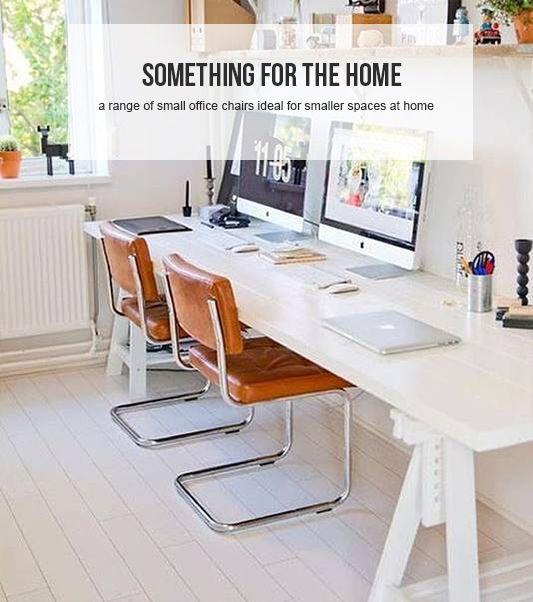
The shift toward remote and hybrid work models has fundamentally changed how professionals view their living spaces. No longer is the home office an afterthought tucked into a spare corner; it is now a primary environment where productivity, creativity, and professional identity must flourish. As the boundaries between personal comfort and corporate efficiency blur, the demand for sophisticated interior design specifically tailored to work environments has surged. Business owners, freelancers, and corporate employees alike are recognizing that a well-designed workspace is not merely a luxury but a fundamental component of professional success. Effective home office styling goes beyond selecting a desk and chair; it involves curating an atmosphere that supports mental clarity, physical health, and long-term career growth.
Investing in professional design concepts for your workspace is no longer reserved for high-level executives in corporate towers. The democratization of design has placed a premium on personalized spaces that reflect individual brand identity while maximizing efficiency. Whether you are renovating an entire room or optimizing a compact alcove, the principles of spatial planning, color psychology, and ergonomic integration are critical. Understanding how to transform a cluttered spare room into a powerhouse of productivity requires a strategic approach. This guide explores the nuanced world of home office styling, providing you with the step-by-step knowledge required to create a space that is not only beautiful but functionally superior in today’s competitive professional landscape.
Understanding Home Office Styling and Its Importance
The concept of interior design for professional spaces extends far deeper than aesthetic appeal; it is intrinsically linked to neurological performance and psychological well-being. When we discuss the transformation of a workspace, we are addressing the science of environmental psychology. The colors on your walls, the texture of your furnishings, and the quality of your lighting directly influence cortisol levels, focus, and emotional resilience. A poorly styled office can lead to increased fatigue, lack of motivation, and physical strain, whereas a meticulously planned environment encourages a state of flow. The importance of this practice lies in its ability to signal to your brain that it is "time for business," a psychological trigger that is often lost when working from a laptop on the sofa.
For professionals who spend eight to ten hours a day in this environment, the stakes are high. The market demand for polished, functional home offices has skyrocketed as employees realize that their environment impacts their output and, consequently, their earning potential. A space that lacks proper organization or visual harmony creates a low-grade stress response that saps energy. Conversely, a space that utilizes balanced lighting, ergonomic furniture, and cohesive color palettes fosters a sense of authority and calm. This is why home office styling should be treated as an investment in operational efficiency. It is the process of designing a command center that aligns your physical surroundings with your professional ambitions, ensuring that every element, from the flooring to the shelving, serves a dual purpose of utility and inspiration.
The Psychological Impact of Professional Workspace Design
The visual and functional elements of your environment have a profound impact on cognitive function and professional output. When a workspace is disorganized or visually chaotic, the brain must expend valuable energy filtering out irrelevant stimuli, leaving less mental bandwidth for complex problem-solving. Professional design solves this by implementing systems of visual hierarchy and organization that reduce cognitive load. For instance, the strategic use of vertical storage or integrated cable management systems removes micro-distractions that subtly break concentration throughout the day. This is the underappreciated value of professional it operates as a silent administrative assistant, keeping your mind clear by keeping your space clear.
Moreover, the aesthetic choices within an office play a significant role in shaping professional identity. If you are a business owner meeting clients via video conferencing, the background of your room is a direct reflection of your brand. A thoughtfully styled bookshelf, coordinated color palette, and sophisticated lighting convey a message of competence and attention to detail that a blank wall or messy room cannot. This psychological layer of design is often overlooked by those who attempt DIY projects without a holistic plan. The emotional response elicited by a professional environment whether it is confidence during negotiations or calm during deadlines is a direct result of meticulous planning. By curating a space that signals success, you begin to internalize that success, impacting how you present yourself to the outside world.
Services or Features Related to Professional Transformation
When undertaking the journey to elevate your working environment, you have access to a wide array of professional services and design features that extend far beyond basic interior decorating. The industry has evolved to offer specialized consultations that address the unique ergonomic needs of the individual. For example, a professional designer will conduct a workflow analysis to determine where your desk should sit in relation to natural light to reduce glare and eye strain. This level of incorporates acoustic engineering, such as the placement of fabric wall panels or rugs to dampen echo for clearer conference calls. These are technical elements that the average homeowner may not consider but are standard practice for experts in the field.
Furthermore, the features available in the market now include customized built-in millwork, which maximizes storage while minimizing footprint. The integration of smart technology is another critical feature; professionals can now install automated lighting systems that shift from cool blue tones in the morning to warmer amber tones in the afternoon to sync with the body’s circadian rhythm. These services often extend to the selection of materials that promote sustainability and air quality, such as low-VOC paints and furniture made from recycled materials. The goal is to create a holistic environment where technology, comfort, and health coexist. By leveraging these specialized services, you transform a functional room into a high-performance machine tailored specifically to your daily habits and professional demands.
Choosing the Right Approach for Your Workspace
Selecting the right strategy for your space requires a nuanced understanding of your professional needs, the architectural constraints of your home, and your personal brand aesthetic. The process begins with a thorough audit of your daily workflow. Do you require dual monitors and extensive file storage, or is your work primarily cloud-based and minimal? The answer dictates the type of furniture solutions and desk layouts you should consider. For those working in compact spaces, the right approach often involves verticality utilizing floating shelves and wall-mounted cabinets to keep the floor plan open. This is where informed proves invaluable; it differentiates between decorating a space and engineering a space for function.
You must also consider the psychological effect of color and texture. A professional in a high-stress financial role might benefit from cool, muted tones like sage green or soft slate blue, which promote calm and stability. Conversely, a creative director might thrive in an environment with bold accents and textured wallpapers that stimulate innovation. The right approach is inherently personal; it should feel like a physical extension of your resume and personality. When choosing between styles whether minimalist modern, traditional executive, or industrial chic consistency is key. Mixing too many disparate elements can reintroduce the visual chaos you are trying to eliminate. The ultimate goal is to select a cohesive theme that supports your specific job function while remaining adaptable to future changes in your career.
Quality, Safety, and Industry Standards for Office Equipment
The longevity and performance of your workspace are heavily dependent on the quality of the components you select, which is why industry standards regarding ergonomics and material safety should never be compromised. Investing in a cheap chair may save money initially, but it often leads to severe postural problems and chronic back pain, which translate to lost workdays and medical expenses. The industry standard for ergonomic seating involves adjustable lumbar support, seat depth, and armrest height to accommodate a diverse range of body types. Similarly, desks should adhere to height guidelines that allow for a 90-degree angle at the elbows to prevent carpal tunnel syndrome. Ignoring these standards in the pursuit of aesthetics is a critical error in to ergonomics, material safety plays a crucial role in the health of your environment. Many mass-produced furniture items contain formaldehyde and other volatile organic compounds (VOCs) that off-gas into the air, leading to headaches and respiratory issues. High-quality, professional-grade furniture often meets stringent certifications for indoor air quality, such as GREENGUARD or BIFMA standards. The quality of lighting is equally important; fixtures should provide adequate lumens without creating harsh contrast or flicker, which can trigger migraines. Adhering to these safety and quality standards ensures that your investment protects your physical capital your body while also enhancing the longevity of the furniture itself. A professionally styled office is a safe office, built to withstand the rigors of daily use without becoming a liability to your health.
Benefits of Hiring or Using Professional Services
Engaging a professional designer for your remote workspace yields a return on investment that far exceeds the initial cost, primarily through the efficiency of resource allocation and the avoidance of costly mistakes. The most common pitfall in DIY design is the purchasing of furniture that does not fit the space, either physically or aesthetically. This results in the tedious process of returns, restocking fees, and lost time. A professional handles the spatial planning, ensuring that every piece fits perfectly through advanced 3D modeling before a single dollar is spent. This level of precision in eliminates waste and ensures that the final product looks cohesive from the moment it is installed.
Moreover, professionals have access to trade-only resources and materials that are not available to the general public. This access allows for a higher degree of customization and quality. They can commission bespoke desks that perfectly fit an awkward corner or specify commercial-grade carpet tiles that can withstand the rolling of a chair without wearing thin. The benefit extends beyond the tangible items; it encompasses the peace of mind that comes from knowing your environment has been optimized by an expert. A well-designed office often leads to increased productivity, which, over the course of a year, can be quantified in significant financial gain. By offloading the mental burden of design decisions to a professional, you free yourself to focus on what you do best: running your business and advancing your career.
Future Trends and Industry Development
The evolution of the home office is accelerating, driven by rapid advancements in smart technology and a deeper understanding of biophilic design principles. The future of workspace design is trending toward environments that actively monitor and adjust to the user's physiological state. We are seeing the emergence of smart desks that remind users to switch between sitting and standing, paired with air purifiers that automatically adjust filtration based on real-time air quality data. The integration of these technologies into residential spaces is becoming seamless, moving away from bulky gadgets toward sleek, embedded systems. The next wave of will likely see artificial intelligence curating lighting and temperature settings based on calendar schedules and stress levels, creating an environment that anticipates needs before the user is even aware of them.
Furthermore, the emphasis on sustainability is reshaping the materials industry. The future will see a decrease in petroleum-based synthetics and an increase in bio-fabricated materials, such as leather made from mycelium or acoustic panels made from agricultural waste. The concept of the "living office" is becoming mainstream, where entire walls are dedicated to vertical gardens that improve air quality and reduce stress. As remote work remains a permanent fixture of the global economy, the delineation between "home furniture" and "office furniture" is dissolving. The trend is moving toward high-performance, luxurious, and sustainable pieces that look beautiful in a residence but function like a professional command center. For the modern professional, staying abreast of these trends is essential to maintaining a competitive edge in an increasingly distributed workforce.
Conclusion
Transforming your workspace into a hub of productivity is a multi-faceted endeavor that merges art, science, and commerce. It requires a deep understanding of how physical space interacts with mental performance and professional perception. From the psychological triggers of color and light to the strict ergonomic standards that protect physical health, every decision contributes to the overall efficacy of your workday. Whether you undertake the project yourself or enlist the help of industry experts, the principles outlined in this guide provide a roadmap to achieving a space that inspires confidence and drives success. The investment in high-quality furniture, thoughtful layout, and refined aesthetics is an investment in your most valuable asset: your ability to perform.
Ultimately, mastering home office styling is about more than just creating a pretty room; it is about constructing a sustainable foundation for your career. As the professional world continues to embrace flexibility, the home office will only grow in significance as a symbol of autonomy and professionalism. A well-styled office signifies to yourself, your clients, and your colleagues that you take your work seriously and understand the impact of environment on excellence. By applying the strategies discussed, you ensure that your workspace is not a hindrance but a catalyst for achievement, positioning you perfectly for the future of work.

 English
 Arabic
 French
 Spanish
 Portuguese
 Deutsch
 Turkish
 Italiano
 Russian
 Romaian
 Portuguese (Brazil)
 Greek
Greek
