


Understanding Endocrinology: The Science of Hormones and Their Impact on Health
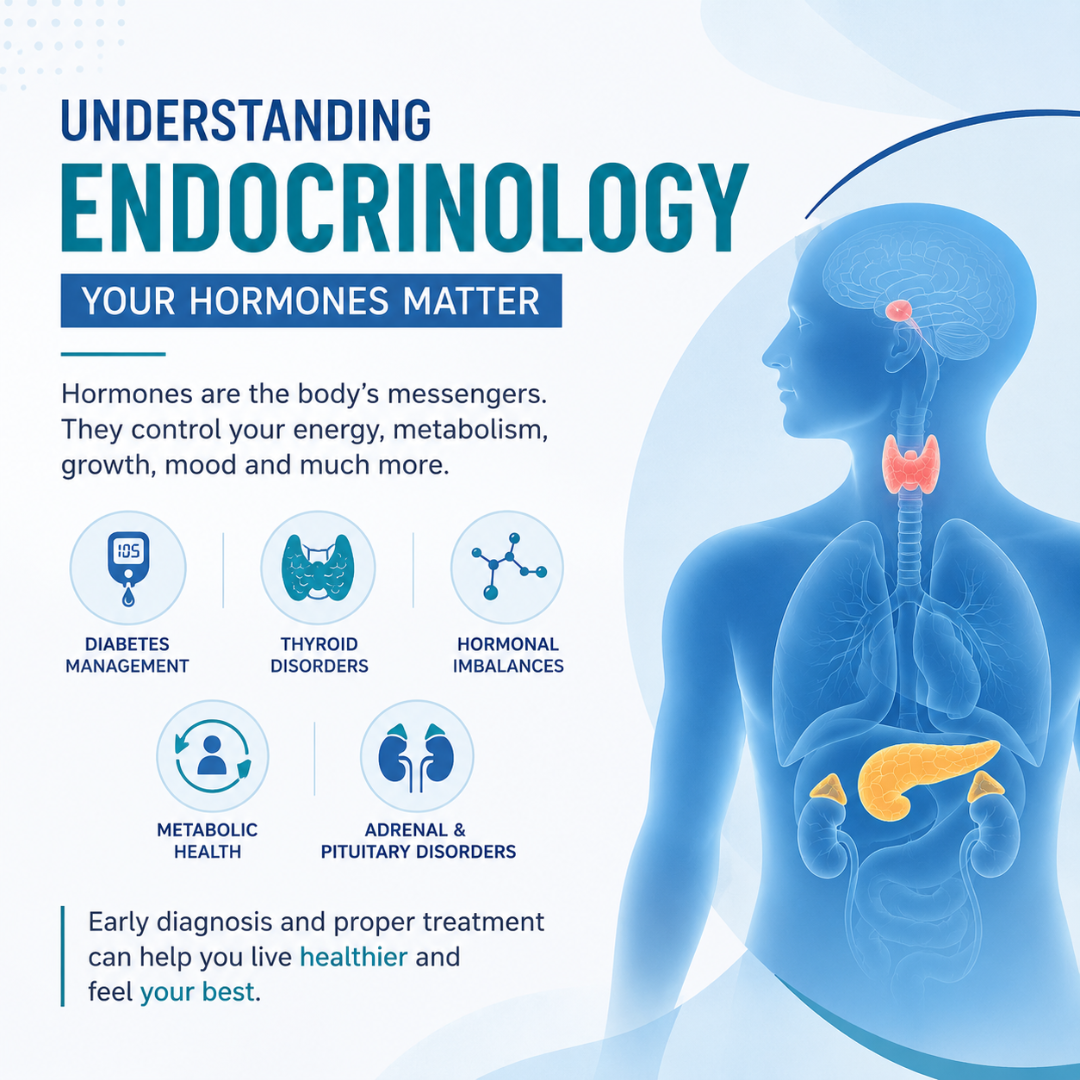
The human body is a complex system where countless processes occur every second to keep us healthy and functioning properly. One of the most important systems responsible for maintaining balance in the body is the endocrine system. Endocrinology is the branch of medicine that focuses on the endocrine system, hormones, and the disorders that arise when hormone production becomes abnormal. Hormones act as chemical messengers that travel through the bloodstream and regulate numerous bodily functions, including metabolism, growth, reproduction, mood, and energy levels.
Understanding endocrinology is essential because hormonal imbalances can affect people of all ages. Conditions such as diabetes, thyroid disorders, osteoporosis, and hormonal deficiencies impact millions worldwide. By learning more about the endocrine system and how it works, individuals can better recognize symptoms, seek timely treatment, and maintain overall well-being.
What Is the Endocrine System?
The endocrine system is a network of glands that produce and release hormones into the bloodstream. These hormones communicate with organs and tissues throughout the body, helping regulate vital functions.
Major endocrine glands include:
- Pituitary gland
- Thyroid gland
- Parathyroid glands
- Adrenal glands
- Pancreas
- Ovaries
- Testes
- Hypothalamus
Each gland produces specific hormones that influence different aspects of health. The endocrine system works closely with the nervous system to maintain internal balance, also known as homeostasis.
The Role of Hormones in the Body
Hormones are responsible for coordinating many bodily functions. They help regulate:
Metabolism
Hormones produced by the thyroid gland influence how efficiently the body converts food into energy. An imbalance can lead to weight gain, weight loss, fatigue, or increased appetite.
Growth and Development
Growth hormone produced by the pituitary gland plays a crucial role in childhood development and maintaining muscle and bone health in adults.
Blood Sugar Regulation
Insulin, produced by the pancreas, controls blood glucose levels. Problems with insulin production or function can result in diabetes.
Reproductive Health
Hormones such as estrogen, progesterone, and testosterone regulate fertility, sexual development, and reproductive functions.
Mood and Mental Health
Hormonal fluctuations can influence emotions, stress levels, sleep patterns, and cognitive function.
Common Endocrine Disorders
Several conditions can develop when hormone production becomes excessive or insufficient.
Diabetes Mellitus
Diabetes is one of the most common endocrine disorders worldwide. It occurs when the body cannot properly regulate blood sugar levels.
There are three main types:
- Type 1 Diabetes
- Type 2 Diabetes
- Gestational Diabetes
Symptoms may include excessive thirst, frequent urination, fatigue, blurred vision, and unexplained weight changes. Effective management includes medication, lifestyle modifications, and regular monitoring.
Hypothyroidism
Hypothyroidism occurs when the thyroid gland produces too little thyroid hormone.
Common symptoms include:
- Fatigue
- Weight gain
- Dry skin
- Depression
- Sensitivity to cold
Treatment typically involves hormone replacement therapy.
Hyperthyroidism
Hyperthyroidism results from excessive thyroid hormone production.
Symptoms may include:
- Rapid heartbeat
- Weight loss
- Anxiety
- Excessive sweating
- Tremors
Treatment options may include medications, radioactive iodine therapy, or surgery.
Polycystic Ovary Syndrome (PCOS)
PCOS is a hormonal disorder affecting many women of reproductive age. It can cause irregular menstrual cycles, acne, weight gain, and fertility issues.
Lifestyle changes and medical treatment can help manage symptoms and improve reproductive health.
Adrenal Disorders
The adrenal glands produce hormones that help regulate stress responses, blood pressure, and metabolism.
Conditions such as Addison's disease and Cushing's syndrome can significantly impact health if left untreated.
Symptoms of Hormonal Imbalances
Hormonal disorders often develop gradually, making them difficult to recognize initially. Some common warning signs include:
- Persistent fatigue
- Unexplained weight changes
- Mood swings
- Sleep disturbances
- Hair loss
- Changes in appetite
- Irregular menstrual cycles
- Excessive thirst
- Increased urination
Recognizing these symptoms early can lead to prompt diagnosis and more effective treatment.
Diagnosing Endocrine Disorders
Healthcare providers use several methods to diagnose endocrine conditions.
Medical History and Physical Examination
A thorough review of symptoms, family history, and overall health helps identify potential hormonal issues.
Blood Tests
Hormone levels can often be measured through blood tests, providing valuable diagnostic information.
Imaging Studies
Ultrasounds, CT scans, and MRI scans may be used to examine endocrine glands for abnormalities.
Specialized Testing
Certain endocrine disorders require advanced testing to evaluate hormone production and gland function.
Treatment Approaches
Treatment depends on the specific condition and severity of symptoms.
Medication
Many endocrine disorders can be managed with medications that replace deficient hormones or reduce excessive hormone production.
Lifestyle Changes
Healthy lifestyle habits play a significant role in managing hormonal health. Recommendations often include:
- Balanced nutrition
- Regular exercise
- Stress management
- Adequate sleep
- Weight management
Surgical Intervention
Some endocrine conditions, such as thyroid nodules or tumors, may require surgery.
Ongoing Monitoring
Regular medical follow-ups help ensure treatment effectiveness and allow timely adjustments when necessary.
Maintaining a Healthy Endocrine System
Although some hormonal disorders are unavoidable, healthy habits can support endocrine function.
Eat a Nutrient-Rich Diet
Consuming fruits, vegetables, whole grains, lean proteins, and healthy fats provides essential nutrients for hormone production.
Stay Physically Active
Regular exercise improves insulin sensitivity, supports metabolism, and promotes hormonal balance.
Manage Stress
Chronic stress can disrupt hormone production. Relaxation techniques such as meditation and deep breathing can help maintain balance.
Prioritize Sleep
Quality sleep supports the body's natural hormone regulation processes.
Schedule Regular Checkups
Routine health screenings can identify endocrine disorders before complications develop.
Conclusion
Endocrinology plays a vital role in understanding how hormones influence nearly every aspect of human health. From regulating metabolism and growth to controlling blood sugar and reproductive functions, the endocrine system is essential for maintaining balance within the body. Disorders affecting hormone production can significantly impact quality of life, but early diagnosis and proper treatment often lead to excellent outcomes.
By recognizing symptoms, adopting healthy lifestyle habits, and seeking professional medical care when needed, individuals can better protect their hormonal health and overall well-being. Greater awareness of endocrinology empowers people to take proactive steps toward a healthier and more balanced life.

 English
 Arabic
 French
 Spanish
 Portuguese
 Deutsch
 Turkish
 Dutch
Dutch
 Italiano
 Russian
 Romaian
 Portuguese (Brazil)
