


Inventory Management Features That Matter as a Business Scales
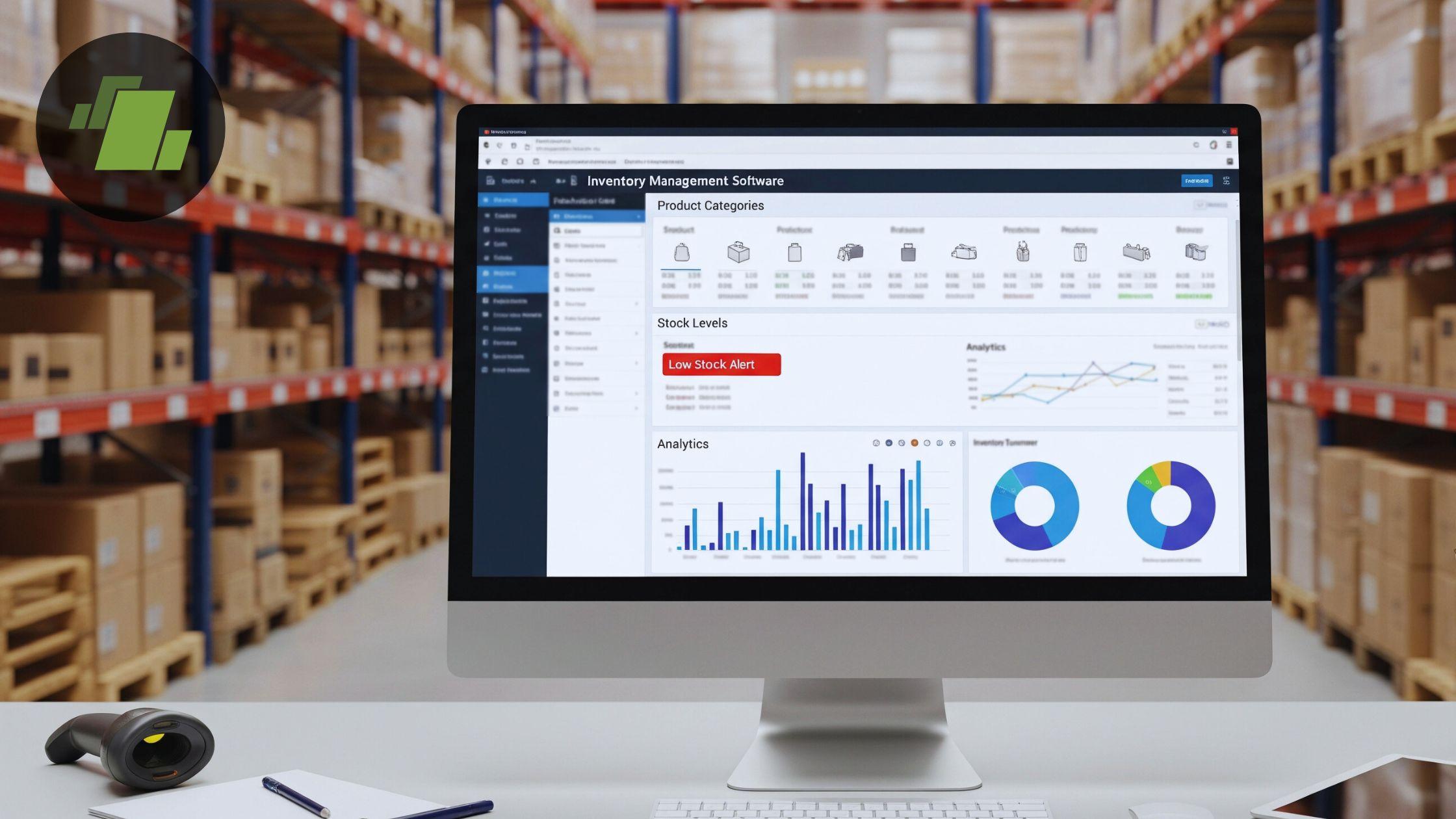
As a business grows, inventory management becomes more complex. A small business may initially manage a limited number of products with basic stock records, but increasing sales, suppliers, locations, employees, and product variations can quickly make manual inventory tracking difficult.
What works for a business handling a few products may not be sufficient when the product catalogue expands and transaction volumes increase.
This is why choosing the best inventory management software is an important decision for a growing business.
The right software should not only show the current stock quantity. It should help businesses manage purchases, sales, stock movement, product records, reporting, and other inventory-related activities through a structured workflow.
BUSY can be a practical option for businesses that need inventory management integrated with accounting, billing, purchases, and sales.
Real-Time or Timely Stock Visibility
One of the most important features to look for in the best inventory management software is clear visibility into available stock.
As a business scales, employees need reliable information about product quantities when making sales, processing orders, or planning purchases.
If stock records are outdated, businesses may sell products that are unavailable or purchase items that are already in sufficient quantity.
A suitable inventory system should help maintain updated stock records based on the transactions entered into the system.
Businesses should also establish processes to ensure that purchases, sales, returns, and stock adjustments are recorded on time.
Product-Wise Inventory Management
Growing businesses often manage an increasing number of products.
Different products may have unique names, codes, sizes, models, colours, or other variations. Without proper product organisation, employees can select the wrong items during purchasing, billing, or stock verification.
The best inventory management software should make it easier to maintain organised product records.
Businesses should be able to use clear product names and identification methods that match their operational workflow.
A structured product catalogue can reduce confusion and support more accurate inventory management as the business expands.
Purchase and Sales Integration
Inventory does not operate independently from the rest of the business.
Purchases increase stock, while sales generally reduce available inventory.
When these activities are managed through separate systems, employees may need to update stock records manually after every transaction.
This increases the risk of errors and duplicate data entry.
The best inventory management software should connect inventory with relevant purchase and sales processes.
BUSY provides integrated capabilities for managing purchases, sales, billing, accounting, and inventory, helping businesses maintain more connected business records.
Support for Multiple Stock Locations
As a business grows, inventory may no longer be stored in a single location.
Businesses may operate multiple warehouses, retail stores, branches, or storage facilities.
Managing stock across different locations requires better visibility into where products are stored and how inventory is moving.
When evaluating the best inventory management software, businesses with multiple locations should check whether the available edition or configuration supports their specific stock location requirements.
A system that provides appropriate location-wise inventory visibility can help businesses make better decisions about transfers, replenishment, and stock availability.
Inventory Transfers and Stock Movement Tracking
Growing businesses may need to move inventory between warehouses, branches, stores, or other locations.
If these movements are not recorded properly, stock mismatches can quickly occur.
A suitable inventory management system should help businesses maintain organised records of relevant stock movements.
This can make it easier to understand where products are located and identify the reason for changes in inventory levels.
Businesses should also establish clear approval and recording procedures for internal stock transfers.
Batch, Serial Number and Product Tracking
Depending on the industry, some businesses may need more detailed control over individual products or groups of products.
For example, certain businesses may require batch tracking, serial number management, or other product-level identification.
These features can be important for industries dealing with electronics, medical products, food, manufacturing components, or other specialised inventory.
Not every business needs this level of control.
Before choosing the best inventory management software, businesses should identify whether advanced tracking features are actually necessary and verify that the selected software or edition supports their specific workflow.
Reorder and Stock Planning Features
Running out of important products can result in lost sales, while overstocking can tie up working capital.
As transaction volumes grow, manually monitoring every product becomes increasingly difficult.
Useful inventory features can help businesses review stock levels and identify products that may require attention.
Businesses should consider how the software supports their purchasing and replenishment workflow.
The exact capabilities required will depend on the business, product demand, supplier lead times, and inventory planning process.
The best inventory management software should support better stock decisions without creating unnecessary complexity.
Better Handling of Returns and Stock Adjustments
Returns, damaged goods, expired products, and other adjustments can affect inventory accuracy.
If these transactions are not recorded correctly, the stock quantity shown in the system may not match the actual physical inventory.
A growing business should have a clear process for managing these situations.
The inventory system should support organised recording of applicable stock movements and adjustments.
However, software should be supported by proper internal procedures. Employees need to understand when and how inventory adjustments should be made.
Integration With Accounting
Inventory has a direct connection with the financial side of the business.
Purchases, sales, stock values, and other inventory-related transactions can affect accounting records.
Using separate applications for inventory and accounting may create additional manual work.
The best inventory management software for many growing businesses is often one that integrates with their accounting workflow.
BUSY can help businesses manage inventory alongside accounting, billing, purchases, and sales through an integrated system.
This can reduce duplicate data entry and help maintain more consistent business records.
Reporting and Inventory Insights
As a business scales, business owners need more than a simple stock quantity.
They may need to review product movement, stock levels, purchases, sales, and other inventory-related information.
Reporting features can help businesses identify products that require attention and review overall inventory activity.
The usefulness of reports depends on how accurately transactions are recorded.
The best inventory management software should provide access to information that supports practical business decisions rather than overwhelming users with unnecessary data.
User Access and Process Control
A growing business usually has more employees handling different responsibilities.
Some employees may process sales, while others manage purchases, warehouses, accounts, or inventory.
Giving every user unrestricted access to modify stock records can increase the risk of accidental or unauthorised changes.
Businesses should evaluate available user access and control features based on their requirements.
Clear responsibilities and appropriate permissions can improve accountability and help maintain more reliable inventory records.
Scalability for Future Growth
One of the biggest mistakes businesses make is choosing software only for their current requirements.
A system may work well when the business has one location and a limited number of products but become restrictive as operations expand.
Before choosing the best inventory management software, businesses should consider their future plans.
They should evaluate whether they expect to add more products, warehouses, users, branches, or transaction volume.
Choosing a system that can support growth may reduce the need for a difficult software migration later.
Ease of Use and Employee Adoption
Advanced features have little value if employees find the software difficult to use.
Inventory systems should fit naturally into daily business operations.
Common activities such as recording purchases, processing sales, checking stock, and reviewing inventory information should be manageable for the employees responsible for these tasks.
Before selecting software, businesses should consider the learning curve, training requirements, and available support.
The best inventory management software should provide the right balance between functionality and usability.
Why BUSY Can Be a Practical Option for Growing Businesses
BUSY offers integrated accounting and business management capabilities that can support businesses as their operations grow.
It can help manage accounting, billing, purchases, sales, inventory, and GST-related transactions through a connected workflow.
For retailers, traders, wholesalers, distributors, and manufacturers, having these functions within the same system can reduce the need to maintain multiple disconnected applications.
However, businesses with highly specialised requirements, such as advanced warehouse automation, complex fulfilment operations, or specialised industry workflows, should carefully evaluate whether additional tools or integrations are required.
The right BUSY edition and configuration should also be selected based on the business's specific requirements.
Final Verdict
The best inventory management software for a growing business should do more than track how many products are currently in stock.
It should support organised product records, purchase and sales integration, stock movement tracking, location management where required, reporting, inventory controls, and future scalability.
BUSY can be a practical option for businesses that want inventory management integrated with accounting, billing, purchases, sales, and GST-related processes.
Before making a decision, businesses should identify the features they need today and the requirements they are likely to have as they grow.
Choosing the right best inventory management software can help businesses reduce stock mismatches, improve operational visibility, minimise manual work, and create a stronger foundation for future growth.

 English
 Arabic
 French
 Spanish
 Portuguese
 Deutsch
 Turkish
 Dutch
Dutch
 Italiano
 Russian
 Portuguese (Brazil)
 Greek
Greek
