


Commercial Roof Inspection Services: A Guide for Property Owners
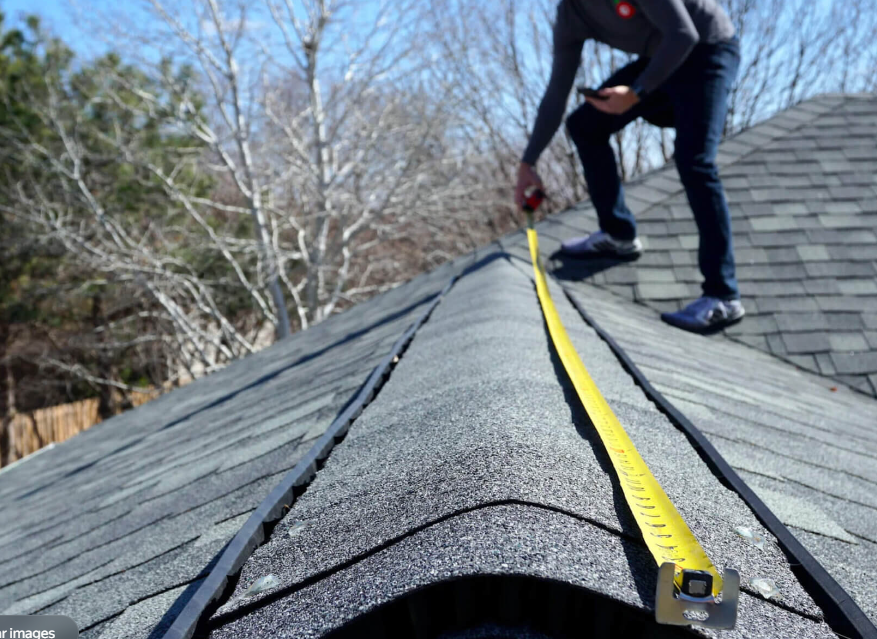
A commercial roof is a major investment that protects a building, its occupants, equipment, inventory, and daily operations from weather exposure. Unlike residential roofs, commercial systems often cover larger areas and may contain specialized membranes, drainage assemblies, rooftop equipment, penetrations, and other components that require careful evaluation. Commercial roof inspection services provide property owners and managers with an organized way to understand the condition of these systems before minor concerns develop into significant problems. Regular professional inspections can reveal deterioration, moisture risks, damaged flashing, drainage issues, and other conditions that may not be obvious from ground level.
The importance of commercial roof inspection services becomes even clearer when a property experiences severe weather, develops unexplained interior moisture, or approaches the later stages of its expected service life. Business owners and property managers need reliable information when deciding whether a roof requires maintenance, repair, restoration, or replacement. An inspection can provide useful documentation and help prioritize work according to urgency and budget. Rather than relying on assumptions or waiting for a major leak, commercial property owners can use professional evaluations as part of a proactive strategy for protecting their buildings and managing long-term roofing expenses.
Why Commercial Roof Inspections Matter
A commercial roof can deteriorate gradually without producing obvious signs inside the building. Small membrane punctures, deteriorated seams, damaged flashing, blocked drains, or weakened seals may remain unnoticed until rainfall exposes the underlying problem. Once moisture reaches insulation, decking, ceilings, electrical systems, or interior finishes, the scope of the issue can become considerably larger. Routine inspections provide an opportunity to identify vulnerable areas before they create significant operational disruption. Professional inspectors can assess the roof surface, drainage system, penetrations, perimeter details, and other components according to the characteristics of the building. This information gives property owners a clearer understanding of current conditions and allows them to plan maintenance rather than responding exclusively to emergencies.
What a Commercial Roof Inspection Covers
The inspection process should be adapted to the specific roofing system and property rather than relying on a generic visual check. A professional may examine the roof membrane or other primary covering for cracks, punctures, deterioration, displaced materials, seam concerns, or unusual wear. Flashing around walls, curbs, vents, skylights, and mechanical equipment can also receive close attention because these transition points are common areas for water intrusion. Drainage components, including drains, scuppers, gutters, and related pathways, should be evaluated for blockages or conditions that could interfere with water removal. Inspectors may also look for ponding water, damaged insulation indicators, exposed materials, or evidence of previous repairs. Where appropriate and safely accessible, interior areas and roof-adjacent spaces can provide additional clues about moisture movement. A comprehensive inspection should produce useful observations rather than simply confirming whether the roof looks acceptable from a distance.
When to Schedule Commercial Roof Inspection Services
There is no single inspection schedule that suits every commercial property because roofing systems differ in age, material, design, environmental exposure, and usage. However, inspections are particularly valuable after major storms, when a property develops signs of water intrusion, before purchasing or selling a commercial building, and when a roof approaches an age at which deterioration becomes more likely. An inspection may also be appropriate before and after significant roofing work to document conditions and confirm the quality of completed repairs. Properties with complex rooftop equipment or difficult drainage arrangements may benefit from closer monitoring because there are more components that can contribute to roofing problems. Scheduling professional evaluations at sensible intervals helps property owners maintain a record of changing conditions and make decisions based on evidence rather than waiting for visible failure.
Identifying Storm and Weather Damage
Severe weather can affect commercial roofing in ways that are not immediately apparent. High winds may loosen perimeter materials, damage flashing, or create openings along seams, while hail can impact membranes, metal components, rooftop equipment, and other exposed surfaces. Heavy rainfall can reveal drainage problems that were previously difficult to detect. After a significant storm, a professional inspection can help identify visible damage and determine whether less obvious components require further evaluation. Property owners should avoid sending untrained personnel onto a damaged roof because wet surfaces, loose materials, and unstable areas can create safety hazards. Instead, professional assessment allows trained personnel to examine the roofing system systematically and document concerns. Early identification is especially useful for businesses because unresolved roof damage can eventually interfere with operations, inventory, or interior building systems.
Using Inspection Findings to Plan Repairs
An inspection should help property owners understand what action, if any, is appropriate. Not every identified defect requires immediate roof replacement. Some problems may be addressed through localized repairs, preventive maintenance, or improvements to drainage and flashing. More extensive deterioration may require restoration or replacement, particularly when multiple areas are failing or the existing system has limited remaining service potential. Contractors should explain the relationship between observed conditions and recommended work so property owners can distinguish urgent concerns from items that can be monitored. This distinction is important for commercial budgeting because unnecessary work can consume resources, while delaying essential repairs may increase future costs. A well-documented inspection provides a foundation for prioritizing projects according to the severity of the problem, operational impact, and long-term condition of the roofing system.
The Role of Drainage in Commercial Roof Health
Water management is one of the most important considerations during a commercial roof inspection. Flat and low-slope systems depend heavily on properly functioning drainage components to move rainwater away from the building. Blocked drains, clogged gutters, damaged scuppers, or inadequate drainage pathways can contribute to standing water and place additional stress on roofing materials. During an inspection, technicians should examine drainage points and identify conditions that may prevent water from leaving the roof efficiently. Persistent ponding should not simply be treated as a cosmetic concern because repeated moisture exposure can contribute to material deterioration and increase the risk of leaks. Maintaining clear drainage pathways between inspections is also important, particularly for properties surrounded by trees or exposed to substantial debris. Good drainage management supports the overall performance of the roofing system and can reduce avoidable moisture-related problems.
Evaluating the Inspection Report
A useful inspection report should give the property owner information that can support practical decision-making. Photographs can make damaged or deteriorated areas easier to understand, while written descriptions should explain the location and nature of significant findings. The report should ideally distinguish routine maintenance needs from conditions requiring prompt attention. Property managers can use this information to create maintenance schedules, estimate future expenses, and communicate roofing concerns to building owners or stakeholders. Keeping reports from multiple inspections also creates a useful historical record. Comparing current observations with earlier documentation can reveal whether a condition is stable, improving, or deteriorating. Property owners should ask questions whenever a recommendation is unclear and should understand the reasoning behind major repair or replacement proposals before authorizing significant work.
Choosing a Commercial Roofing Inspection Provider
The quality of an inspection depends heavily on the knowledge and approach of the professional performing it. Property owners should consider whether a provider has experience with commercial roofing systems similar to the one installed on their building. Communication is equally important because technical findings need to be explained in a way that property managers and business owners can use. A professional inspection provider should identify observed conditions clearly, avoid unsupported conclusions, and distinguish between necessary work and optional improvements. It is also helpful to select a company capable of discussing maintenance and repair options when problems are discovered. Businesses such as Legacy Roofing & General Contracting may be considered by commercial property owners seeking roofing expertise for inspection and related services. The goal should be an accurate evaluation that helps the owner make a sound decision rather than an inspection designed primarily to generate unnecessary work.
Long-Term Benefits of Proactive Roof Management
A proactive inspection and maintenance strategy can help commercial property owners manage roofing assets more effectively over time. Regular evaluations provide opportunities to detect deterioration early, maintain drainage systems, document repairs, and plan larger projects before an emergency occurs. This approach can also help businesses budget for future roofing expenses because property managers have better information about the system's current condition and likely maintenance requirements. No inspection program can eliminate the possibility of unexpected damage, particularly after severe weather, but consistent monitoring can reduce the likelihood that manageable problems remain unnoticed for extended periods. A well-maintained roof also supports business continuity by reducing the chance that preventable roofing issues will disrupt employees, tenants, customers, equipment, or inventory.
Conclusion
Professional commercial roof inspection services give business owners and property managers a practical way to monitor one of the most important protective systems in a commercial building. A thorough evaluation can identify surface deterioration, drainage concerns, flashing problems, storm damage, moisture indicators, and other conditions that may require attention. Property owners should use inspection findings to prioritize repairs, schedule preventive maintenance, and determine when restoration or replacement may be appropriate. Choosing an experienced provider that offers clear documentation and straightforward communication is essential for turning inspection results into useful decisions. By treating roof inspections as part of an ongoing property management strategy rather than waiting for serious leaks or failures, businesses can better protect their buildings, control maintenance planning, and support the long-term performance of their commercial roofing systems.

 English
 Arabic
 French
 Spanish
 Deutsch
 Turkish
 Dutch
Dutch
 Italiano
 Russian
 Romaian
 Portuguese (Brazil)
 Greek
Greek
