


R501 Reference Electrode for Accurate Alkaline Testing
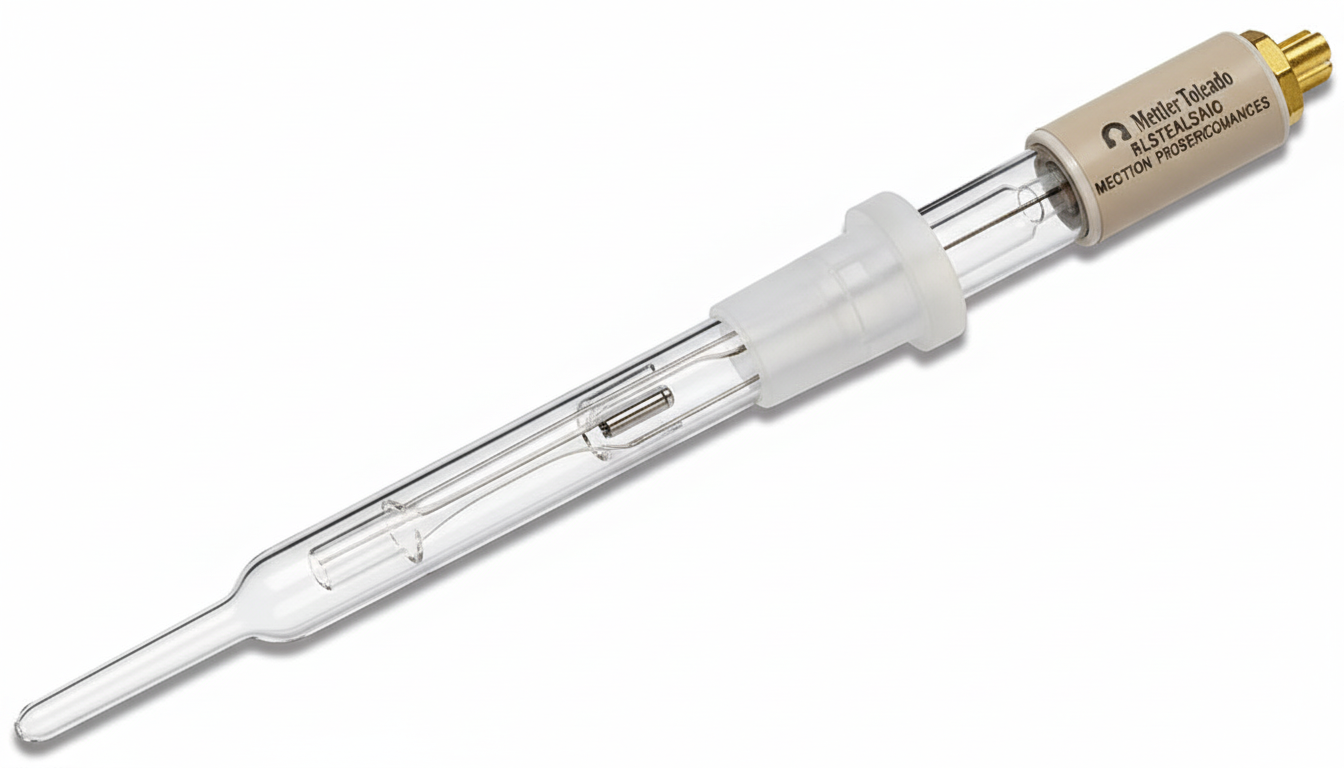
The R501 reference electrode is a mercury/mercuric oxide reference electrode designed primarily for electrochemical measurements in alkaline environments. Reference electrodes provide a stable and known potential so researchers can accurately measure the potential of a working electrode. The R501 is commonly associated with potassium hydroxide based electrolytes and can be useful in battery research, corrosion studies, water electrolysis, supercapacitor testing, and other electrochemical applications. Its mercury and mercury oxide system provides a reproducible reference potential when it is operated under appropriate conditions, making it a practical choice for laboratories that need dependable measurements in alkaline solutions.
What Is the R501 Reference Electrode?
The R501 is a mercury/mercuric oxide, commonly written as Hg/HgO, reference electrode. It contains a mercury and mercury oxide internal system together with an alkaline reference solution, commonly potassium hydroxide. The electrode is designed to maintain a relatively stable potential while current is ideally kept extremely small through the reference electrode. Product information for R501 models describes a single-junction construction with an internal potassium hydroxide solution and suitability for low to moderate alkaline solutions. The exact construction and operating range can vary by manufacturer, so researchers should always verify the specifications of the particular R501 model being used.
How the R501 Reference Electrode Works
The working principle of the R501 depends on the equilibrium between mercury, mercury oxide, and hydroxide ions in an alkaline electrolyte. This electrochemical equilibrium produces a defined reference potential that can be used as a stable baseline during measurements. In a typical three-electrode experiment, the working electrode is the material being investigated, the counter electrode completes the electrical circuit, and the R501 provides the reference potential. Because the reference electrode is intended to maintain a stable potential rather than carry substantial current, its condition and placement can strongly influence the quality of electrochemical measurements.
Why Use a Mercury Oxide Reference Electrode?
Mercury oxide reference electrodes are particularly useful when experiments are performed in alkaline media. Common reference systems such as silver/silver chloride and saturated calomel electrodes rely on chloride-containing internal solutions, which may be undesirable in certain alkaline experiments. A Hg/HgO reference system instead uses an alkaline environment and therefore fits naturally with potassium hydroxide based electrochemical research. This makes the R501 especially relevant to researchers working with alkaline batteries, electrocatalysts, corrosion systems, electrolysis, and other basic electrolytes.
R501 Reference Electrode in Alkaline Electrochemistry
Alkaline electrochemistry covers a wide range of research areas, including energy storage, catalysis, corrosion, and electrochemical conversion. The reference electrode must be compatible with the electrolyte because an unsuitable reference system can introduce contamination, junction effects, or unstable measurements. The R501 is intended for alkaline environments and is commonly supplied with potassium hydroxide as its internal reference solution. This compatibility makes it useful when researchers need to measure electrode potentials without introducing chloride-based reference chemistry into the experimental environment.
R501 Reference Electrode for Battery Research
Battery researchers frequently use three-electrode cells when they want to study the behavior of an individual electrode separately from the complete cell. A stable reference electrode allows the potential of the working electrode to be monitored during charging, discharging, cycling, and other electrochemical tests. The R501 can be useful in alkaline battery research and related investigations where potassium hydroxide electrolytes are employed. Its application can include studies of electrode reactions, catalyst performance, degradation behavior, and electrochemical stability.
R501 for Water Electrolysis Research
Water electrolysis research often involves alkaline electrolytes and electrocatalysts designed for hydrogen or oxygen evolution. During these experiments, researchers may need to determine the potential at which an electrode begins a particular reaction and evaluate how effectively a catalyst performs. An Hg/HgO reference electrode such as the R501 can provide the reference potential required for these measurements when the electrolyte and experimental conditions are compatible. Accurate reference measurements are particularly important when comparing catalysts because even small potential errors can influence the interpretation of electrochemical performance.
R501 in Corrosion Studies
Corrosion research requires accurate measurement of electrode potentials and electrochemical behavior. When corrosion experiments are conducted in alkaline solutions, an Hg/HgO reference electrode can be an appropriate option. The R501 allows researchers to monitor changes in potential while studying metals, alloys, protective coatings, and corrosion inhibitors. Stable reference conditions can help researchers distinguish changes caused by the material under investigation from changes caused by the measurement system itself.
R501 for Cyclic Voltammetry
Cyclic voltammetry is widely used to investigate oxidation and reduction behavior. During cyclic voltammetry, the potential applied to a working electrode is varied while the resulting current is recorded. The reference electrode establishes the potential scale used for the experiment. An R501 can therefore be incorporated into cyclic voltammetry measurements performed in suitable alkaline electrolytes. Correct reference placement is important because the distance between the reference junction and working electrode can affect uncompensated resistance and consequently influence measured potential.
R501 in Electrochemical Impedance Studies
Electrochemical impedance spectroscopy is another important technique used to investigate electrochemical systems. Researchers use impedance measurements to study charge transfer, interfaces, coatings, batteries, catalysts, and other electrochemical processes. A stable reference electrode helps maintain an appropriate potential reference during experiments involving controlled electrochemical conditions. The R501 can be useful for impedance studies in compatible alkaline systems, provided that the electrode is properly installed and maintained.
R501 Reference Electrode Potential
The potential associated with an Hg/HgO reference electrode depends on the internal electrolyte concentration, temperature, and the convention used for reporting electrode potentials. Some R501 product specifications identify a potential around positive zero point zero nine eight volts versus the standard hydrogen electrode under specified conditions. Because reference potential values can change with electrolyte activity and temperature, researchers should not assume that a single value applies universally. Experimental reports should identify the reference electrode and electrolyte conditions clearly so that potential data can be interpreted correctly.
Importance of Potassium Hydroxide in the R501
Potassium hydroxide plays an important role in the operation of many R501 reference electrodes. It provides the alkaline environment required for the mercury/mercuric oxide equilibrium. Commercial R501 descriptions commonly identify potassium hydroxide as the internal reference solution. The concentration and condition of this solution influence electrode performance, so contamination, evaporation, or inappropriate replacement can affect measurement reliability. Researchers should follow the manufacturer's instructions for filling, storage, and maintenance rather than assuming that all Hg/HgO reference electrodes have identical requirements.
Single Junction Design of the R501
The R501 is commonly described as a single-junction mercury/mercuric oxide reference electrode. The junction provides the ionic connection between the internal reference solution and the external electrolyte. Junction design is important because it influences liquid junction behavior, leakage, resistance, and compatibility with the test solution. Product information describes R501 models with a single junction and an internal potassium hydroxide solution, while double-junction mercury oxide designs are available for applications requiring additional separation between the internal electrolyte and test solution.
R501 Versus Silver Silver Chloride Electrodes
Silver/silver chloride reference electrodes are widely used in electrochemical laboratories, but they contain chloride-based reference chemistry. This can be undesirable when chloride contamination affects the experiment. The R501 offers an alternative for alkaline systems because its Hg/HgO chemistry is designed around an alkaline electrolyte. The best choice therefore depends on the experimental medium rather than simply on which reference electrode is most commonly available. Researchers should select a reference system that provides compatibility, stability, and suitable potential characteristics for their specific experiment.
R501 Versus Saturated Calomel Electrodes
Saturated calomel electrodes use a mercury and mercurous chloride system with potassium chloride, while the R501 uses mercury and mercuric oxide with an alkaline electrolyte. This fundamental difference makes the two electrodes suitable for different experimental environments. A calomel electrode can be useful in many conventional electrochemical applications, but the chloride-containing system may not be desirable for certain alkaline studies. The R501 is therefore particularly relevant when the experiment requires an alkaline-compatible reference system.
Choosing the Right R501 Model
Not every reference electrode sold under the R501 designation will necessarily have identical dimensions, junction characteristics, electrolyte concentration, or operating limitations. Some product descriptions identify a straight-form R501, while other variations may differ in construction or length. Researchers should check the product specifications before purchasing or integrating an electrode into an existing electrochemical cell. Factors such as electrolyte concentration, junction type, physical dimensions, connector compatibility, and temperature conditions can all affect suitability.
How to Prepare the R501 for an Experiment
Proper preparation helps establish reliable electrochemical measurements. Before use, the researcher should inspect the electrode for visible damage, confirm that the reference solution is appropriate and uncontaminated, and ensure that the junction is functioning properly. The electrode should be handled carefully because the reference system contains mercury-based components and alkaline electrolyte. If the electrode has been stored for an extended period, following the manufacturer's recommended conditioning procedure can help restore stable performance before measurements begin.
Proper Placement of the R501
Reference electrode placement can have a significant effect on electrochemical measurements. The reference junction should generally be positioned close enough to the working electrode to reduce the influence of solution resistance while avoiding direct interference with the working electrode surface or reaction products. In demanding measurements, a suitable salt bridge or Luggin arrangement may be considered when compatible with the experimental design. Proper positioning can improve potential control and reduce measurement errors associated with uncompensated resistance.
Maintaining the R501 Reference Electrode
Regular care is important for maintaining reference electrode performance. The junction should be kept clean and protected from contamination, while the internal reference solution should remain in suitable condition. Researchers should avoid allowing the junction to dry unless the manufacturer's instructions specifically permit such storage. Long exposure to unsuitable solutions can also damage or alter the reference system. Proper storage, careful handling, and periodic inspection can help extend the useful life of the electrode and improve measurement consistency.
Common Problems With R501 Reference Electrodes
Potential problems can occur when a reference electrode becomes contaminated, develops a blocked junction, experiences solution loss, or is used outside its intended electrolyte conditions. An unstable potential may also result from poor electrical contact, temperature changes, or improper electrode conditioning. If experimental results suddenly become inconsistent, the reference electrode should be considered as one possible source of the problem. Comparing its behavior with a known suitable reference or checking the electrode according to the manufacturer's recommended procedure can help identify measurement issues.
Safety Considerations for the R501
The R501 contains mercury-based electrochemical components, so it should be handled as a laboratory chemical device rather than as an ordinary disposable electrode. Mercury-containing equipment requires appropriate laboratory handling, storage, spill procedures, and disposal practices. The potassium hydroxide solution used by many R501 designs is also strongly alkaline and can cause chemical burns. Appropriate laboratory personal protective equipment and established chemical safety procedures should therefore be followed whenever the electrode is handled, transported, cleaned, or disposed of.
Applications of the R501 Reference Electrode
The R501 can support a variety of electrochemical investigations where an alkaline-compatible reference electrode is needed. Potential applications include alkaline battery research, electrocatalyst evaluation, water electrolysis, corrosion testing, cyclic voltammetry, electrochemical impedance measurements, supercapacitor studies, and fundamental electrode research. Its usefulness comes from combining a stable Hg/HgO reference system with an alkaline internal electrolyte, allowing researchers to measure electrode potentials under conditions where other reference systems may be less suitable.
Advantages of the R501 Reference Electrode
One major advantage of the R501 is its compatibility with alkaline electrolytes. Its mercury/mercuric oxide chemistry provides a well-established reference system, while the potassium hydroxide internal solution fits naturally with many basic electrochemical experiments. The compact construction of commonly available R501 designs can also make integration into laboratory cells convenient. When correctly maintained and used within its intended operating conditions, the electrode can provide consistent reference measurements for a broad range of alkaline electrochemical research.
Limitations of the R501 Reference Electrode
The R501 is not a universal reference electrode. Its Hg/HgO chemistry is intended for alkaline conditions, and using it in unsuitable acidic or neutral environments can lead to unreliable behavior or damage. Mercury content also creates additional safety and disposal considerations compared with some mercury-free reference systems. Researchers should therefore select the R501 because its chemistry matches the experimental requirements, rather than choosing it simply because it is available. Understanding the electrolyte, temperature, junction design, and measurement method is essential before use.
How to Improve R501 Measurement Accuracy
Accurate measurements depend on more than the reference electrode itself. Researchers should maintain a stable experimental temperature, use a compatible electrolyte, minimize contamination, position the reference junction appropriately, and ensure good electrical connections. The reference electrode should also be checked when unexpected potential drift appears. Consistent experimental procedures make it easier to compare results between measurements and identify whether changes originate from the working electrode or from the measurement system.
Frequently Asked Questions About R501 Reference Electrode
What is an R501 reference electrode?
The R501 is a mercury/mercuric oxide reference electrode designed for electrochemical potential measurements, particularly in alkaline electrolytes. It commonly uses potassium hydroxide as its internal reference solution and provides a stable reference potential for suitable electrochemical experiments.
What type of reference electrode is R501?
The R501 is generally a single-junction Hg/HgO reference electrode. Commercial descriptions identify it as a mercury/mercuric oxide electrode containing an alkaline potassium hydroxide reference solution.
What electrolyte is commonly used inside an R501?
Potassium hydroxide is commonly used as the internal reference solution in R501 designs. The concentration and specifications can vary depending on the particular manufacturer or model, so the product documentation should always be checked before use.
Can the R501 be used in alkaline solutions?
Yes. The R501 is specifically intended for alkaline electrochemical environments. Product specifications commonly describe it as suitable for low to moderate alkaline solutions, making it useful for many potassium hydroxide based experiments.
Is the R501 suitable for water electrolysis research?
The R501 can be suitable for alkaline water electrolysis research when the electrolyte and experimental conditions are compatible with the electrode. It can provide the reference potential needed to evaluate working electrode behavior and electrocatalytic performance.
Can R501 be used for cyclic voltammetry?
Yes, the R501 can be incorporated into cyclic voltammetry experiments conducted in compatible alkaline electrolytes. Its role is to provide a stable potential reference while the working electrode is subjected to the desired potential program.
What is the difference between R501 and R502?
Both are mercury/mercuric oxide reference electrode designs, but their junction arrangements differ. The R501 is commonly described as a single-junction design for lower to moderate alkaline concentrations, while the R502 uses a double-junction arrangement intended for stronger alkaline conditions.
Does temperature affect the R501 reference potential?
Yes. Reference electrode potential can vary with temperature because electrochemical equilibria are temperature dependent. For accurate research, the experimental temperature should be controlled and reported, and the manufacturer's temperature information should be considered when interpreting potential measurements.
How should an R501 reference electrode be stored?
Storage requirements depend on the specific model and manufacturer. In general, the electrode should be protected from contamination and should not be allowed to dry at the junction unless the manufacturer's instructions specifically recommend dry storage. Following the supplied storage guidance is the safest approach.
Is the R501 safe to handle?
The R501 requires laboratory care because it contains mercury-based components and commonly contains alkaline potassium hydroxide solution. Researchers should use appropriate protective equipment, avoid contact with the electrolyte, prevent spills, and follow institutional procedures for mercury-containing laboratory equipment.
Conclusion
The R501 reference electrode is an important electrochemical measurement tool for laboratories working with alkaline electrolytes. Its mercury/mercuric oxide system provides a stable reference potential that can support research involving batteries, corrosion, electrocatalysis, water electrolysis, cyclic voltammetry, impedance measurements, and other electrochemical techniques. Its compatibility with alkaline environments makes it particularly useful when chloride-based reference electrodes are not appropriate for the experimental system.

 English
 Arabic
 French
 Spanish
 Portuguese
 Deutsch
 Turkish
 Dutch
Dutch
 Russian
 Romaian
 Portuguese (Brazil)
 Greek
Greek
