


Home Systems: A Complete Guide to Modern Living
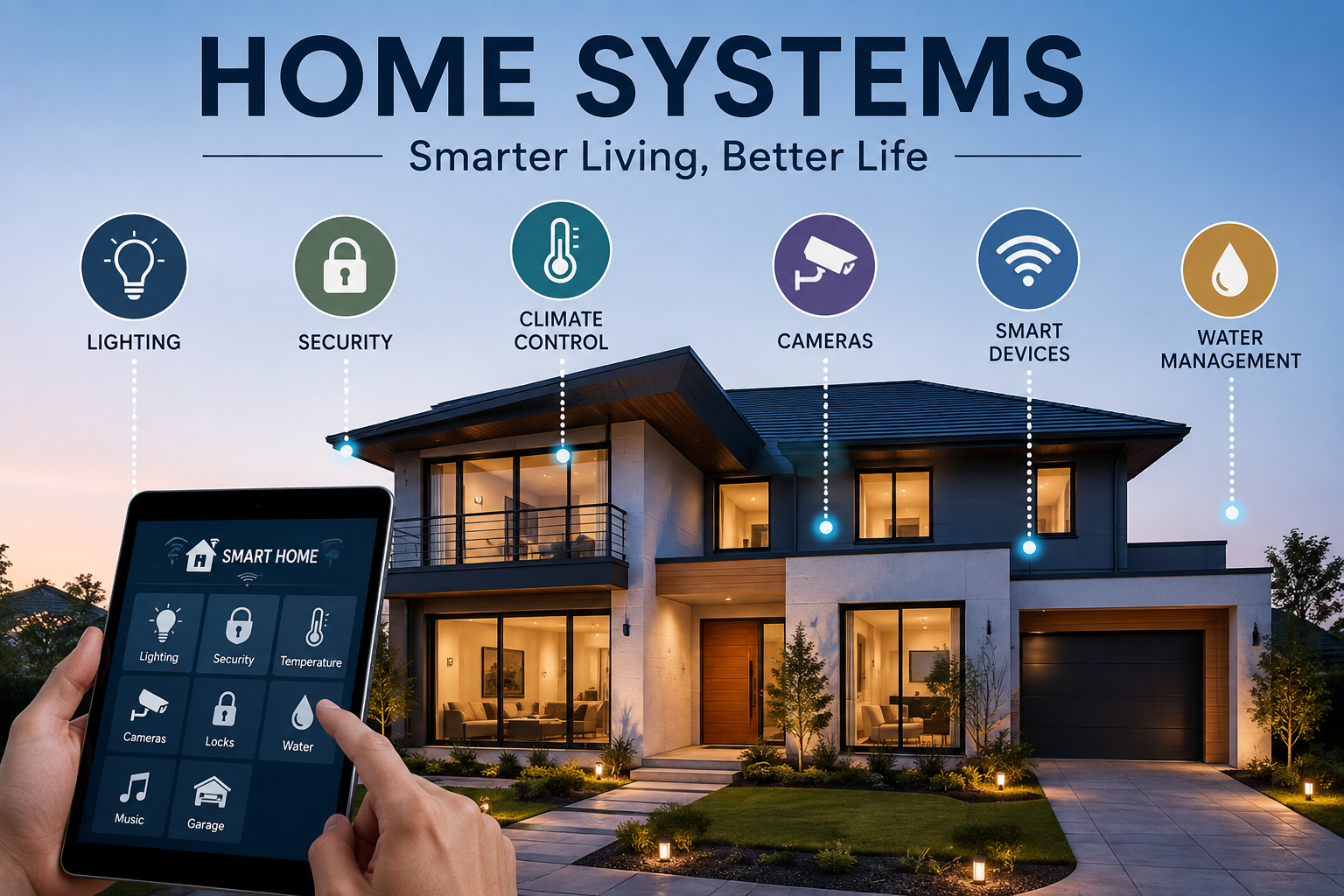
Modern homes are more than just places to live. They are designed to provide comfort, convenience, security, and efficiency through a variety of interconnected systems. Understanding home systems can help homeowners make informed decisions about maintenance, upgrades, and overall home management.
Whether you are building a new house or improving an existing one, learning about home systems is essential for creating a functional and comfortable living environment.
What Are Home Systems?
Home systems refer to the essential components and technologies that keep a house running smoothly. These systems work together to provide heating, cooling, electricity, water, security, communication, and overall comfort.
A well-maintained home system improves daily life while helping homeowners save time, energy, and money.
The Importance of Home Systems
Home systems play a critical role in maintaining a safe and efficient household. They help regulate indoor temperatures, provide clean water, deliver electricity, and ensure security.
Without properly functioning systems, everyday activities such as cooking, bathing, lighting, and communication would become difficult.
Electrical Home Systems
The electrical system is one of the most important parts of any home. It powers lighting, appliances, entertainment devices, and smart technology.
A reliable electrical system includes:
-
Wiring
-
Circuit breakers
-
Electrical panels
-
Power outlets
-
Lighting fixtures
Regular inspections can help prevent electrical issues and improve household safety.
Plumbing Home Systems
Plumbing systems provide clean water and remove wastewater from the home. They support kitchens, bathrooms, laundry rooms, and outdoor water use.
Key plumbing components include:
-
Water supply lines
-
Drainage systems
-
Faucets
-
Water heaters
-
Pipes and fittings
Routine maintenance helps prevent leaks and costly repairs.
Heating and Cooling Systems
Heating and cooling systems maintain indoor comfort throughout the year. These systems help regulate temperature and improve air quality.
Common options include:
-
Central heating systems
-
Air conditioning systems
-
Heat pumps
-
Ventilation systems
Efficient heating and cooling systems can help reduce energy consumption while improving comfort.
Home Security Systems
Security is a major concern for homeowners. Modern home security systems provide protection and peace of mind.
Popular security features include:
-
Security cameras
-
Motion sensors
-
Smart locks
-
Alarm systems
-
Video doorbells
Advanced security technology allows homeowners to monitor their property remotely using mobile devices.
Smart Home Systems
Smart home systems have transformed the way people manage their homes. These technologies allow users to control various functions through apps, voice assistants, and automation.
Examples of smart home technology include:
-
Smart lighting
-
Smart thermostats
-
Automated blinds
-
Smart speakers
-
Connected appliances
Smart systems can increase convenience while improving energy efficiency.
Water Management Systems
Water management is an important part of modern home design. These systems help monitor water usage and reduce waste.
Examples include:
-
Water filtration systems
-
Rainwater collection systems
-
Leak detection devices
-
Irrigation controls
Proper water management supports sustainability and household efficiency.
Energy-Efficient Home Systems
Energy-efficient home systems help reduce utility costs and environmental impact. Homeowners increasingly invest in technologies that improve efficiency.
Popular options include:
-
Solar energy systems
-
Energy-efficient lighting
-
Smart thermostats
-
High-efficiency appliances
-
Insulation improvements
These upgrades can contribute to long-term savings and environmental responsibility.
Entertainment and Communication Systems
Modern homes often include integrated entertainment and communication systems. These systems enhance convenience and connectivity.
Examples include:
-
Home theaters
-
Wireless internet networks
-
Streaming devices
-
Multi-room audio systems
-
Video communication tools
A strong communication system supports both work and leisure activities.
Maintaining Home Systems
Regular maintenance is essential for keeping home systems operating efficiently. Homeowners should schedule inspections, replace worn components, and address issues promptly.
Maintenance benefits include:
-
Improved safety
-
Better performance
-
Lower repair costs
-
Longer equipment lifespan
-
Increased property value
Preventive care can help avoid unexpected breakdowns and costly emergencies.
Choosing the Right Home Systems
Selecting the best home systems depends on factors such as budget, household size, lifestyle, and long-term goals. Homeowners should evaluate their needs before investing in new technology or upgrades.
Researching available options and consulting professionals can help ensure the right choices are made.
Conclusion
Home systems form the foundation of a safe, comfortable, and efficient living environment. From electrical and plumbing systems to smart technology and home security, these essential components support everyday life in countless ways.
By understanding and maintaining home systems, homeowners can improve comfort, increase efficiency, enhance security, and protect the long-term value of their property. Investing in reliable home systems is an investment in a better quality of life.

 English
 Arabic
 French
 Spanish
 Portuguese
 Deutsch
 Turkish
 Dutch
Dutch
 Italiano
 Russian
 Portuguese (Brazil)
 Greek
Greek
