


Indoor P2.0 LED Display Modules: A Complete Guide for Modern Digital Displays
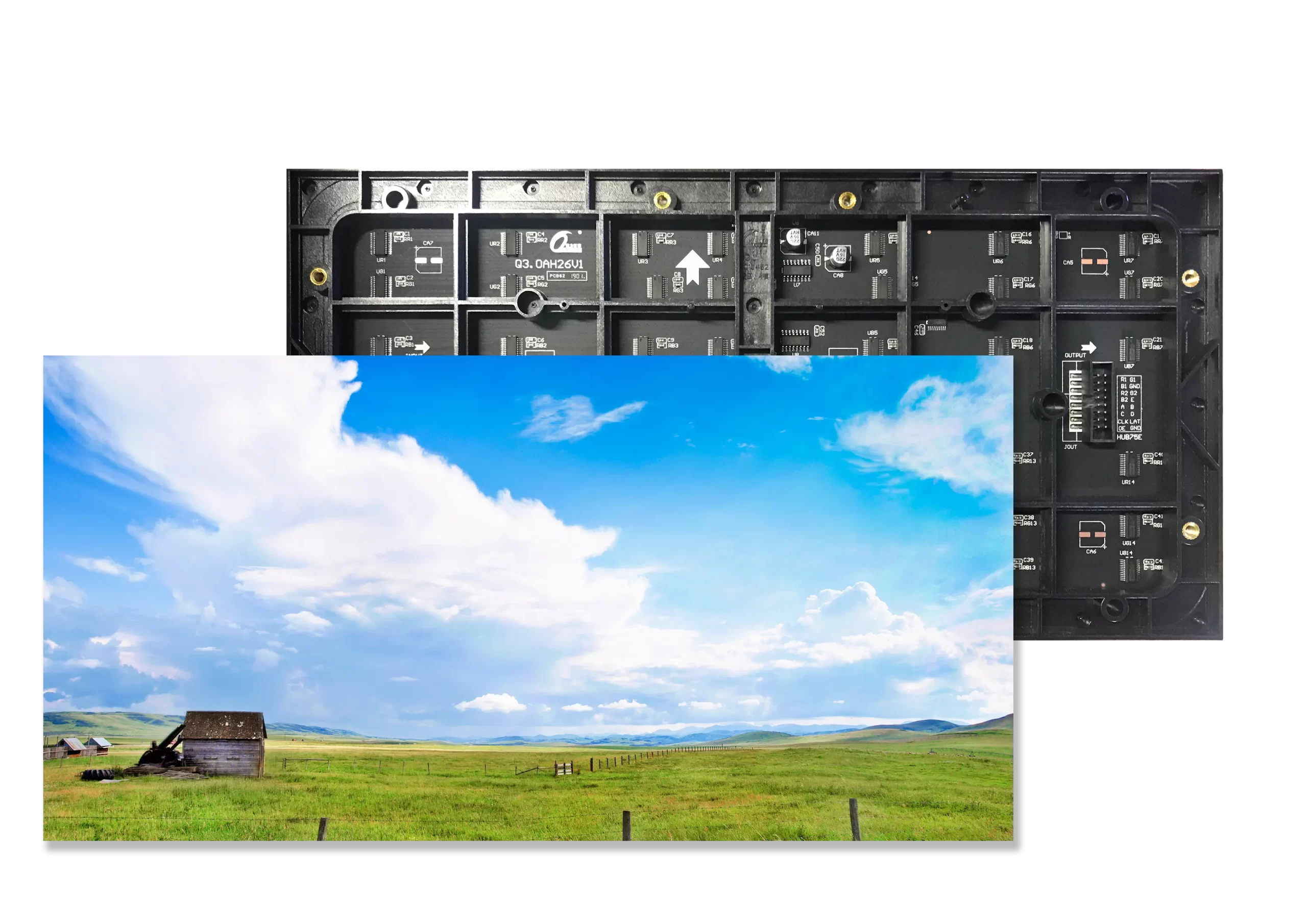
Businesses, retailers, conference venues, educational institutions, corporate offices, and entertainment spaces increasingly rely on digital displays to communicate information and create engaging visual experiences. As expectations for image quality continue to rise, traditional displays are often being replaced by larger and more flexible LED solutions.
An Indoor P2.0 LED Display Module is designed for applications where high image quality, close viewing distances, and seamless digital content are important. With a 2.0mm pixel pitch, P2.0 LED technology provides a dense pixel arrangement that can produce detailed visuals on large indoor screens.
What Is a P2.0 LED Display Module?
The term P2.0 refers to a pixel pitch of approximately 2.0 millimetres. Pixel pitch represents the distance between the centres of two adjacent pixels.
A smaller pixel pitch generally means pixels are positioned closer together, allowing a display to produce finer visual detail at relatively short viewing distances.
P2.0 technology is therefore particularly suitable for indoor environments where audiences may be positioned close to the screen.
Instead of viewing the display from a long distance, people may interact with P2.0 LED screens in locations such as conference rooms, retail stores, showrooms, control rooms, reception areas, auditoriums, and event venues.
Why Pixel Pitch Matters
Pixel pitch is one of the most important specifications when selecting an LED display.
A display with a larger pixel pitch can work well when viewers are positioned farther away. However, when an LED screen is installed in a smaller indoor environment, a fine-pitch solution can provide a more detailed viewing experience.
P2.0 strikes a useful balance between fine image detail and large-format LED display capabilities.
For applications where viewers may stand or sit relatively close to the screen, selecting an appropriate pixel pitch can help create a more comfortable and visually detailed experience.
High-Resolution Visual Experiences
One of the main advantages of an indoor P2.0 LED display is its ability to produce detailed content across a large screen.
Businesses can display:
-
Promotional videos
-
Product presentations
-
Corporate presentations
-
Digital signage
-
Live event content
-
Images
-
Branding
-
Announcements
-
Educational material
-
Interactive content
The large-format nature of LED technology allows organizations to create a visual focal point without relying on multiple smaller screens.
Why Use LED Modules Instead of Conventional Displays?
Conventional televisions and commercial monitors have fixed dimensions and physical limitations. Creating an extremely large display may require multiple screens, which can result in visible bezels between individual panels.
LED modules provide another approach.
Multiple LED modules can be assembled into larger display surfaces, allowing businesses to create screens with customized dimensions.
This makes LED technology particularly useful for projects where the display needs to fit a specific wall, stage, architectural space, or installation area.
Seamless Large-Format Display Design
A major benefit of direct-view LED technology is the ability to create large visual surfaces without the prominent bezels associated with conventional multi-screen video walls.
For businesses using digital signage or large-format presentations, this can produce a more immersive viewing experience.
A properly designed P2.0 LED display can therefore become part of the architecture of the room rather than simply functioning as a conventional television.
Applications for Indoor P2.0 LED Displays
P2.0 LED modules can be used across many indoor environments.
Corporate Offices
Companies can install LED displays in reception areas, meeting rooms, boardrooms, and corporate event spaces.
They can be used to display company presentations, announcements, branding, dashboards, and meeting content.
Retail Stores
Retailers can use fine-pitch LED displays to showcase products, promotions, campaigns, and brand content.
A large digital display can attract attention and create a more dynamic shopping environment.
Conference and Event Venues
Conference centres and event spaces require displays capable of presenting presentations, speaker content, videos, graphics, and live feeds.
An indoor P2.0 LED screen can provide a large viewing surface for audiences.
Education
Schools, universities, training centres, and educational institutions can use LED displays for presentations, announcements, lectures, events, and multimedia learning.
Showrooms
Automotive, technology, real estate, and product showrooms can use LED displays to create immersive presentations and highlight important product information.
P2.0 LED Displays for Digital Signage
Digital signage is one of the most common applications for indoor LED technology.
Traditional printed signs need to be physically replaced when information changes. Digital signage allows organizations to update content electronically.
A business can use one display to show different types of content throughout the day.
For example:
Morning: Company announcements
Afternoon: Product promotions
Evening: Event information
This flexibility can make digital displays valuable communication tools.
Choosing the Right LED Display for Your Space
Before purchasing an indoor P2.0 LED display module, businesses should evaluate several factors.
Viewing Distance
Determine how close the audience will be to the display.
P2.0 is designed for relatively close viewing environments where detailed content is important.
Screen Size
Consider the wall or installation area available.
LED modules can be combined to create larger custom display surfaces.
Content Type
Think about what will be displayed.
Text-heavy presentations, detailed graphics, product images, and video content may benefit from a fine-pitch display.
Installation Environment
Indoor displays should be selected according to the conditions of the installation location.
The mounting structure, ventilation, power requirements, and maintenance access should be considered during planning.
Content Quality Is Just as Important
A high-quality LED display cannot compensate for poor content.
Organizations should create content specifically for large-format LED screens.
High-resolution images, properly formatted videos, readable typography, and appropriate contrast can help maximize the capabilities of a P2.0 display.
Content should also be designed according to the expected viewing distance.
Large text and strong visual hierarchy can make information easier to understand from across a room.
Maintenance and Long-Term Performance
Like any professional display system, an LED screen should be properly installed, operated, and maintained.
Before installation, businesses should consider how technicians will access the display if a module requires inspection or replacement.
Modular construction can provide practical maintenance advantages because individual components can potentially be serviced without replacing an entire large screen.
A professional installation and appropriate maintenance plan can help protect the long-term value of the display system.
Why P2.0 Is Suitable for Indoor Environments
Indoor spaces often have shorter viewing distances than outdoor environments.
A fine pixel pitch such as P2.0 can therefore be appropriate for applications where viewers need to see detailed information without standing far away from the screen.
This makes P2.0 technology particularly attractive for corporate, retail, educational, hospitality, event, and commercial environments.
Final Thoughts
An Indoor P2.0 LED Display Module provides businesses with a flexible way to create large, detailed digital displays for modern indoor environments.
Its fine pixel pitch makes it suitable for relatively close viewing distances, while modular LED construction allows organizations to create large display surfaces tailored to different spaces.
From corporate presentations and retail signage to events, showrooms, education, and entertainment, P2.0 LED technology can transform how organizations communicate visual information.
When selecting an LED display, businesses should consider pixel pitch, viewing distance, screen dimensions, content requirements, installation conditions, and maintenance requirements.
With the right combination of display technology, content, and installation planning, an indoor P2.0 LED screen can become a powerful communication and visual branding tool.

 Arabic
 French
 Spanish
 Portuguese
 Deutsch
 Turkish
 Dutch
Dutch
 Italiano
 Russian
 Romaian
 Portuguese (Brazil)
 Greek
Greek
