


Future of AI: The Rise of Intelligent Technology
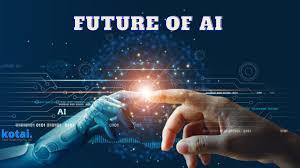
Artificial Intelligence (AI) is no longer a technology that belongs to the future. It is already changing the way people work, communicate, and solve everyday problems. From voice assistants and smart devices to online shopping and medical research, AI is becoming a part of modern life. As technology continues to improve, AI will become more advanced, more reliable, and more useful. The Future of AI is expected to create exciting opportunities while changing the way individuals, businesses, and governments operate.
Why AI Is Growing So Fast
The rapid growth of AI is driven by better computing power, larger amounts of data, and continuous research. Modern AI systems can process information much faster than humans and identify patterns that are difficult to detect manually. Companies around the world are investing in AI because it helps reduce costs, improve efficiency, and deliver better customer experiences. As these investments continue, AI will become even more powerful in the coming years.
Faster Innovation
AI allows researchers and businesses to test ideas more quickly than ever before. Instead of spending months analyzing data, AI can complete the same task within minutes. This speed encourages innovation and helps organizations develop new products, services, and solutions more efficiently.
AI Will Redefine Everyday Living
The future of AI will make everyday activities simpler and more convenient. Smart devices will understand user preferences, home appliances will operate automatically, and digital assistants will become better at managing daily schedules. AI will also improve online experiences by offering personalized recommendations, faster search results, and more accurate translations. These advancements will make technology feel more natural and helpful.
Smarter Communication
Future AI tools will improve communication between people who speak different languages. Real-time translation will become more accurate, making international business, education, and travel much easier. AI-powered writing assistants will also help users create emails, reports, and documents with greater speed and accuracy.
AI Will Transform Key Industries
Almost every industry will benefit from AI in different ways. Businesses will use intelligent systems to increase productivity, while public services will use AI to improve efficiency. As AI becomes more affordable, even small organizations will have access to advanced technology.
Healthcare Will Advance
AI will support doctors by analyzing medical images, predicting health risks, and recommending treatment options. Patients will receive more personalized care because AI can study medical histories and identify potential problems before symptoms become serious. These improvements will help save lives and reduce healthcare costs.
Education Will Become More Interactive
Students will learn through AI-powered platforms that adjust lessons according to their progress. Teachers will spend less time on administrative work because AI can assist with grading, attendance, and lesson preparation. This will allow educators to focus more on teaching and supporting students.
Business Operations Will Improve
Organizations will use AI to automate routine work, improve customer support, and analyze market trends. AI will also help companies manage inventory, predict customer demand, and improve decision-making. As a result, businesses will become more competitive and efficient.
Advantages of AI in the Future
The future of AI offers benefits that extend beyond automation. It will improve productivity by reducing repetitive work and allowing people to focus on creativity and innovation. AI will also improve accuracy by minimizing human errors in data analysis and decision-making. In addition, it will support scientific discoveries, strengthen cybersecurity, and make public services more efficient.
Better Problem Solving
AI can process huge amounts of information within seconds, making it an excellent tool for solving complex challenges. Governments, researchers, and businesses will rely on AI to address issues related to climate change, transportation, healthcare, and resource management.
Challenges That Must Be Managed
Although AI offers many opportunities, it also creates important challenges. Protecting personal data will remain a top priority as AI systems continue collecting information. Ethical concerns such as fairness and transparency must also be addressed to ensure AI decisions are trustworthy. In addition, workers whose jobs are affected by automation will need access to education and training so they can develop new skills.
Building Trust in AI
Public trust is essential for the future of AI. Developers should create systems that explain how decisions are made and ensure that AI is tested carefully before being used in important situations. Responsible development will help people feel more confident about adopting AI technologies.
Preparing for an AI-Powered World
Success in the AI era will depend on continuous learning and adaptability. Students should develop digital literacy, while professionals should learn how to work with AI tools instead of fearing them. Skills such as creativity, communication, leadership, and critical thinking will remain valuable because they cannot easily be replaced by machines. Individuals who embrace lifelong learning will be better prepared for future opportunities.
Human Skills Will Stay Important
Even as AI becomes more advanced, human qualities such as empathy, imagination, and ethical judgment will remain essential. AI can assist with tasks and provide recommendations, but people will continue making important decisions, building relationships, and leading innovation. The future will belong to those who combine technology with strong human skills.
Conclusion
The future of AI is filled with possibilities that can improve lives across the world. From smarter healthcare and modern education to efficient businesses and connected cities, AI has the potential to create lasting positive change. While challenges such as privacy, ethics, and workforce transformation require careful attention, responsible AI development can ensure that technology benefits everyone. By learning new skills and embracing innovation, individuals and organizations can confidently prepare for a future where AI and human intelligence work together.

 English
 Arabic
 French
 Spanish
 Portuguese
 Deutsch
 Turkish
 Dutch
Dutch
 Italiano
 Russian
 Portuguese (Brazil)
 Greek
Greek
