


What Every GTA Homeowner Should Know Before Refreshing Their Interior and Exterior Paint
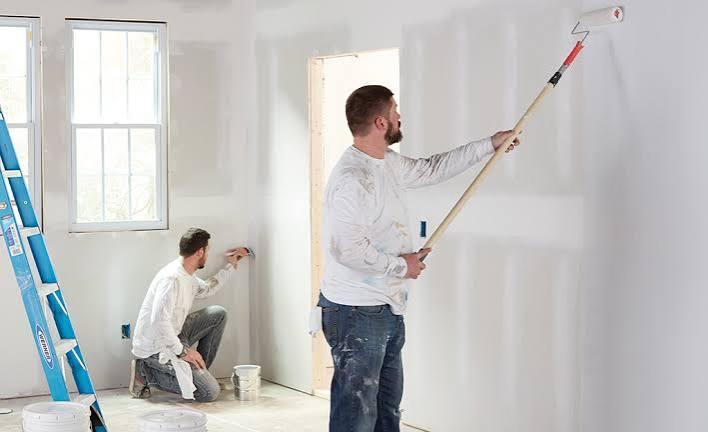
A fresh coat of paint can completely change the look and feel of a home, but getting lasting results takes more than picking a colour you like. Many homeowners put off painting because they are unsure about costs, timing, or whether the project is worth the investment. Others worry about hiring the wrong contractor and ending up with peeling paint or uneven finishes within a few years.
In Ontario and across the Greater Toronto Area, homes deal with changing temperatures, humidity, snow, and strong sunlight throughout the year. These conditions can shorten the life of paint if surfaces are not prepared properly. Understanding the process before making a decision helps you protect your home, improve its appearance, and avoid expensive mistakes later.
Why Homeowners Decide to Repaint Their Homes
Painting is one of the most effective ways to improve a home's appearance while also protecting the surfaces underneath. Although many people first think about paint for cosmetic reasons, there are several practical benefits that make it a worthwhile investment.
Some of the most common reasons homeowners schedule a painting project include:
-
Walls that have become faded, stained, or marked over time
-
Chipped, cracked, or peeling paint
-
Damage caused by moisture or everyday wear
-
Preparing a property for sale
-
Updating an older colour scheme
-
Improving curb appeal
Exterior paint works as a protective barrier against rain, snow, ultraviolet rays, and fluctuating temperatures. Interior paint helps shield drywall and trim from moisture, scratches, and daily use.
For many Ontario homeowners, repainting every several years is part of regular home maintenance rather than simply a cosmetic upgrade.
Why Ontario Weather Makes Regular Painting More Important
Ontario's climate creates unique challenges for painted surfaces.
Winter brings freezing temperatures, ice, and moisture that can slowly damage exterior finishes. During spring, melting snow and frequent rainfall increase moisture exposure. Summer introduces intense UV rays that gradually fade darker colours, while autumn often brings additional moisture before another winter arrives.
These seasonal changes create repeated expansion and contraction of exterior materials. Over time this movement can cause paint to crack, separate from surfaces, or peel away.
Homes near busy roads may also collect dirt, salt residue, and airborne pollutants that reduce the lifespan of exterior coatings.
Inside the home, moisture presents its own challenges. Bathrooms, kitchens, laundry rooms, and basements frequently experience higher humidity levels. Without quality paint and proper preparation, these areas can develop stains, mildew, or premature paint failure.
Because local conditions vary so much throughout the year, many home painters toronto homeowners hire understand which products perform best in different environments.
What to Expect During a Residential Painting Project
Many homeowners imagine painting simply involves opening a can and applying colour. In reality, preparation is often the most important part of the job.
A professional project generally follows several stages.
Initial Inspection
The contractor begins by examining every surface that will be painted.
This includes checking for:
-
Peeling paint
-
Cracks
-
Nail pops
-
Water damage
-
Mold or mildew
-
Rotten wood
-
Surface contamination
Finding these problems early prevents them from affecting the final finish.
Planning the Project
Next comes planning.
This stage includes selecting:
-
Paint colours
-
Finish types
-
Product quality
-
Surface repairs
-
Project schedule
Many homeowners also request colour samples before making their final decision.
Professionals often recommend different paint finishes depending on the room. For example:
-
Flat finishes help hide imperfections.
-
Eggshell works well in living rooms and bedrooms.
-
Satin offers better durability for hallways.
-
Semi-gloss is commonly used on trim, doors, kitchens, and bathrooms.
Choosing the right finish can have just as much impact as selecting the colour itself.
Surface Preparation
Preparation usually takes longer than painting itself.
This may involve:
-
Filling holes and cracks
-
Sanding rough areas
-
Removing loose paint
-
Caulking gaps
-
Cleaning surfaces
-
Priming repairs
-
Protecting furniture and flooring
Skipping these steps often leads to poor adhesion and shorter paint life.
Experienced contractors know that even premium paint cannot hide poorly prepared surfaces.
Painting
Once preparation is complete, multiple coats are applied as needed.
Professionals maintain consistent coverage by using the proper combination of brushes, rollers, and sprayers depending on the surface.
Between coats, sufficient drying time helps produce a smooth, durable finish.
Final Cleanup and Inspection
After painting is complete, protective coverings are removed, hardware is reinstalled, and the work area is cleaned.
A final walkthrough allows homeowners to inspect the completed work and identify any touch-ups before the project is officially finished.
Companies such as revivepainting often include this final inspection because it helps ensure every surface meets homeowner expectations before the job is considered complete.
How Quality Materials Affect the Final Results
Not all paint products perform the same, and choosing the cheapest option can become expensive over time.
Higher-quality paints generally provide:
-
Better colour retention
-
Improved coverage
-
Greater washability
-
Longer-lasting durability
-
Better resistance to peeling and fading
Primer also plays a major role. New drywall, repaired surfaces, stained walls, and bare wood often require primer before the finish coats are applied.
Exterior products are formulated differently than interior paints because they must withstand rain, sunlight, freezing temperatures, and humidity.
For homeowners planning residential painting toronto projects, discussing paint brands, warranties, and recommended products before work begins can prevent disappointment later.
Different surfaces also require different coatings. Brick, wood siding, aluminum, stucco, trim, and doors each have specific preparation methods and compatible paint systems. Using the correct combination helps maximize durability and creates a more uniform appearance throughout the property.
What Does Residential Painting Cost in Ontario and the GTA?
One of the first questions homeowners ask is how much a painting project will cost. The answer depends on the size of the home, the condition of the surfaces, and the amount of preparation required. While every property is different, understanding the factors that influence pricing helps you budget realistically.
For interior projects, costs are often based on the number of rooms, ceiling height, wall condition, and the amount of trim, doors, and detailed work involved. Exterior painting typically depends on the home's square footage, number of storeys, siding material, and accessibility.
You may also pay more if the project includes:
-
Extensive drywall or wood repairs
-
Removing old wallpaper
-
Repairing water damage
-
Painting intricate trim or decorative features
-
Working on steep rooflines or difficult-to-reach areas
-
Premium paint products with enhanced durability
Rather than looking only for the lowest quote, compare what each estimate includes. One contractor may include extensive preparation, two finish coats, cleanup, and a warranty, while another may charge less but leave those items out.
A detailed written estimate makes it easier to compare value instead of simply comparing prices.
Warning Signs That Your Home Needs Fresh Paint
Paint gradually wears down over time, so many homeowners become accustomed to its appearance without realizing it needs attention.
Some warning signs are obvious, while others are easier to overlook.
Exterior Signs
Watch for:
-
Peeling or flaking paint
-
Cracked caulking around windows and doors
-
Faded colours
-
Exposed wood
-
Bubbling paint
-
Moisture stains
-
Soft or rotting trim
Ignoring these problems can allow moisture to penetrate building materials, leading to more expensive repairs.
Interior Signs
Inside the home, you may notice:
-
Scuff marks that no longer wash away
-
Cracks around corners
-
Water stains
-
Discoloured ceilings
-
Peeling paint in bathrooms
-
Nail pops or drywall repairs showing through
-
Rooms that feel dark because paint has faded
Sometimes repainting is less about damage and more about making a space feel brighter and more welcoming. Updating older colours can completely change how a room feels without the expense of a full renovation.
If you're preparing to sell your home, fresh paint is often one of the simplest improvements that helps buyers form a positive first impression.
Practical Tips Before Hiring a Painting Contractor
Choosing the right contractor can have a bigger impact on the final result than the paint itself. Taking a little extra time during the hiring process can help you avoid delays, unexpected costs, and disappointing workmanship.
Here are a few practical tips to keep in mind.
Ask for a Detailed Written Estimate
A professional estimate should clearly explain:
-
Surface preparation
-
Number of paint coats
-
Products being used
-
Areas included
-
Cleanup responsibilities
-
Estimated timeline
Clear documentation helps prevent misunderstandings once work begins.
Discuss Surface Preparation
Preparation often determines how long the paint lasts.
Ask questions such as:
-
Will damaged drywall be repaired?
-
Will peeling paint be removed?
-
Are cracks and nail holes included?
-
Will primer be applied where necessary?
A contractor who spends time discussing preparation usually understands its importance.
Understand the Warranty
Ask what the warranty covers and how long it lasts.
Some warranties cover workmanship, while paint manufacturers may separately cover product performance.
Knowing the difference helps you understand what protection you receive after the project is complete.
Compare More Than Price
The cheapest estimate is not always the best value.
Compare:
-
Experience
-
Communication
-
Preparation methods
-
Materials
-
References
-
Timeline
-
Warranty coverage
A slightly higher investment often delivers better long-term results.
Schedule During the Right Season
Exterior painting depends heavily on weather conditions.
Many homeowners plan projects during late spring, summer, or early fall when temperatures are generally suitable for proper paint curing.
Interior painting offers more flexibility and can often be completed throughout the year.
Planning ahead also increases the chances of securing your preferred project dates, especially during the busiest painting season.
DIY Painting vs. Hiring a Professional
Many homeowners consider painting themselves to reduce costs. For some smaller projects, that approach can work well. However, larger jobs often involve more time, preparation, and technical skill than expected.
Advantages of DIY
Painting your own home offers a few benefits:
-
Lower labour costs
-
Flexible scheduling
-
Personal satisfaction
-
Complete control over colours and finishes
For a small bedroom or accent wall, DIY can be a practical weekend project.
Limitations of DIY
Many homeowners underestimate the preparation required before the first coat of paint is applied.
Common challenges include:
-
Uneven coverage
-
Roller marks
-
Drips
-
Poor edging
-
Missed repairs
-
Incorrect product selection
-
Longer completion times
Exterior projects also introduce additional safety concerns, especially when working from ladders or on multi-storey homes.
Without proper preparation, even high-quality paint may begin peeling much sooner than expected.
Benefits of Hiring Professionals
Professional painters bring experience, specialized equipment, and efficient workflows that help produce consistent results.
Some advantages include:
-
Faster completion
-
Better surface preparation
-
Cleaner finishes
-
Professional colour advice
-
Proper safety practices
-
High-quality equipment
-
Long-lasting durability
Experienced painters toronto homeowners rely on also understand how Ontario's weather affects different paint systems and can recommend products that perform well under local conditions.
When DIY Makes Sense
A do-it-yourself approach may be reasonable if:
-
The room is small.
-
Surfaces are already in good condition.
-
You have previous painting experience.
-
Time is not a major concern.
When Hiring a Professional Is the Better Choice
Professional help is usually the smarter investment when:
-
Painting the entire home
-
Working on exterior surfaces
-
Repairing damaged walls
-
Painting high ceilings or stairwells
-
Selling your home
-
Completing projects with tight deadlines
The right contractor can often complete in a few days what might take a homeowner several weekends, while delivering a finish that lasts longer.
Simple Ways to Keep Your Paint Looking Its Best
A quality paint job can last for many years, but regular maintenance helps preserve its appearance and extends its lifespan. A few simple habits can prevent small issues from turning into expensive repairs.
Clean Painted Surfaces Gently
Interior walls naturally collect dust, fingerprints, and small scuff marks over time. Wiping surfaces with a soft cloth or sponge and a mild cleaning solution helps maintain their finish without damaging the paint.
Avoid abrasive cleaners or stiff brushes, especially on matte finishes.
Inspect the Exterior Each Year
Walk around your home at least once a year and look for signs of wear, including:
-
Cracked caulking
-
Peeling paint
-
Small areas of exposed wood
-
Water stains
-
Mildew growth
-
Loose trim
Addressing these issues early often prevents moisture from reaching the materials underneath.
Keep Gutters and Downspouts Working Properly
Overflowing gutters allow water to run down exterior walls, increasing the risk of peeling paint and wood damage.
Cleaning gutters regularly and ensuring downspouts direct water away from the foundation helps protect both the paint and the home's structure.
Trim Trees and Shrubs
Branches rubbing against siding can scratch painted surfaces, while dense vegetation traps moisture against the house.
Maintaining a small gap between landscaping and exterior walls improves airflow and helps painted surfaces dry more quickly after rain.
Touch Up Minor Damage Promptly
Small chips and scratches are much easier to repair than widespread paint failure.
Keeping a small amount of leftover paint from the original project allows you to make quick touch-ups that blend well with the existing finish.
Common Mistakes Homeowners Should Avoid
Painting seems straightforward, but several common mistakes can shorten the life of the finished project.
One of the biggest mistakes is choosing paint based only on price. Lower-cost products may require additional coats and often wear out sooner than premium options.
Another frequent problem is rushing surface preparation. Dirt, grease, loose paint, and damaged drywall should all be addressed before painting begins. Even the highest-quality paint cannot compensate for poor preparation.
Homeowners also sometimes choose colours based solely on a small paint chip viewed under store lighting. Testing samples on your own walls and observing them at different times of day provides a much more accurate idea of the finished appearance.
Finally, avoid scheduling exterior painting during unsuitable weather. Rain, excessive humidity, or temperatures outside the manufacturer's recommendations can affect curing and reduce durability.
Planning carefully and working with experienced professionals helps eliminate many of these avoidable issues.
Final Thoughts
A professionally completed paint project does more than improve appearance. It protects your home from everyday wear, adds value, refreshes living spaces, and helps prevent minor problems from becoming major repairs. By understanding the preparation process, comparing detailed estimates, choosing quality materials, and recognizing early warning signs, homeowners can make informed decisions that provide lasting results.

 English
 Arabic
 French
 Portuguese
 Deutsch
 Turkish
 Dutch
Dutch
 Italiano
 Russian
 Romaian
 Portuguese (Brazil)
 Greek
Greek
