


Reading Overlaps and Underlaps in Football Match Previews
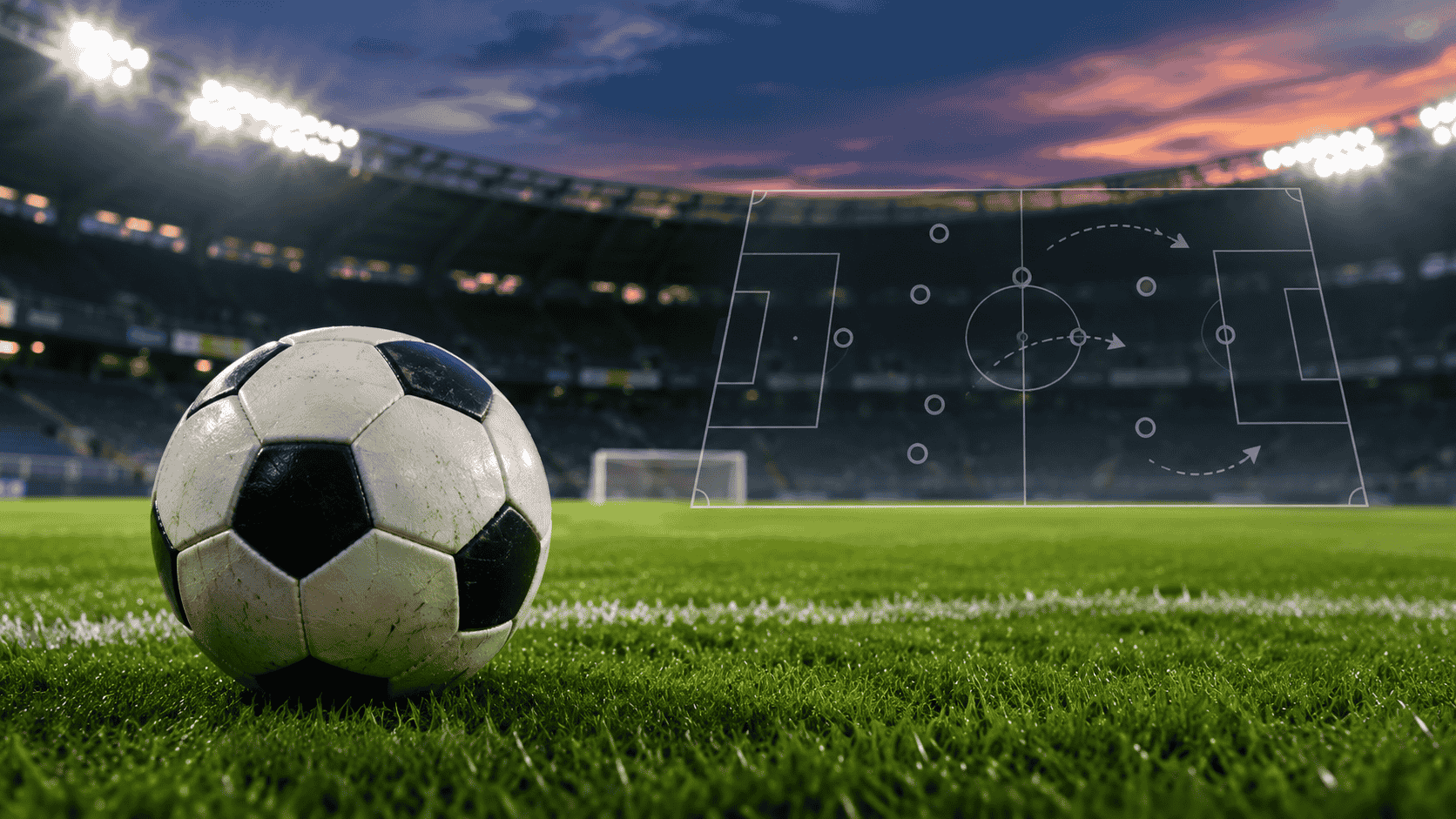
A winger receives the ball near the touchline, and a teammate runs past them. Sometimes that teammate goes around the outside. Sometimes the run takes an inside route toward the penalty area. The ball might follow the runner, stay with the winger, or go somewhere else entirely. To understand the attack, you need to watch more than the player who eventually delivers the cross.
When using a free football prediction site alongside your own match research, look carefully at previews that discuss overlaps and underlaps. These terms can help explain a team’s wide attacking combinations. Their value comes from the details: who moves, which route they take, how the defenders respond, and what the attack produces afterward.
Recognize the Two Routes
An overlap takes a supporting player around the outside of a teammate, generally toward the touchline. An underlap takes the supporting movement inside, toward a more central channel.
FIFA Training Centre’s analysis of wide play discusses both outside support and movements into inside channels. It emphasizes the relationship between full-backs and wide players, particularly the timing that allows a runner to receive while moving forward.
When checking a preview, begin by matching its description to the footage. Is the player actually running outside the ball carrier, or moving inside? Where does the run begin?
You do not need to label every movement during a match. Choose the examples that support the writer’s main argument and establish what happened in those sequences.
Watch the Player Carrying the Ball
The runner often attracts attention, but keep the ball carrier in view.
In a hypothetical right-sided attack, imagine a winger receiving near the touchline while a full-back advances outside. Before judging the combination, observe what the winger does. They might carry the ball inward, pause, pass immediately, or turn backward under pressure.
Describe that action beside the run. “The full-back overlapped” leaves out much of the sequence. “The winger carried inward before passing toward the full-back’s outside run” gives you a clearer event to review.
Then ask what the preview claims this interaction achieved. Did it allow a forward pass? Did the winger retain possession? Did the attack reach a different area?
Follow the visible actions before accepting a broader conclusion about the partnership.
Check Whether the Run Receives a Pass
A run and a completed passing combination are different things. Your notes should make clear which one you observed.
Suppose the full-back advances outside, but the winger keeps the ball and passes centrally. Record the unused run as part of the sequence. Then examine whether a defender followed it or stayed close to the ball.
Avoid assuming the run was a deliberate decoy simply because the pass went elsewhere. That explanation may be plausible, but the footage needs to support the proposed effect.
For example, you could write: “The defender moved toward the outside runner; the winger then passed inside.”
That preserves the observation. A claim about what the attackers intended would require further evidence, such as a relevant explanation from the players or coaching staff.
Pay Attention to Timing
FIFA’s coaching material on combination play emphasizes coordinated movement and support around the player in possession. Its exercises include overlaps and underlaps as ways of creating passing options and attacking openings.
For your own review, compare the moment the run begins with the moment the pass becomes available.
Imagine two fictional attempts involving the same winger and full-back. In one, the runner receives the ball in stride. In another, the runner stops and waits before receiving.
Write down the difference without immediately deciding its cause. Was the passer under pressure? Was the route blocked earlier? Did the camera show the beginning of the movement?
A preview that praises the timing should offer enough detail for you to understand which interaction it means.
Include the Defenders in the Description
An attacking diagram may show two teammates and a neat passing arrow. Match footage gives you another part of the story: the opposition’s response.
In your chosen example, identify the nearest defender and any teammate providing support. Watch whether they follow the runner, approach the ball carrier, exchange opponents, or hold their positions.
Keep the wording specific. “The defender stayed with the winger while another player tracked the inside run” is something you can check. “The defense had no answer” is a much larger judgment.
If the preview expects a similar opening against the next opponent, look for evidence involving that opponent too. The previous move shows what happened in one situation. The forecast needs an explanation of why the next match might present a comparable opportunity.
Follow the Attack Beyond the Wide Combination
A completed pass to an overlapping or underlapping player is one event within an attack.
Continue watching. What did the receiver do next? They might deliver a cross, attempt another pass, shoot, turn backward, or lose possession.
Suppose a preview uses several successful outside combinations to support a prediction about goals. Check whether its examples include the next action and the receiving players near goal. Otherwise, the argument may establish that a team reached wide positions without showing what those positions produced.
You can keep separate notes for the combination and the outcome:
-
The runner received the pass.
-
The next action reached a teammate, an opponent, or open space.
-
The possession ended with a shot, a restart, a turnover, or continued buildup.
This makes the evidence easier to assess without reducing every sequence to whether a goal followed.
Compare Both Sides Without Assuming Symmetry
If your examples all come from the right flank, keep that limitation visible.
Check whether the preview discusses one particular partnership or makes a claim about the team’s wide play as a whole. A sequence involving the right winger and right-back does not tell you what happened on the left.
You might choose one left-sided possession to compare. Record the participants, their starting positions, the route of the supporting movement, and the outcome.
If you find a different pattern, describe it on its own terms. There is no need to force both sides into the same explanation.
Also note which players appear in the footage. Before applying the examples to an upcoming fixture, check whether those participants are expected to feature and whether the preview addresses any relevant lineup uncertainty.
Turn the Pattern Into a Useful Match Question
Finish with a question that is narrow enough to revisit.
You might ask: “When the winger receives near the touchline, does the outside runner receive a forward pass, and what follows that reception?”
That gives you something observable during the next match. It also leaves room for the opponent to respond differently.
Afterward, review the relevant possessions instead of judging the tactical claim only by the final score. Perhaps the combination appeared repeatedly but led to few further opportunities. Perhaps the expected runner rarely advanced. Perhaps a different route became more prominent.
Those details help you assess what the preview explained well and where its expectations needed more support. An overlap or underlap becomes useful evidence when you can connect the movement to the actual sequence around it.

 English
 Arabic
 French
 Spanish
 Portuguese
 Deutsch
 Turkish
 Dutch
 Italiano
 Russian
 Romaian
 Portuguese (Brazil)
