


Discover Next Generation Smart Locker Systems in Oman
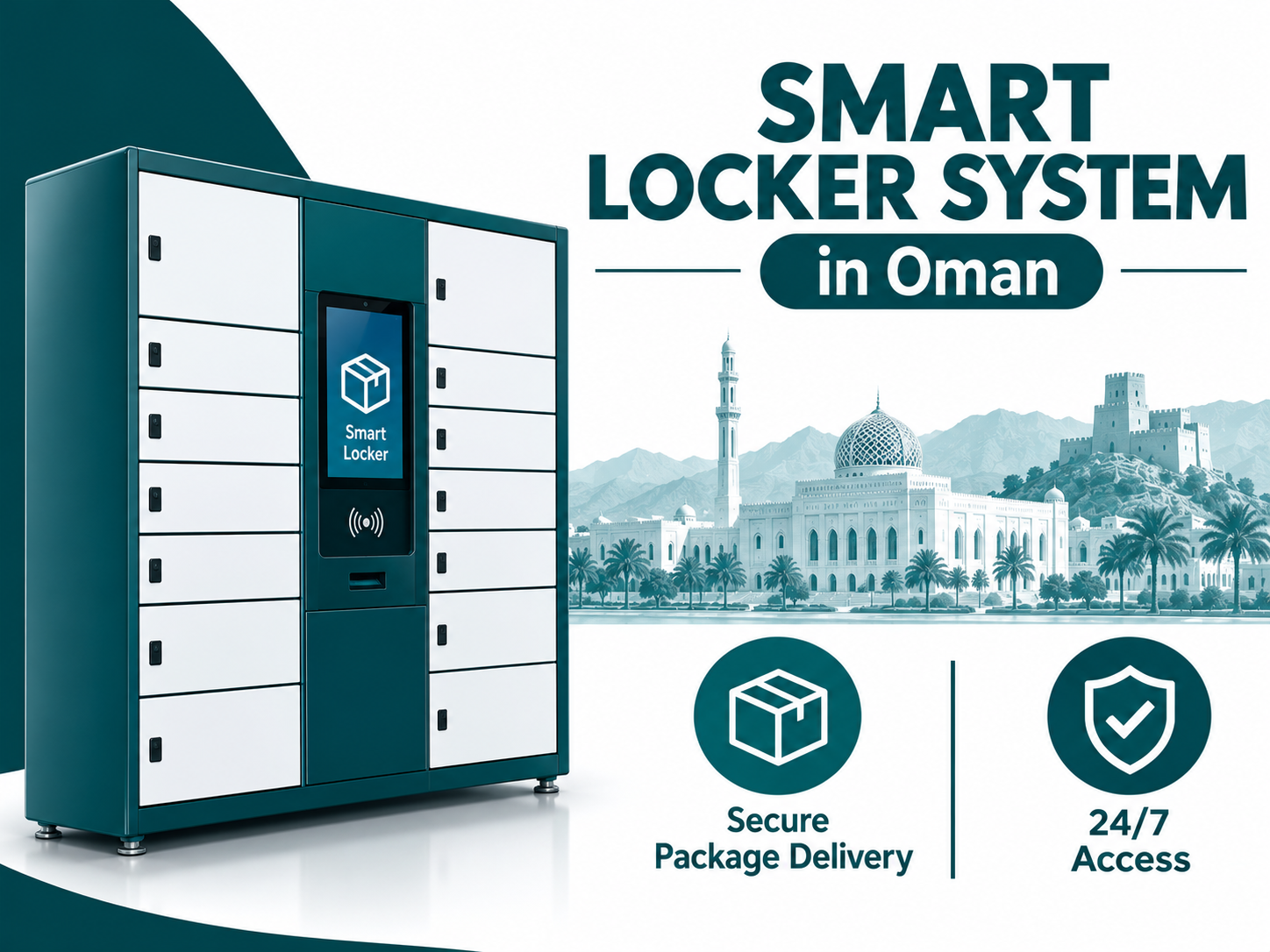
A Smart Locker System brings secure, contactless, and fully recorded storage to Omani offices, hospitals, campuses, hotels, and ports, and the newest generation goes far beyond a row of metal doors. This article explains what has changed, how each new capability works, and how organizations in the Sultanate can plan, secure, and measure an installation.
Part One: From Metal Cabinets to Connected Service Points
Older lockers relied on a key, a coin, or a fixed code. Keys were lost, codes were shared, and nobody knew who had used which door. The cabinet stored items, but it told the owner nothing.
The next generation turns each door into a connected device. It knows who opened it, when, and for how long, it can be reassigned in seconds, and it reports faults before users complain. Storage becomes a service that can be managed, measured, and improved.
Part Two: Six Leaps That Define the New Generation
Leap One: Credentials on the Phone
A Digital Locker System sends each user a code, link, or mobile credential, so no key or card is needed. Credentials can be single use, time limited, or tied to a person, and they can be cancelled in seconds when a booking ends or a staff member leaves.
Leap Two: Locks That Think
An Electronic Locker System replaces mechanical keys with electronic locks, a central controller, and a touch screen or mobile link. Sensors confirm whether each door is closed, battery backup keeps doors working during a power cut, and doors open only when a valid credential is shown.
Many Omani facility managers begin by studying connected storage options for Omani organizations to see which leaps matter most for their own sites.
Leap Three: Opening with a Glance
Face Recognition Locker Access lets an enrolled user look at a screen and have the right compartment open with no code or card. It suits hospitals, laboratories, and secure offices where hands are full or gloved, provided clear consent, a liveness check, and an alternative method are offered.
Leap Four: One Dashboard for Everything
Locker Management Software gives administrators a single dashboard for every bank of doors. They assign compartments, set rules, send notifications, watch usage, and export reports. Links to staff directories, student records, or booking tools mean the right person receives the right credential automatically.
Leap Five: A Platform That Grows
TekLocker brings the doors, the software, the credentials, and the reports together as one managed platform. Cloud management lets a head office oversee many sites without visiting each one, and open interfaces let the platform grow with new buildings and new use cases.
Leap Six: Built for the Climate
Oman's summers are hot, coastal air is humid, and the khareef season brings mist to the south. Next generation hardware uses corrosion resistant finishes, sealed electronics, and heat tolerant components, so doors keep working in conditions that defeat cheaper units.
Part Three: Where New Lockers Fit in Oman
A Locker System that sits alone is only a cabinet. Connected to the right workflow it becomes a service: a belongings store for hospital visitors, a laptop exchange for a government office, a book and device point for a university, a bag store for a hotel or mall, or a tool and equipment point for a port or industrial site.
Government offices use them to issue and collect documents outside counter hours. Universities and schools use them for devices and personal items. Hospitals use them for safe, hygienic handover. Retailers use them as pickup points for online orders, and hotels use them for guests before check in.
In every case the benefits are the same: fewer queues, fewer lost items, less staff time spent on handovers, and a complete record of who used which door and when.
Part Four: Omani Rules and Standards
User data is personal data. The Personal Data Protection Law, issued by Royal Decree 6 of 2022, sets duties on consent, purpose, storage, and security, so notices, retention limits, and access rights must be built in from the start. The Ministry of Transport, Communications and Information Technology and Oman National CERT guide national cyber practice.
The Telecommunications Regulatory Authority oversees connectivity and cloud services, and the Civil Defence and Ambulance Authority sets fire and life safety expectations. Suppliers with ISO 27001 aligned practices bring extra confidence, and these projects support Oman Vision 2040.
Part Five: Across the Sultanate
A Smart Locker System Oman plan should reflect the country's long distances, mix of coastal and desert climates, and growing role in government services, energy, and logistics. Shared policies, one credential style, and central reports keep standards equal from north to south.
Smart Locker System Muscat projects often serve ministries, banks, hospitals, universities, and business areas such as Al Khuwair and Knowledge Oasis Muscat. High traffic, many tenants, and strict audits call for fast, clear, and bilingual interfaces.
Smart Locker System Salalah projects are shaped by the port, the free zone, and the khareef season, when visitor numbers rise and mist spreads along the southern coast. Corrosion resistant doors, sealed cable routes, and flexible rules for peak weeks help the system cope.
Part Six: Securing a Connected Locker Network
Connected means exposed, so protection must be planned from the start. Encrypt communication between doors and servers, require strong logins for administrators, apply software updates on a calendar, and divide the locker network from other business networks.
Physical design matters too. Strong doors, tamper alarms, hidden hinges, and cameras near high value banks reduce theft, while door status sensors tell staff at once if a compartment is forced or left open.
Ask every supplier for a live demonstration, a data protection statement, a site survey, installation drawings, staff training, and a support agreement with clear response times. References from offices, hospitals, and campuses with similar volumes give practical evidence of performance.
A short assessment is the best first step, and a storage needs review and pilot plan for Omani sites will show how many doors and which sizes are really needed.
Part Seven: Getting Started and Measuring
List who needs storage, what they store, and when. Start with one site and one user group, train staff, share a short guide with everyone who will use the doors, and track door usage, fault reports, and queue times for the first month.
Report a handful of numbers monthly: share of doors in use, average time to store and collect, fault reports, unreturned items, and user satisfaction. Falling queues and fewer lost items show that the system is working.
Plan for growth as well. A good design leaves room for more doors, new sites, and new use cases without tearing out what already works, and a supplier should be able to show how earlier customers expanded over several years.
Finally, compare total cost over five years and not only the purchase price. Maintenance, spare parts, software updates, training, and support contracts often decide whether the benefits continue after the first year.
When you are ready to compare designs, explore modern connected storage technology for the Sultanate and match each feature to your timetable and budget.
Conclusion
Smart Locker System technology gives Oman a faster, safer, and fully recorded way to store and hand over items. Locker System projects work best when TekLocker, an Electronic Locker System, and a Digital Locker System share one platform. Face Recognition Locker Access and Locker Management Software add convenience, control, and clear reports. A planned Smart Locker System Oman rollout, including Smart Locker System Muscat and Smart Locker System Salalah sites, keeps every location compliant and consistent. Contact Tektronix today to plan your storage assessment.

 English
 French
 Spanish
 Portuguese
 Deutsch
 Turkish
 Dutch
 Italiano
 Russian
 Romaian
 Portuguese (Brazil)
 Greek
