


How To Get A Single Status Certificate Apostille In India?
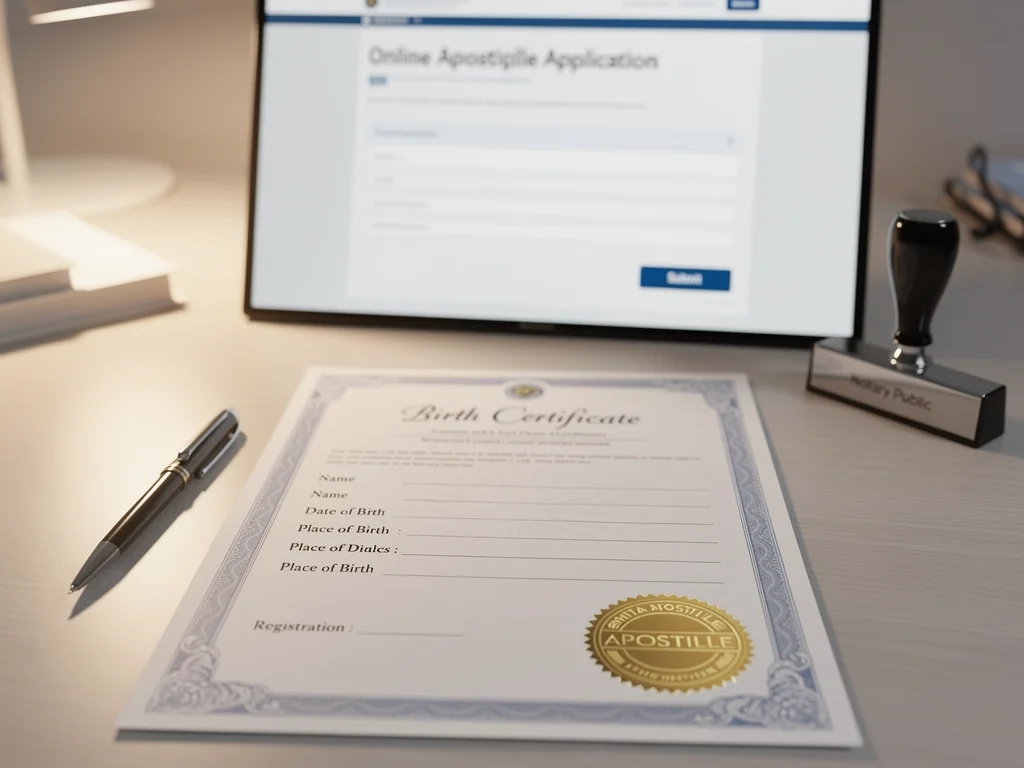
Planning to get married in a foreign country? If you are an Indian citizen intending to marry abroad, the foreign marriage registration authority may ask you to provide proof that you are legally single and eligible to marry. In such situations, a Single Status Certificate may be required along with an Apostille or Embassy Attestation, depending on the destination country.
A Single Status Certificate, also known as a Certificate of No Impediment to Marriage or Bachelorhood Certificate, confirms that an individual is unmarried, subject to the issuing authority's requirements and verification. Getting a Single Status Certificate Apostille in India helps authenticate the document for official use in countries that follow the Hague Apostille Convention.
In this guide, we explain the Single Status Certificate Apostille process, required documents, fees, processing time, and important requirements.
What Is a Single Status Certificate?
A Single Status Certificate is an official document used to establish that a person is currently unmarried and is generally eligible to enter into marriage. It may be required by foreign authorities when an Indian citizen plans to marry overseas.
Depending on the state and destination country, this certificate may be issued or supported by an appropriate government authority, local registrar, Sub-Divisional Magistrate (SDM), or other competent authority.
The document may also be referred to as:
-
Unmarried Certificate
-
Bachelorhood Certificate
-
Certificate of No Impediment to Marriage
-
Single Status Affidavit
-
Certificate of Marital Status
These documents are not necessarily interchangeable. The receiving country's marriage registration authority determines which document it accepts.
Why Is Single Status Certificate Apostille Required?
Foreign marriage registration authorities may request an authenticated document to confirm the marital status of an Indian citizen.
A Single Status Certificate Apostille may be required for:
-
Registering a marriage in another country.
-
Applying for a foreign marriage licence.
-
Proving unmarried status to overseas government authorities.
-
Completing marriage-related legal formalities abroad.
-
Submitting marital status documents to foreign civil registration offices.
The required authentication depends on whether the destination country is a member of the Hague Apostille Convention and the type of certificate being submitted.
Single Status Certificate Apostille Process in India
The process may vary depending on the issuing authority, state, and destination country. A typical procedure includes the following stages.
Step 1: Obtain the Single Status Certificate
First, obtain the required Single Status Certificate or supporting affidavit from the appropriate authority. Confirm the acceptable format with the foreign marriage registration office before applying.
Step 2: Notary Attestation (If Applicable)
If the document is prepared as an affidavit, notarisation may be required before further authentication. The exact requirement depends on the document and the applicable state procedure.
Step 3: State-Level Authentication
The relevant State Home Department, General Administration Department (GAD), SDM, or another designated authority may need to verify the document.
The applicable authentication route depends on the issuing authority and document category.
Step 4: MEA Apostille
After the required preliminary authentication, submit the document through the authorised process to the Ministry of External Affairs (MEA), Government of India.
The MEA attaches an Apostille sticker to authenticate the official signature or seal for use in countries covered by the Hague Apostille Convention.
Step 5: Translation (If Required)
Some countries require the Single Status Certificate to be translated into their official language. Translation requirements and whether the translation itself needs authentication depend on the receiving authority.
Documents Required for Single Status Certificate Apostille
The commonly requested documents may include:
-
Original Single Status Certificate or unmarried affidavit.
-
Passport copy of the applicant.
-
Aadhaar card or another accepted Indian identity document, if requested.
-
Proof of residential address, if required.
-
Birth certificate, if requested by the issuing authority.
-
Supporting marital status documents, where applicable.
-
Authorisation letter if applying through a representative.
Additional documents may be requested depending on the state, issuing authority, and destination country.
Single Status Certificate Apostille Fees in India
The total cost depends on the document type, issuing authority, state-level verification, MEA processing, translation, and service requirements.
Professional service charges may vary according to the complexity of the application and destination country. Embassy charges may apply separately if the destination requires traditional legalisation rather than an Apostille.
Request a complete quotation before submitting your original documents.
Difference Between Single Status Certificate Apostille and Embassy Attestation
Both processes authenticate documents for international use, but the applicable procedure depends on the destination country.
Single Status Certificate Apostille: Used for eligible Hague Convention countries. The MEA issues an Apostille after the required authentication.
Single Status Certificate Embassy Attestation: Used when the destination country requires traditional legalisation. The document may need state-level authentication, MEA attestation, and the relevant Embassy or Consulate's attestation.
Always confirm the document requirements with the foreign marriage registration authority before starting the process.

 English
 Arabic
 French
 Spanish
 Portuguese
 Deutsch
 Turkish
 Dutch
 Italiano
 Russian
 Romaian
 Portuguese (Brazil)
