


Planning a Fire Pump Replacement to Improve System Reliability and Performance
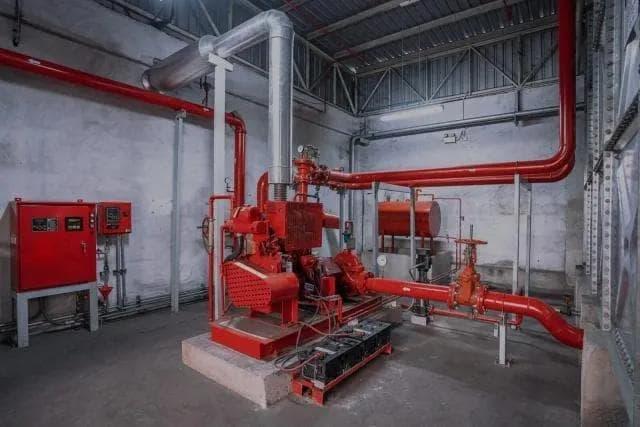
Fire pumps are essential components of building fire protection systems because they provide the water flow and pressure required during emergency conditions. Over time, equipment can experience wear, reduced efficiency, recurring mechanical problems, or changes in operating requirements. Planning a fire pump replacement becomes important when existing equipment can no longer provide dependable performance or meet the demands of the protected facility. A carefully organized replacement project helps property owners address equipment limitations, improve operational reliability, and maintain confidence in the overall fire protection system.
Recognizing When Replacement May Be Necessary
Identifying Repeated Equipment Problems
Frequent breakdowns, recurring leaks, unusual vibration, overheating, and persistent mechanical faults may indicate that a fire pump requires closer evaluation. Although some problems can be corrected through maintenance or component repairs, repeated failures may suggest deeper equipment deterioration. Maintenance records can help facility managers identify patterns and determine whether repair expenses are becoming excessive. A qualified fire protection professional should inspect the pump and evaluate its condition before recommending replacement. This assessment helps distinguish between manageable maintenance issues and problems that may justify installing new equipment. Guidance on fire pump head replacement versus full pump replacement can help clarify the factors that influence replacement decisions.
Evaluating Changes in System Demand
Building renovations, facility expansions, additional sprinkler coverage, and changes in occupancy can affect fire protection requirements. An existing pump that was suitable when a property was first constructed may no longer provide the necessary hydraulic performance after significant modifications. Changes in water supply conditions can also influence pump suitability. Reviewing current system calculations and approved design documents helps determine whether the existing equipment remains appropriate. Replacement planning should consider the facility's present requirements rather than relying entirely on the original pump specifications.
Assessing Existing Fire Pump Performance
Reviewing Flow and Pressure Conditions
Flow capacity and discharge pressure are important measurements when evaluating fire pump performance. Testing can reveal whether the equipment operates within its expected performance range and whether it can satisfy the demands established by the system design. Results should be compared with the original pump curve, manufacturer information, and applicable acceptance criteria. Reduced performance may result from internal wear, suction restrictions, damaged components, or other system conditions. A complete investigation helps determine whether the pump itself requires replacement or whether another part of the installation is responsible.
Examining Mechanical and Electrical Components
A replacement assessment should include the pump, driver, controller, associated piping, valves, and other supporting components. Mechanical inspections may identify corrosion, bearing deterioration, seal damage, impeller wear, or alignment problems. Electrical evaluations can reveal issues involving motors, connections, power supplies, or control equipment. These findings help establish the overall condition of the installation. Examining the complete arrangement is important because replacing only the pump may not resolve problems caused by incompatible or deteriorated supporting equipment.
Establishing the Correct Replacement Specifications
Determining Required Pump Capacity
The replacement pump should be selected according to the hydraulic requirements of the fire protection system. Engineers need to review required flow, pressure, suction conditions, water source characteristics, and system demand. The selected equipment should match the approved design rather than simply duplicate the nameplate rating of the existing pump. Changes in building use or system configuration may require updated calculations. Careful specification development helps prevent undersized or unsuitable equipment from being installed and supports reliable performance under expected operating conditions.
Selecting an Appropriate Pump Configuration
Different facilities may require different pump arrangements depending on available space, water supply conditions, and system design. Horizontal split case, vertical turbine, and other fire pump configurations serve specific applications. Each option has considerations involving installation, maintenance access, foundation requirements, and hydraulic performance. A replacement project should evaluate whether the existing configuration remains suitable or whether an alternative arrangement is justified. Engineers and equipment specialists can compare available options and identify a configuration that satisfies technical requirements while supporting practical maintenance needs. Reviewing important considerations when selecting a fire pump supplier can also help facility teams assess equipment sourcing and supplier support.
Evaluating the Driver and Controller Requirements
Reviewing Electric and Diesel Drivers
Fire pumps may use electric motors or diesel engines, depending on the facility's design and available power arrangements. Replacement planning should verify that the selected driver can meet the required operating conditions and is compatible with the proposed pump. Electric motor evaluations should consider voltage, phase, horsepower, starting characteristics, and power availability. Diesel arrangements require attention to engine capacity, fuel supply, cooling, ventilation, and exhaust requirements. Reviewing these factors early helps avoid installation complications and supports proper integration with the existing fire protection infrastructure.
Confirming Controller Compatibility
The controller manages important pump starting and operating functions, making its compatibility essential during replacement. If a new pump or driver has different electrical or operating characteristics, the existing controller may not be suitable. The project team should review controller ratings, starting methods, monitoring features, and applicable fire protection requirements. Automatic starting, manual operation, and alarm functions should be considered as part of the complete system evaluation. Guidance about fire pump controller functions can help clarify the role of this equipment in a reliable installation.
Planning the Replacement Installation
Coordinating Site Preparation
Before new equipment arrives, the installation area should be assessed for dimensions, foundation condition, access routes, piping connections, and electrical requirements. Contractors may need to prepare the pump room, modify supporting structures, or arrange temporary protection measures. Existing equipment removal should also be planned to avoid unnecessary disruption to other building operations. Coordination between facility management, engineers, contractors, and relevant authorities helps establish a practical installation schedule. A detailed preparation plan can reduce delays and improve safety throughout the replacement process.
Managing System Downtime
Fire pump replacement can temporarily affect the availability of an essential fire protection feature. Facilities should coordinate impairment planning with qualified professionals and follow applicable procedures, including required notifications and temporary protective measures. Work should be scheduled to minimize disruption while maintaining appropriate safety arrangements. The duration of the impairment should be understood by responsible personnel, and the system should be returned to service as soon as the approved work and testing are complete. Careful coordination helps reduce exposure during the replacement period.
Considering Documentation and Compliance
Reviewing Applicable Requirements
Replacement equipment and installation work must meet the standards, codes, and approval requirements applicable to the project. Requirements may address pump performance, driver arrangements, controller design, installation details, testing, and system acceptance. Project teams should confirm these requirements with qualified fire protection engineers and the authority having jurisdiction. Manufacturer documentation and equipment approvals should also be reviewed before purchasing. This process helps ensure that the replacement proposal is technically appropriate and supports acceptance of the completed installation.
Maintaining Accurate Project Records
Detailed records support future inspection, maintenance, and troubleshooting. Important documents may include equipment specifications, performance curves, installation drawings, operating manuals, test reports, warranties, and commissioning information. Updated records should identify the installed pump model, driver, controller, and relevant system settings. Keeping this information accessible allows maintenance personnel to understand the new equipment and follow the correct service procedures. Organized documentation also helps facility managers plan future maintenance activities and demonstrate that replacement work was completed and tested appropriately. A fire pump test log can also help maintenance teams track performance observations and identify developing equipment issues.
Testing and Commissioning the New Equipment
Verifying Installation Quality
After installation, the pump and supporting components should be inspected to confirm that connections, alignment, foundations, electrical arrangements, and control settings meet the approved requirements. Any identified installation deficiencies should be corrected before the equipment is placed into normal service. Qualified personnel should verify that valves and other supporting components are correctly arranged. A systematic inspection helps identify problems that may otherwise affect pump operation during an emergency. Proper commissioning provides an important opportunity to confirm that the installation matches the approved project design.
Conducting Performance Tests
Testing helps establish whether the replacement pump operates as intended under relevant conditions. Performance evaluations may include checking flow, pressure, automatic starting, manual controls, alarms, and other required functions. Results should be documented and compared with approved specifications and applicable acceptance criteria. Information about fire pump testing methods can provide additional context about evaluating system performance. The equipment should be formally returned to service only after required inspections and commissioning activities have been completed.
Establishing a Long Term Maintenance Plan
Scheduling Regular Inspections
A new pump still requires routine inspection and maintenance to preserve dependable operation. Facility teams should follow manufacturer instructions, applicable standards, and approved maintenance schedules. Inspections may involve checking operating conditions, examining mechanical components, reviewing controller indications, and identifying leaks or unusual noises. Periodic testing provides further information about system performance and can reveal developing problems. A consistent maintenance program helps protect the investment in replacement equipment and supports continued readiness throughout its service life.
Maintaining Access to Technical Support
Access to technical guidance and compatible replacement parts can make future maintenance more manageable. Facility managers should keep supplier information, equipment records, and service contacts available for maintenance personnel. They should also understand the procedures for obtaining approved components and arranging qualified repairs. Training can help staff recognize abnormal conditions and report issues promptly. Additional fire protection maintenance training resources can support a better understanding of equipment care and system readiness.
Conclusion
Planning a fire pump replacement requires a thorough evaluation of existing equipment, hydraulic requirements, driver compatibility, controller functions, installation conditions, and applicable standards. Careful preparation helps reduce project delays, address system limitations, and establish a reliable foundation for long term fire protection performance. Testing, commissioning, documentation, and regular maintenance remain essential after installation. By reviewing equipment requirements and obtaining appropriate technical guidance, facility managers can make informed decisions. Steven Brown & Associates, Inc. provides fire pump related resources and support to help professionals evaluate equipment needs and plan dependable fire protection solutions.

 English
 Arabic
 French
 Spanish
 Portuguese
 Deutsch
 Turkish
 Dutch
 Italiano
 Russian
 Romaian
 Portuguese (Brazil)
