


Build a Successful Digital Marketing Strategy for a Small Business
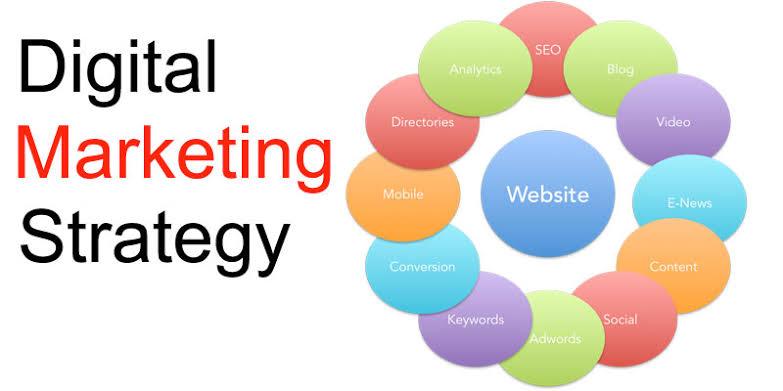
Running a small business in today's competitive market requires more than offering quality products or services. You also need an effective way to reach potential customers, communicate your value, and build a recognizable brand.
Digital marketing provides several opportunities for businesses to connect with their audiences without depending entirely on traditional advertising. From search engine optimization and content marketing to social media promotion and email campaigns, different strategies can help businesses improve their online visibility.
However, using every marketing channel without a clear plan can waste time and money. A successful digital marketing strategy starts with understanding your audience, setting realistic goals, and choosing the right promotional methods.
1. Define Your Marketing Goals
Before investing in digital marketing, identify what you want to achieve. Having clear objectives helps you select suitable channels and measure your progress.
Some common digital marketing goals include:
-
Increasing brand awareness
-
Generating website traffic
-
Attracting potential customers
-
Increasing online sales
-
Improving customer engagement
-
Building long-term customer relationships
For example, a newly launched online store may prioritize brand awareness and website traffic, while an established business may focus on generating qualified leads and increasing conversions.
Set measurable targets so you can evaluate whether your marketing activities are producing meaningful results.
2. Understand Your Target Audience
Knowing your audience is essential for creating effective marketing campaigns. You need to understand who your potential customers are, what they need, and how they make purchasing decisions.
Research these factors:
-
Age and location
-
Interests and preferences
-
Purchasing behavior
-
Common problems
-
Preferred communication channels
-
Budget and buying motivations
You can collect this information through customer surveys, website analytics, social media insights, and competitor research.
Once you understand your audience, you can create more relevant content and choose marketing channels that match their behavior.
3. Build a Professional Business Website
Your website is an important part of your digital marketing strategy. It provides a central location where potential customers can learn about your business, explore your offerings, and contact you.
A professional business website should include:
Clear Website Navigation
Organize your menus and pages so visitors can easily find important information.
Mobile-Friendly Design
Make sure your website works properly on smartphones, tablets, and desktop devices.
Fast Loading Speed
Optimize images, scripts, and other website elements to provide a smooth browsing experience.
Informative Service Pages
Explain what your business offers, who your services are for, and how customers can benefit.
Strong Calls to Action
Use clear messages that encourage visitors to contact your business, request information, or complete a purchase.
A well-designed website can support your other marketing activities and help turn visitors into potential customers.
4. Invest in Search Engine Optimization
Search engine optimization helps businesses improve their visibility in organic search results.
When people search for products, services, or solutions related to your industry, an optimized website has a better opportunity to appear in relevant search results.
Focus on these SEO activities:
-
Conduct keyword research.
-
Optimize page titles and meta descriptions.
-
Publish useful and relevant content.
-
Improve website loading performance.
-
Optimize images and internal links.
-
Fix technical SEO issues.
-
Build relevant backlinks.
-
Monitor organic search performance.
SEO is a long-term marketing investment. Consistent optimization and helpful content can help businesses attract relevant visitors over time.
5. Use Social Media Marketing to Reach More Customers
Social media marketing allows businesses to communicate with customers, promote their products, and develop stronger brand recognition.
Different platforms offer different opportunities depending on your audience and business objectives.
For example:
-
Facebook helps businesses build communities and promote products.
-
Instagram supports visual branding and product discovery.
-
TikTok provides opportunities through short-form video content.
-
LinkedIn is useful for professional networking and B2B marketing.
-
YouTube helps businesses publish tutorials and product demonstrations.
Businesses can also explore a social media marketing panel to access different promotional services through a centralized platform. This can be useful when managing multiple social media campaigns, although promotional services should complement genuine content creation and audience engagement.
The most effective approach is to select relevant platforms, publish valuable content, and maintain regular communication with your audience.
6. Develop a Content Marketing Strategy
Content marketing helps businesses attract potential customers by providing useful information rather than relying entirely on direct advertisements.
A well-planned content strategy can also support SEO, brand awareness, and customer education.
Consider creating these content types:
Blog Articles
Publish informative articles that answer common customer questions and explain topics related to your industry.
Educational Videos
Create tutorials, product demonstrations, and explanatory videos that help customers understand your offerings.
Infographics
Present complex information through simple visual formats that are easier to understand and share.
Case Studies
Show how your products or services have helped customers solve specific problems.
Social Media Posts
Share industry tips, product updates, customer stories, and other relevant information.
Create a content calendar to organize publishing schedules and maintain consistency across different platforms.
7. Use Email Marketing to Build Customer Relationships
Email marketing remains a useful communication channel for businesses that want to maintain relationships with existing and potential customers.
Unlike social media, email allows you to communicate directly with subscribers who have agreed to receive your messages.
You can use email marketing for:
-
Product announcements
-
Promotional campaigns
-
Educational newsletters
-
Special offers
-
Business updates
-
Customer follow-ups
Segment your email list based on customer interests and behavior. This helps you send more relevant messages instead of distributing identical content to everyone.
Always follow applicable email marketing and privacy requirements.
8. Explore Paid Advertising Opportunities
Paid advertising can help businesses reach specific audiences and generate traffic more quickly than relying entirely on organic marketing.
Popular advertising platforms include:
-
Google Ads
-
Facebook Ads
-
Instagram Ads
-
TikTok Ads
-
LinkedIn Ads
-
YouTube Ads
Before launching a campaign, define your target audience, budget, advertising objective, and expected outcome.
Start with a manageable budget and test different advertisements to identify which messages and creative formats perform best.
Avoid increasing advertising expenses without reviewing campaign performance.
9. Monitor Your Marketing Performance
Tracking marketing results helps you understand which activities contribute to business growth.
Instead of measuring success through follower counts or website traffic alone, evaluate metrics that connect directly to your business objectives.
| Metric | What It Measures |
|---|---|
| Website Traffic | Number of website visitors |
| Organic Clicks | Visitors coming from search engines |
| Conversion Rate | Percentage of visitors completing desired actions |
| Engagement Rate | Audience interaction with content |
| Cost Per Lead | Cost of generating a potential customer |
| Customer Acquisition Cost | Cost of acquiring a new customer |
| Return on Ad Spend | Revenue generated relative to advertising expenses |
Tools such as Google Analytics 4 and Google Search Console can help you monitor website and search performance.
Review these metrics regularly and adjust your marketing strategy based on actual results.
10. Improve Your Strategy Through Continuous Testing
Digital marketing is constantly changing. Customer preferences, advertising costs, search algorithms, and social media features can influence campaign performance.
Therefore, businesses should regularly test different approaches.
For example:
-
Experiment with different content formats.
-
Compare multiple advertising creatives.
-
Test alternative landing page designs.
-
Evaluate different keyword opportunities.
-
Review customer feedback.
-
Adjust publishing schedules based on engagement.
You do not need to change your entire strategy whenever performance fluctuates. Identify the specific areas that need improvement and make adjustments gradually.
Final Thoughts
Building a successful digital marketing strategy requires clear objectives, audience research, consistent content, and regular performance analysis.
Small businesses do not need to invest in every marketing channel immediately. Start with the platforms and activities that best match your customers and business goals.
Focus on providing genuine value, maintaining a professional online presence, and building lasting customer relationships. With consistent effort and data-driven decisions, digital marketing can become an important part of sustainable business growth.

 English
 Arabic
 French
 Spanish
 Portuguese
 Deutsch
 Turkish
 Dutch
 Russian
 Romaian
 Portuguese (Brazil)
 Greek
