


Qixiang Brass Craft Gas Valve What Makes Its Design Worth Considering
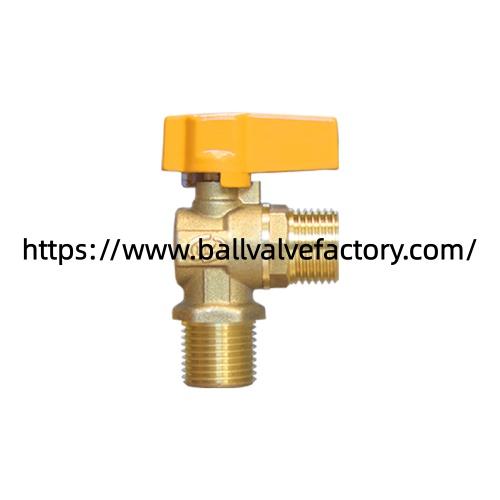
Brass Craft Gas Valve election involves more than simply choosing a component that fits an existing installation. Buyers need to consider material characteristics, connection compatibility, operating conditions, and long-term maintenance requirements. These details can influence how a flow control component performs throughout its service life. For industrial buyers, understanding the relationship between construction and application needs makes purchasing decisions more practical and helps avoid unnecessary replacement work.
Material selection is an important part of equipment planning. Different metals have different physical characteristics, and their suitability depends on the environment in which they are used. Copper-based alloys are widely used in various industrial applications because they offer useful machining characteristics, structural stability, and resistance to corrosion in suitable conditions. Their manufacturing flexibility also allows designers to consider different shapes and connection structures according to installation requirements.
However, material selection should never rely on appearance alone. The working medium, surrounding environment, exposure conditions, and compatibility with connected equipment all deserve attention. A material that works well in one application may require additional evaluation in another. Buyers should therefore review manufacturer documentation and confirm that the selected construction is appropriate for the intended service environment.
Another consideration is the internal structure. Components designed to regulate flow need carefully coordinated internal parts. Their interaction influences opening, closing, and adjustment during normal operation. Manufacturing accuracy, surface finishing, and assembly quality can all affect how smoothly the mechanism works. These details are especially relevant for equipment used regularly, where consistent operation is an important part of daily management.
Purchasing decisions also involve understanding the installation environment. Before selecting a product, buyers should identify the connection arrangement, available installation space, surrounding equipment, and applicable industry requirements. Compatibility between connecting components deserves particular attention because an unsuitable connection can create installation difficulties and affect system integrity.
For procurement teams, communication with manufacturers can make the selection process more efficient. Providing a clear description of the intended application helps suppliers understand the practical requirements. Questions about material composition, connection design, manufacturing processes, inspection procedures, and available documentation can provide useful information before an order is confirmed.
Maintenance is another subject that deserves consideration during the purchasing stage. Equipment installed in commercial and industrial environments may be exposed to dust, moisture, vibration, and changing operating conditions. Regular inspection helps identify visible wear, damaged connections, or other signs that require professional attention. Maintenance arrangements should follow the manufacturer's instructions and applicable safety requirements.
Ease of installation also influences the overall user experience. A practical design should allow qualified technicians to understand the connection arrangement and complete installation according to the relevant procedures. Clear identification, accessible connection points, and suitable documentation can help reduce confusion during installation and future servicing.
Appearance and product finishing also contribute to purchasing decisions, although they should be considered alongside technical suitability. A clean exterior, consistent surface treatment, and carefully finished connection areas reflect attention to manufacturing details. For equipment manufacturers and distributors, these characteristics can also influence how products are presented to customers and integrated into different commercial applications.
There is also a growing need for procurement decisions that consider the entire product lifecycle rather than focusing only on the initial purchase. Buyers increasingly evaluate maintenance accessibility, replacement convenience, supplier communication, and documentation availability. These factors help businesses plan equipment management with greater clarity. A suitable product should fit the actual application instead of being selected simply because it looks similar to an existing component.
When comparing suppliers, it is useful to examine their manufacturing experience, product range, quality management practices, and ability to communicate technical information. A supplier that understands different application requirements can help buyers identify relevant product options and clarify important details before purchasing. This is particularly useful for distributors, engineering contractors, and businesses managing equipment procurement across multiple projects.
Qixiang focuses on providing industrial flow control products for customers with different application requirements. Attention to product construction, manufacturing details, and practical installation needs helps support its product development and market positioning. Buyers looking for suitable equipment can consider the intended application, material compatibility, connection requirements, and maintenance expectations when reviewing available options. By combining these considerations with professional supplier communication, businesses can make more informed purchasing decisions. To review the company product range and related offerings, visit https://www.ballvalvefactory.com/ and find product information that can support your next sourcing decision.

 English
 Arabic
 French
 Spanish
 Deutsch
 Turkish
 Dutch
 Italiano
 Russian
 Romaian
 Portuguese (Brazil)
 Greek
