


Your Complete Guide to Antihistamines: Uses, Benefits and Allergy Relief
Allergies can affect everyday life, causing uncomfortable symptoms such as sneezing, itchy eyes, a runny nose, skin irritation, and persistent itching. Whether triggered by pollen, dust mites, pet dander, or insect bites, allergic reactions can make daily activities less enjoyable. Fortunately, antihistamines are commonly used to help manage these symptoms and provide relief from different types of allergies.
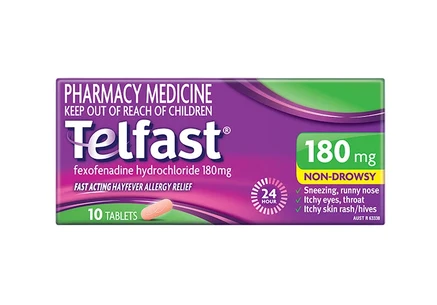
At Giant Chemist Harbour Town, you can explore a range of antihistamines and allergy medicines from well-known brands, including Zyrtec, Claratyne, Telfast, and Demazin. Available in different formats, these products offer options for people looking for relief from seasonal allergies, hay fever, itchy skin, and other common allergy symptoms. Understanding how antihistamines work, their benefits, and the different options available can help you make more informed decisions about your allergy care.
What Are Antihistamines?
Antihistamines are medicines that help relieve allergy symptoms by blocking the effects of histamine, a chemical released by the immune system during an allergic reaction. When your body encounters an allergen, such as pollen or dust, it may release histamine, which contributes to symptoms like sneezing, itching, watery eyes, and skin rashes.
By reducing histamine's effects, antihistamines can help manage these uncomfortable symptoms and make everyday activities more comfortable. They are commonly used for seasonal allergies, allergic rhinitis, hives, and reactions to insect bites or stings.
Antihistamines are available in several forms, including tablets, capsules, chewable tablets, syrups, nasal sprays, and eye drops. The appropriate option depends on the symptoms, age, medical history, and individual needs.
Common Uses of Antihistamines
Antihistamines are widely used to manage different allergic conditions. Some of their common uses include:
1. Hay Fever and Seasonal Allergies
Hay fever, also known as allergic rhinitis, is a common condition triggered by allergens such as grass pollen, tree pollen, and dust. It can cause frequent sneezing, a runny or itchy nose, watery eyes, and nasal irritation.
Non-drowsy antihistamines such as cetirizine, loratadine, and fexofenadine are commonly used to help manage these symptoms. They can make seasonal allergy symptoms easier to manage, particularly during periods of increased pollen exposure.
2. Itchy Skin, Hives and Skin Rashes
Allergic skin reactions can cause itching, redness, raised bumps, and swelling. Hives, also known as urticaria, are a common example of an allergic skin reaction.
Certain antihistamines can help reduce the itching associated with hives and other allergic skin reactions. However, persistent or unexplained skin irritation should be assessed by a healthcare professional to identify its underlying cause.
3. Insect Bites and Bee Stings
Insect bites and stings can trigger local allergic reactions, including itching, redness, and swelling. Depending on the severity of the reaction, an appropriate antihistamine may help relieve mild allergy-related symptoms.
However, severe reactions involving breathing difficulties, throat or tongue swelling, or dizziness require emergency medical attention. Antihistamines are not a substitute for emergency treatment of anaphylaxis.
4. Allergic Eye Symptoms
Allergies can affect the eyes, causing redness, watering, itching, and irritation. Antihistamine eye drops are designed to provide targeted relief from certain allergy-related eye symptoms.
They may be useful for people experiencing eye discomfort during hay fever season or after exposure to environmental allergens. Always follow the product instructions and seek professional advice if symptoms persist.
Types of Antihistamines Available
Antihistamines are generally divided into two main categories based on their likelihood of causing drowsiness.
Non-Drowsy Antihistamines
Non-drowsy or less-sedating antihistamines are commonly preferred for daytime allergy management because they are less likely to cause sleepiness than older antihistamine medicines.
Some commonly used active ingredients include:
- Cetirizine: Found in products such as Zyrtec and commonly used to relieve hay fever and other allergy symptoms.
- Loratadine: Found in Claratyne and commonly used for seasonal and year-round allergy relief.
- Fexofenadine: Found in Telfast and used to help manage allergic rhinitis and related symptoms.
Although these medicines are generally considered less sedating, some people may still experience drowsiness. Always check the product information before use.
Sedating Antihistamines
Some older antihistamines can cause noticeable drowsiness because they affect histamine activity in the brain. They may also cause side effects such as dry mouth, blurred vision, and reduced coordination.
These medicines require particular care when driving, operating machinery, or performing activities that require concentration. They should not be used to make children sleepy, and age restrictions must be followed carefully.
Different Forms of Antihistamine Medicines
Antihistamines come in several formulations, allowing people to choose an option based on their symptoms and personal requirements.
1. Tablets: Antihistamine tablets are commonly used to manage general allergy symptoms, including sneezing, itching, and watery eyes.
2. Chewable Tablets: These formulations can be easier for children who have difficulty swallowing standard tablets. Always check the recommended age and dosage.
3. Liquid and Syrup: Liquid antihistamines provide an alternative for children and people who find tablets difficult to swallow.
4. Capsules: Some allergy medicines are available in capsule formats, offering another convenient oral option.
5. Nasal Sprays: Allergy nasal sprays can help manage nasal symptoms. Some contain antihistamines, while others contain corticosteroids, so it is important to check the active ingredients.
6. Eye Drops: Antihistamine eye drops provide targeted relief from allergy-related eye itching and irritation.
Benefits of Using Antihistamines
When used appropriately, antihistamines can offer several benefits for people experiencing allergic reactions.
- Helps Relieve Sneezing: Certain antihistamines can reduce sneezing associated with hay fever and allergic rhinitis.
- Manages Itching: They can help relieve itching caused by hives and some allergic skin reactions.
- Supports Eye Comfort: Suitable antihistamine eye drops can help manage itchy and watery eyes.
- Offers Different Formulations: Tablets, syrups, chewable tablets, nasal sprays, and eye drops provide different options.
- Helps Manage Seasonal Allergies: Appropriate antihistamines can help people manage symptoms during pollen seasons.
- Provides Convenient Treatment Options: Many antihistamines are available over the counter in Australia, although some products have specific restrictions.
The benefits depend on the medicine, the type of allergy, and individual circumstances. Antihistamines manage symptoms rather than cure the underlying allergy.
How to Choose the Right Antihistamine
With several allergy medicines available, selecting an appropriate option can sometimes feel confusing. Consider the following factors when exploring antihistamine products:
· Identify Your Allergy Symptoms: Determine whether you are experiencing sneezing, a runny nose, itchy eyes, hives, or skin irritation. Different formulations are designed for different symptoms.
· Consider Drowsiness: If you need to remain alert during the day, ask your pharmacist about less-sedating antihistamines. Remember that even these can cause sleepiness in some people.
· Check the Formulation: Tablets may be suitable for adults, while liquid or chewable formulations may be more appropriate for some children.
· Review the Active Ingredients: Check the ingredients to avoid accidentally taking multiple medicines containing the same or similar active ingredients.
· Seek Professional Advice: Your pharmacist can help you understand the available options based on your symptoms, age, medical history, and other medicines you may be taking.
Safety Tips and Possible Side Effects
Although many antihistamines are available without a prescription, they should always be used according to the product instructions.
Some possible side effects include:
- Drowsiness or tiredness.
- Headaches.
- Dry mouth.
- Dizziness.
- Fatigue.
- Occasionally, nausea or other digestive discomfort.
Not everyone experiences these effects, and they can vary depending on the medicine.
Keep the following precautions in mind:
- Follow the recommended dosage and instructions on the packaging.
- Avoid combining different antihistamines unless advised by a healthcare professional.
- Be cautious when driving or operating machinery, especially when using medicines that may cause drowsiness.
- Ask a pharmacist or doctor before using antihistamines during pregnancy or breastfeeding.
- Seek professional advice before giving allergy medicines to children.
- Inform your pharmacist about existing health conditions and other medicines you take.
If you experience breathing difficulties, throat or tongue swelling, collapse, or other signs of a severe allergic reaction, use an adrenaline autoinjector if available and call Triple Zero (000) immediately. Do not rely on antihistamines to treat anaphylaxis.
Find Antihistamines and Allergy Medicines at Giant Chemist Harbour Town
Managing allergy symptoms starts with understanding your options and finding products that suit your individual needs. From hay fever and seasonal allergies to itchy eyes and skin reactions, antihistamines offer different ways to help manage common allergy symptoms.
At Giant Chemist Harbour Town, you can explore a variety of allergy medicines from recognised brands, including Zyrtec, Claratyne, Telfast, and Demazin. The collection also features allergy-related nasal sprays and eye drops, giving you access to different formulations in one convenient place.
Visit Giant Chemist Harbour Town's to browse the available products and discover suitable options for your allergy care needs. You can also visit our store at Harbour Town Premium Outlets, Biggera Waters, Gold Coast, for assistance from our pharmacy team.

 English
 French
 Spanish
 Portuguese
 Deutsch
 Turkish
 Dutch
 Italiano
 Russian
 Romaian
 Portuguese (Brazil)
 Greek
