


Upgrade Your Facility with Intelligent Locker Systems in Qatar
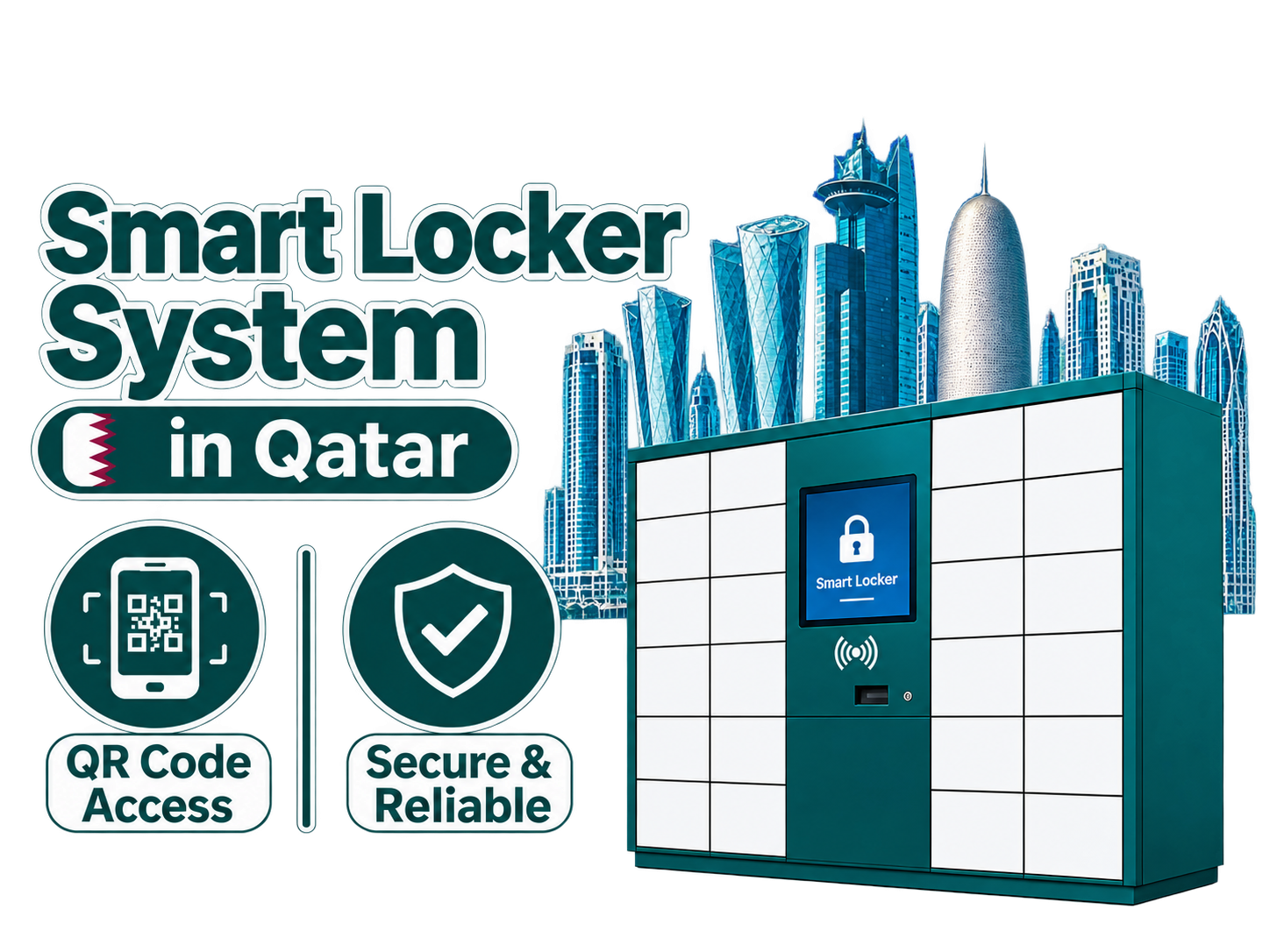
Replacing old key cabinets with a modern Smart Locker System is one of the simplest upgrades a Qatari facility can make. Hospitals, universities, offices, malls, and transport hubs all gain faster service, safer storage, and complete records. This article shows how to plan the upgrade step by step and what to expect at each stage.
Part One: Why Upgrade Now
Qatar's facilities are growing quickly. New districts, expanding hospitals and campuses, and a steady flow of visitors place heavy demand on spaces that were designed for simpler times. Storage that depends on keys, paper registers, and staff memory cannot keep up.
An upgrade does not mean starting again. Most facilities keep their rooms and layouts and simply replace old cabinets with electronic doors that open by phone, card, or face, managed from one screen.
Part Two: Before and After
Before an upgrade, a staff member keeps a bunch of keys, writes names in a book, and spends minutes finding the right cabinet. Lost keys mean locksmith visits, and nobody can say who opened what, or when.
After an upgrade, users open their own door with a code on their phone. The system records every opening, frees the door automatically when the booking ends, and alerts staff if something is wrong. Queues shrink, losses fall, and staff time goes to people instead of keys.
Part Three: What the Upgraded System Contains
The Hardware
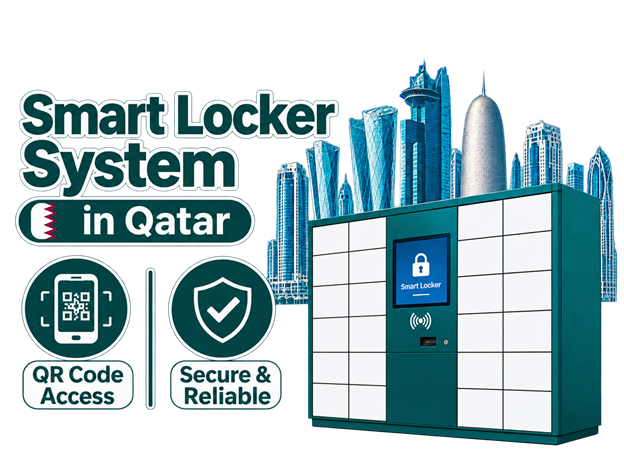
An Electronic Locker System replaces mechanical keys with electronic locks and a touch screen or mobile link. Doors open only when a valid credential is shown, and sensors confirm whether a door is closed, so staff always know the real status of every compartment.
The Credentials
A Digital Locker System gives each user a digital credential instead of a key. A QR code on a phone, a one time code by message, or a mobile pass opens only the assigned door, and the credential expires automatically when the booking ends.
Face Recognition Locker Access adds a fast, touch free option for staff and members. A user looks at the screen, the system matches the face to an enrolled record, and the right door opens. Clear consent rules and strong privacy controls protect the data.
Many Qatari facility managers begin by studying intelligent storage upgrade options for Qatari facilities to see how an upgrade would look in their own buildings.
The Brain
Locker Management Software controls every door and user. Administrators set rules, assign compartments, send alerts, and view usage by hour, location, and door size. Cloud management lets a head office oversee many sites without visiting each one.
The Platform
TekLocker brings the doors, the credentials, and the software together into one managed platform. It connects with staff directories, patient and student records, and booking tools, so the right person receives the right credential automatically and removing a user closes their access at once.
Part Four: A Five Step Upgrade Plan
Step one is a survey. List every cabinet and key in the facility, who uses them, and how often. Step two is a design that matches door sizes and locations to real needs. Step three is a pilot at one site to learn what works in practice.
Step four is migration. Users are enrolled, old cabinets are removed in stages, and staff are trained on the new routine. Step five is review: after the first month, adjust door sizes, rules, and reports, then extend the upgrade to other areas.
A Locker System that is planned this way causes little disruption. Users keep access to storage throughout the change, and each stage is proven before the next begins.
Part Five: Where the Upgrade Helps Most
Hospitals gain safe storage for staff belongings and patient items, plus controlled handover of supplies. Universities and schools give students secure space for books and devices. Offices handle shared desks, parcels, and equipment loans without paperwork.
Malls and tourist sites offer luggage storage and click and collect. Transport hubs such as Hamad International Airport and Doha Metro stations serve travellers who need a safe place for bags between connections.
Part Six: Design for the Qatari Climate
Qatar's heat and dust shape good design. Choose hardware rated for high temperatures, keep indoor units in shaded and ventilated areas, and seal enclosures against dust. Outdoor units need extra protection from sun and sand.
Plan backup batteries so doors still open during power cuts, and use clear signs in Arabic and English. Include low units that wheelchair users can reach, and a mix of compartment sizes for bags, parcels, and equipment.
Part Seven: Security and Privacy
Strong panels, tamper alarms, and a full log of every opening protect the contents, and repeated failed attempts raise an alert. Privacy rules matter too: collect only the data that is needed, keep it for a limited time, and let users withdraw consent easily.
Part Eight: Qatari Rules and Authorities
User data is personal data. Law Number 13 of 2016 on personal data privacy sets duties on consent, purpose, and storage. The National Cyber Security Agency guides national cyber policy, and the Ministry of Communications and Information Technology leads digital transformation.
Qatar Civil Defence sets rules for exits and fire safety, and suppliers with ISO 27001 aligned practices add confidence for facility owners. These upgrades also support the aims of Qatar National Vision 2030 for smarter and more efficient services.
Part Nine: Upgrades Across Qatar
A Smart Locker System Qatar plan should work for every site in a portfolio, with shared policies, one credential style, and central reports. Owners can then compare sites on equal terms, train staff once, and move equipment between locations as needs change.
Smart Locker System Doha projects often serve hospitals, Education City campuses, malls, and offices in West Bay, Lusail, and Msheireb. Heavy visitor numbers, long opening hours, and high design expectations call for fast screens and durable doors.
Part Ten: Cost, Return, and Mistakes to Avoid
Costs include doors, installation, software, and support. Returns come from saved staff time, fewer lost items, lower locksmith bills, and better data for planning space. Compare total cost over five years and not only the purchase price.
Common mistakes include too few large doors, units hidden in corners, unclear signs, no rule for abandoned items, and no named owner for the system. A short-written policy and a trained administrator prevent most of these problems.
Part Eleven: Proof Points That Build Trust
Ask every supplier for a site survey, installation drawings, tested software, staff training, a privacy statement, and a support agreement with clear response times. Experience in hospitals, campuses, offices, and malls shows practical knowledge, and references from similar sites give extra confidence.
A short assessment is the best first step, and a storage upgrade review for facilities in Qatar will show how many doors and which sizes are really needed.
Part Twelve: Getting Started and Measuring
Start with one site and one use case, train staff, place clear signs, and track door usage, fault reports, and queue times for the first month. Then adjust compartment sizes and rules before expanding.
Report a few numbers every month: share of doors in use, average storage time, fault reports, and user satisfaction. When owners see fewer lost items, shorter queues, and happier staff, they are more willing to fund further improvements.
When you are ready to compare options, explore modern contactless storage technology for Qatar and match each feature to your timetable and budget.
Conclusion
A modern Smart Locker System is one of the simplest and most valuable upgrades a Qatari facility can make. Every Locker System, whether an Electronic Locker System or a Digital Locker System, works best when it follows one design. TekLocker joins Face Recognition Locker Access and Locker Management Software into one platform that is easy to run. A planned Smart Locker System Qatar rollout, including Smart Locker System Doha sites, keeps records consistent and secure. Contact Tektronix today to arrange your storage upgrade assessment.

 English
 Arabic
 French
 Spanish
 Portuguese
 Deutsch
 Dutch
 Italiano
 Russian
 Romaian
 Portuguese (Brazil)
 Greek
