


The Role of Mechanical Aeration in Everyday Aquaculture Management
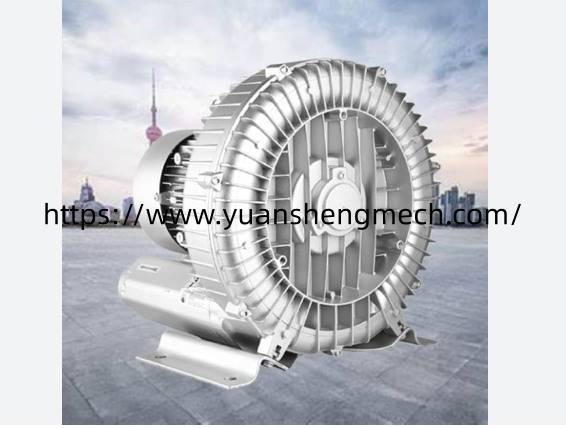
Successful aquaculture management depends on maintaining a balanced environment in which aquatic animals can develop under suitable water conditions. As fish farming operations become more organized, equipment selection has become an important part of improving daily pond management. In particular, an Aquaculture Machine Aerator helps farmers support oxygen exchange and water circulation, making it a valuable part of many modern aquatic farming systems. Understanding its construction, operating principles, and practical applications can help buyers select equipment that matches their production environment.
The materials used in aeration machinery have a significant influence on its durability and suitability for outdoor aquatic environments. Since these machines are regularly exposed to water, humidity, sunlight, and mechanical movement, their components need to withstand different forms of environmental stress. Material selection should therefore be considered throughout the manufacturing process.
Metal materials are frequently used in supporting frames and mechanical structures because they provide the strength needed for equipment stability. Stainless steel is particularly relevant for components that require corrosion resistance, while galvanized metal can offer additional surface protection in suitable operating environments. Manufacturers also need to consider the quality of welding, surface finishing, and component connections.
Engineering plastics are another important material category. Floating components often benefit from lightweight construction because it makes transportation, installation, and equipment positioning more convenient. Suitable plastics can also provide resistance to moisture and environmental exposure. Their application in impeller assemblies and protective structures can contribute to a practical overall design.
The selection of materials should reflect the conditions in which the equipment will operate. Freshwater ponds, outdoor fish farms, and other aquatic environments may expose machinery to different levels of corrosion, contamination, and mechanical wear. Choosing appropriate materials helps manufacturers develop products that are better suited to these conditions.
When purchasing aeration equipment, farmers should begin by understanding the characteristics of their farming facilities. Different aquaculture operations have different management requirements, and equipment should be selected according to the actual pond environment rather than general product descriptions.
Pond layout is an important factor. Some facilities have relatively open water areas, while others contain separate farming sections, irregular boundaries, or different feeding locations. These conditions can influence equipment placement and the distribution of water movement. Buyers should consider how aerators will work alongside existing water circulation arrangements.
Another consideration is the type of aquatic farming activity. Different species and farming methods may have different environmental management requirements. Understanding stocking practices, feeding routines, and water quality conditions can help operators determine which type of aeration equipment is appropriate.
Product construction and supplier support should also influence purchasing decisions. Buyers can examine the supporting structure, rotating components, electrical protection, and floating arrangements to understand how the equipment is designed. Access to replacement parts, installation guidance, and technical assistance can also make a difference when equipment becomes part of a long-term farming operation.
The working process of mechanical aeration involves more than simply moving water. Different aeration structures create different patterns of circulation and encourage contact between water and the surrounding air. These processes contribute to oxygen exchange and help reduce areas where water movement may be limited.
The rotating assembly is central to many mechanical aeration systems. Depending on the equipment design, impellers or paddles interact with the water to create movement across the pond. The resulting circulation can help distribute oxygenated water and support a more active aquatic environment.
Motor and transmission components are equally important. They provide the mechanical power required for continuous operation and need to work together with the rotating structure. A well-integrated assembly can support smoother operation and help reduce unnecessary vibration. Protective arrangements also play a role in safeguarding electrical components against environmental exposure.
Different aeration designs serve different purposes. Some focus on creating surface movement, while others are developed to influence circulation across a broader area. Understanding these functional differences allows farmers to select equipment based on their actual water management priorities.
For daily users, convenience is an important part of equipment quality. Aerators need to fit into existing farm routines without creating unnecessary difficulties during installation or operation. Equipment that is straightforward to position and inspect can make pond management more manageable for workers.
Stability is particularly important because aeration machinery operates directly in an aquatic environment. Floating structures should remain properly positioned, while supporting frames need to maintain their structural integrity during operation. Reliable connections between components can also help reduce maintenance concerns.
Farmers should pay attention to routine inspection and equipment cleanliness. Accumulated debris, damaged connections, and unusual mechanical behavior may affect operation if they are not addressed. Convenient access to important components makes these checks easier and helps operators organize maintenance activities.
The user experience is also influenced by communication with the manufacturer. Clear operating instructions, practical installation recommendations, and accessible technical support can help distributors and farm operators understand how to use equipment appropriately. These services are particularly valuable when machinery is installed in unfamiliar farming environments.
Product appearance and structural arrangement also influence practical usability. Modern aeration machinery needs to combine functional construction with an organized external design. The motor, supporting frame, floating components, and rotating assembly should be arranged in a way that supports installation and routine inspection.
A well-finished exterior can help protect equipment from environmental exposure while contributing to a professional product presentation. Smooth surfaces, properly assembled connections, and carefully designed protective structures reflect attention to manufacturing quality. These details are relevant to buyers who evaluate machinery not only through its operating functions but also through its overall construction.
Manufacturers must also consider transportation and storage during product development. Equipment with a practical structural arrangement can be easier to package, handle, and distribute. This is particularly important for international buyers and distributors who need machinery that can be integrated into different aquaculture markets.
Taizhou Yuansheng Aquacul Ture Machinery Co., Ltd. specializes in aquaculture machinery and offers various solutions for pond aeration and water management, including different mechanical aeration products. Its product development activities reflect the importance of combining practical construction, suitable materials, and functional design for aquatic farming environments. Buyers, distributors, and aquaculture professionals who want to explore its product range and learn more about its manufacturing capabilities can visit the official website: https://www.yuanshengmech.com/

 English
 Arabic
 French
 Spanish
 Portuguese
 Deutsch
 Turkish
 Dutch
 Italiano
 Russian
 Portuguese (Brazil)
 Greek
