


Best Plastic Surgeons in Dubai Explore Sculptra Fillers for Chin Aging
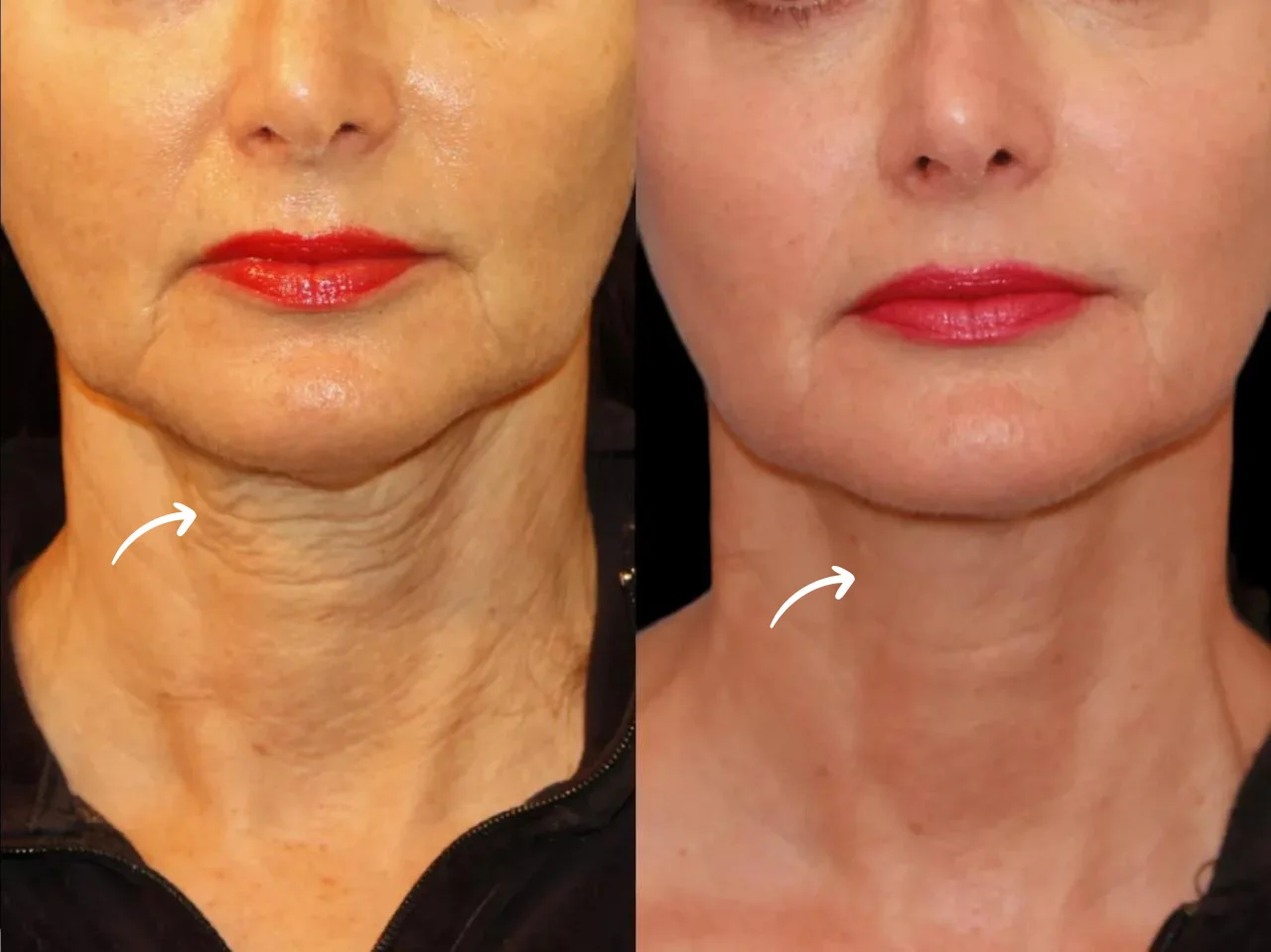
The chin plays an important role in defining the lower face, supporting facial proportions, and creating a balanced profile. Although it may receive less attention than the cheeks or forehead, changes in this area can significantly influence overall facial appearance. As the skin ages, reduced collagen production, changes in underlying fat distribution, and gradual structural changes can affect chin definition. Fine lines, a less defined contour, and wrinkles around the mouth and chin may become more noticeable over time.
Modern aesthetic treatments offer different approaches to addressing these changes without necessarily requiring surgery. Sculptra is a collagen-stimulating injectable that works gradually by encouraging the body's natural collagen production. Rather than simply providing immediate volume, it supports progressive improvements in selected facial concerns. Understanding how this treatment works, its potential applications, and its limitations can help individuals make informed decisions about chin rejuvenation.
How Best Plastic Surgeons in Dubai Approach Age-Related Chin Changes
The Best Plastic Surgeons in Dubai evaluate the chin as part of the entire lower facial structure rather than treating it as an isolated feature. Age-related changes may involve reduced skin elasticity, changes in soft-tissue support, deeper chin creases, and alterations in the transition between the chin and jawline. A detailed assessment helps identify which changes are related to collagen loss and which may require a different treatment approach.
The chin contains several anatomical structures, including skin, subcutaneous fat, muscles, and underlying bone. Each contributes to its shape and appearance. As these structures change over time, the chin may develop a softer contour or more noticeable lines. Understanding these differences is essential when planning a treatment that aims to maintain natural facial proportions.
Why Does the Chin Change With Age?
Collagen and elastin are important proteins that help maintain skin firmness and flexibility. Their gradual decline can make the skin less resilient, allowing fine lines and folds to become more visible.
Several factors contribute to age-related chin changes:
- Reduced Collagen Production: Lower collagen levels can affect skin firmness and contribute to visible creasing.
- Changes in Fat Distribution: Shifts in facial fat compartments may influence the fullness and definition of the chin.
- Muscle Activity: Repeated movement of the mentalis muscle can contribute to the development of chin dimpling and a textured appearance.
- Structural Changes: Age-related changes in underlying bone support may influence the relationship between the chin and surrounding facial tissues.
- Skin Elasticity: Reduced elasticity can make the skin appear less smooth, particularly around the lower lip and chin.
These changes do not occur at the same rate in everyone. Genetics, environmental exposure, lifestyle, and individual anatomy all influence how the chin ages.
Understanding Common Chin Aging Patterns
Different aging patterns require different considerations. Some people develop fine horizontal lines across the chin, while others notice small dimples or a rough, uneven surface. Changes in the surrounding lower face may also make the chin appear less defined.
A practitioner should distinguish between wrinkles caused by skin changes, dimpling associated with muscle activity, and contour concerns related to underlying structure. This distinction helps determine whether collagen stimulation, another injectable treatment, or a different procedure is more appropriate.
Why Best Aesthetic Clinics in Dubai Focus on Personalized Chin Rejuvenation
The Best Aesthetic Clinics in Dubai understand that chin rejuvenation requires an individualized approach because facial anatomy and aging patterns differ between patients. A treatment that improves one person's skin texture may not address another person's concerns about chin projection or jawline definition.
A proper consultation should include an assessment of skin quality, facial proportions, muscle movement, previous injectable treatments, and medical history. The practitioner should also explain which improvements are realistic and whether Sculptra is appropriate for the intended treatment area.
Evaluating the Relationship Between the Chin and Lower Face
The chin contributes to the balance of the lower third of the face. Its appearance is closely connected to the lips, jawline, and surrounding soft tissues. For this reason, treating chin wrinkles without considering neighboring areas may not produce the most balanced result.
A comprehensive facial assessment may examine:
- The depth and direction of visible chin wrinkles.
- The presence of dimpling during facial expressions.
- Skin thickness and elasticity.
- The relationship between chin projection and jawline definition.
- Changes in surrounding facial volume.
- Whether muscle activity contributes to the visible concern.
This evaluation helps establish whether the primary goal should be improving skin quality, addressing dynamic muscle movement, or restoring selected areas of volume.
How Sculptra Fillers Clinics in Dubai Evaluate Collagen Stimulation for Chin Aging
Experienced Sculptra Fillers Clinics in Dubai consider the patient's facial anatomy, skin condition, and treatment objectives before recommending collagen-stimulating injections. Sculptra contains poly-L-lactic acid (PLLA), a biocompatible synthetic material that encourages collagen production over time.
Unlike conventional hyaluronic acid fillers, which primarily provide immediate volume, Sculptra works through a gradual biological response. As the PLLA particles are absorbed, the collagen response can contribute to improvements in selected wrinkles and facial volume-related concerns.
The treatment is not intended to change every structural feature of the chin. Its suitability depends on the specific concern, injection technique, product instructions, and the practitioner's clinical judgment.
How Does Sculptra Work Beneath the Skin?
Sculptra is supplied as a powder that is prepared into a suspension before administration. A trained practitioner injects the prepared product into appropriate tissue planes according to the treatment plan.
After administration, the PLLA particles stimulate a collagen-building response. Over time, newly produced collagen can contribute to improved tissue support and a smoother appearance in suitable treatment areas.
This process differs from treatments that immediately fill a depression. The results develop gradually, and the number of sessions depends on individual needs and clinical assessment.
Can Collagen Stimulation Improve Chin Wrinkles?
Selected chin wrinkles may be considered during a collagen-stimulating treatment assessment. The product's approved information and local regulatory status should be reviewed before treatment. Suitability also depends on the practitioner's assessment.
It is important to distinguish fine wrinkles from deeper structural concerns. Sculptra does not directly reposition loose skin, correct significant bone-related changes, or relax an overactive muscle. A different procedure may be more appropriate when these issues are responsible for the appearance of the chin.
The Role of Professional Experience in Natural Chin Enhancement
The Best Plastic Surgeons in Dubai consider both aesthetic objectives and anatomical safety when recommending injectable procedures. The chin contains important muscles, blood vessels, and surrounding structures that require careful consideration during treatment.
Professional experience helps practitioners assess the injection area, select an appropriate technique, recognize possible complications, and explain alternative procedures. It also helps prevent unrealistic expectations about what collagen stimulation can achieve.
Questions to Discuss Before Choosing Treatment
Before undergoing Sculptra treatment, consider discussing these points during consultation:
- What is causing the visible changes in the chin?
- Is collagen loss the main concern, or are muscle activity and structural changes involved?
- Is Sculptra appropriate for the intended treatment area?
- How many treatment sessions may be needed?
- When should improvements become noticeable?
- What side effects and complications should be considered?
- Are alternative treatments more appropriate?
- What follow-up arrangements are available?
Celebrity Doctors in Dubai may receive attention for their visibility and professional reputation, but popularity should not replace clinical assessment. Relevant qualifications, experience with injectable treatments, anatomical knowledge, and transparent discussions about risks are more important factors when choosing a practitioner.
Comparing Sculptra With Other Approaches to Chin Aging
Not every sign of chin aging has the same cause. Selecting a suitable procedure requires understanding the difference between skin wrinkles, muscle-related dimpling, volume changes, and reduced structural support.
Sculptra and Hyaluronic Acid Fillers
Traditional hyaluronic acid fillers provide immediate volume and can be used to address selected contour concerns. Sculptra focuses on gradual collagen stimulation and is not intended to provide the same immediate correction.
The choice between these approaches depends on the desired outcome. A person with a localized chin depression may benefit from a different approach than someone experiencing broader changes in skin quality.
Sculptra and Muscle-Relaxing Treatments
Chin dimpling can sometimes be associated with repeated contraction of the mentalis muscle. In suitable cases, a muscle-relaxing treatment may help address this dynamic concern.
However, muscle-relaxing treatments do not stimulate collagen production or directly restore lost skin support. A practitioner must identify whether the visible texture is caused by muscle activity, skin changes, or a combination of factors.
Sculptra and Surgical Chin Procedures
Surgical chin augmentation changes structural projection, whereas Sculptra focuses on collagen stimulation and selected soft-tissue concerns. Significant changes in chin shape or projection may require a structural treatment rather than an injectable procedure.
Understanding these differences helps prevent choosing a treatment based only on its popularity.
Understanding Different Sculptra Applications and Treatment Areas
Sculptra is primarily discussed in relation to facial collagen stimulation, but aesthetic treatment terminology also includes different facial and body applications. Each area has distinct anatomical characteristics, and a product's suitability for one location does not automatically establish its suitability for another.
Facial Applications and Skin Quality
The term sculptra dermal filler is commonly used when describing this collagen-stimulating injectable. However, its mechanism is different from conventional gel-based fillers.
When discussing sculptra fillers, it is important to understand their intended use, expected results, and treatment limitations. The product may be considered for selected facial wrinkles and volume-related concerns when clinically appropriate.
A treatment plan involving sculptra face applications should account for facial anatomy and the specific changes being addressed. The cheeks, lower face, and chin may have different treatment considerations.
For example, sculptra cheeks treatments are associated with selected cheek wrinkles and collagen-related facial concerns. However, the technique and suitability for the cheek region should not automatically be applied to the chin.
The sculptra for neck treatment concept also requires separate consideration because neck skin is thinner and has different anatomical characteristics from facial skin. A practitioner should evaluate local product authorization, clinical evidence, treatment risks, and whether the proposed use is appropriate. Facial suitability should never be assumed to establish neck suitability.
Understanding Body-Contouring Discussions
Some aesthetic treatment discussions also involve sculptra for buttocks, particularly when addressing volume and contour concerns. However, facial and body applications are not interchangeable, and the safety evidence and regulatory status must be considered separately.
The term sculptra buttock injections is sometimes used when discussing non-surgical body contouring. Before considering this approach, it is essential to establish whether the intended use is locally authorized and supported by appropriate clinical evidence.
Similarly, buttocks sculptra is a phrase associated with aesthetic discussions about buttock volume. Any proposed treatment should involve a detailed assessment of product suitability, injection technique, potential complications, and available alternatives.
Sculptra for hip dips is another term used in body-contouring discussions. Hip dips are influenced by pelvic anatomy, muscle distribution, and the natural arrangement of underlying soft tissues. An injectable cannot alter the underlying bone structure, and potential contour changes should not be overstated.
The phrase sculptra filler for buttocks is also used in relation to these procedures. However, individuals should understand that body use may differ from established facial indications. A qualified practitioner must explain the evidence, local regulatory requirements, and potential risks before any such treatment is considered.
Treatment Safety, Preparation, and Recovery
Although Sculptra is a non-surgical injectable, it remains a medical procedure. Appropriate patient selection, product preparation, sterile technique, and anatomical knowledge are essential for reducing avoidable risks.
Potential Side Effects and Complications
Common treatment-related reactions may include:
- Swelling around the injection site.
- Redness and tenderness.
- Bruising and mild discomfort.
- Temporary itching.
- Small lumps or palpable areas beneath the skin.
Some complications, including persistent nodules and inflammatory reactions, may develop later. More serious complications can occur if the product is unintentionally injected into a blood vessel.
Severe or unusual pain, changes in skin color, vision disturbances, or symptoms resembling a stroke require immediate medical attention.
Who May Not Be Suitable for Sculptra?
Sculptra is not appropriate for everyone. Product labeling identifies important contraindications, including hypersensitivity to product ingredients and a history or susceptibility to keloid formation or hypertrophic scarring.
Treatment should also be postponed when there is an active infection or certain skin conditions in the intended treatment area. Safety has not been established for pregnancy and breastfeeding, so these circumstances require careful medical consideration.
Patients should disclose their complete medical history, current medications, allergies, previous injectable treatments, and any history of adverse reactions before proceeding.
Supporting Recovery After Treatment
Aftercare instructions depend on the treatment area and the practitioner's technique. Patients should follow the specific guidance provided during their appointment rather than applying recommendations from unrelated procedures.
Follow-up appointments allow the practitioner to assess healing, evaluate the treatment response, and determine whether additional sessions are appropriate. Since collagen-related changes develop gradually, patience is an important part of the process.
Understanding Sculptra Cost and Treatment Planning
The overall treatment expense depends on several factors, including the quantity of product, number of sessions, practitioner's experience, treatment complexity, and clinic fees.
The sculptra cost should be explained clearly before treatment. Patients should understand what is included in the proposed plan, whether follow-up appointments are required, and whether additional sessions may involve separate charges.
The sculptra price can vary according to individual treatment requirements and the provider's pricing structure. Comparing estimates should therefore involve more than looking at the initial amount. Product authenticity, practitioner qualifications, clinical standards, and appropriate follow-up arrangements also matter.
A transparent consultation helps establish realistic expectations about both the financial commitment and the potential treatment outcome.
Exploring Sculptra Treatments at Perfect Doctors Clinic
At Perfect Doctors Clinic, aesthetic treatment discussions can focus on individual facial concerns, skin quality, and the suitability of available non-surgical options. An assessment of chin aging should consider whether the primary concern involves wrinkles, skin texture, muscle movement, or changes in underlying facial structure.
Dr. Perfect Celebrity can be referenced in the context of the clinic's aesthetic treatment consultations, with relevant professional qualifications and experience discussed as part of the treatment decision.
For individuals considering sculptra in Dubai, a detailed consultation is an important starting point. It allows the practitioner to explain the treatment mechanism, expected timeline, potential complications, and available alternatives. The objective should be an informed decision based on medical suitability rather than a promise of a particular appearance.
Conclusion
Chin aging involves more than the appearance of a few fine lines. Changes in collagen, skin elasticity, muscle activity, fat distribution, and underlying facial structure can all influence the lower face over time.
Sculptra offers a gradual collagen-stimulating approach that may help address selected facial wrinkles and volume-related concerns. However, it does not replace treatments designed for muscle activity, significant skin laxity, or structural chin changes. A comprehensive assessment helps determine whether it is an appropriate option.
Choosing an experienced practitioner, understanding the product's limitations, and maintaining realistic expectations are essential parts of responsible aesthetic treatment planning. With an individualized approach, patients can make informed decisions about maintaining natural-looking facial balance as the chin changes with age.
Frequently Asked Questions
1. What Causes the Chin to Change With Age?
Chin aging is influenced by reduced collagen production, changes in skin elasticity, fat redistribution, muscle activity, and gradual changes in underlying bone support. These factors can contribute to wrinkles, dimpling, and reduced contour definition.
2. Can Sculptra Help Improve Chin Wrinkles?
Sculptra may be considered for selected facial wrinkles, including chin wrinkles, depending on the product's local authorization and the practitioner's assessment. It stimulates collagen production gradually rather than providing immediate correction.
3. How Does Sculptra Stimulate Collagen Production?
Sculptra contains poly-L-lactic acid particles that stimulate a collagen-building response after injection. As the material is gradually absorbed, newly produced collagen can contribute to improvements in selected facial concerns.
4. How Long Does It Take to See Sculptra Results?
Results develop gradually over several weeks and may continue to improve over time. The timeline varies according to individual collagen response, treatment technique, and the number of sessions.
5. Is Sculptra Better Than Hyaluronic Acid Fillers for Chin Aging?
Neither treatment is universally better. Sculptra focuses on gradual collagen stimulation, whereas hyaluronic acid fillers provide immediate volume. The appropriate option depends on the specific concern and desired outcome.
6. Can Sculptra Correct Chin Dimpling?
Chin dimpling may result from mentalis muscle activity, skin changes, or a combination of factors. Sculptra does not relax muscles, so a practitioner must identify the underlying cause before recommending treatment.
7. How Many Sculptra Sessions Are Needed?
The number of sessions varies according to individual needs, treatment objectives, and clinical response. A practitioner determines the appropriate schedule after assessing the treatment area.
8. What Are the Possible Side Effects of Sculptra?
Common side effects include swelling, bruising, redness, tenderness, itching, and small lumps. Less common complications include persistent nodules and vascular complications, which require appropriate medical attention.
9. Can Sculptra Be Used for Other Facial and Body Areas?
Sculptra is associated with selected facial applications, but other proposed treatment areas require separate consideration. The product's local authorization, clinical evidence, anatomy, and safety profile must be evaluated before treatment.
10. What Should Be Discussed Before Sculptra Chin Treatment?
Patients should discuss their medical history, chin anatomy, treatment objectives, expected results, possible complications, number of sessions, total expenses, and available alternatives. Practitioner qualifications and follow-up arrangements should also be reviewed.

 English
 Arabic
 French
 Spanish
 Portuguese
 Deutsch
 Turkish
 Dutch
 Italiano
 Romaian
 Portuguese (Brazil)
 Greek
