


How Care Providers Maintain High Standards of Quality and Safety
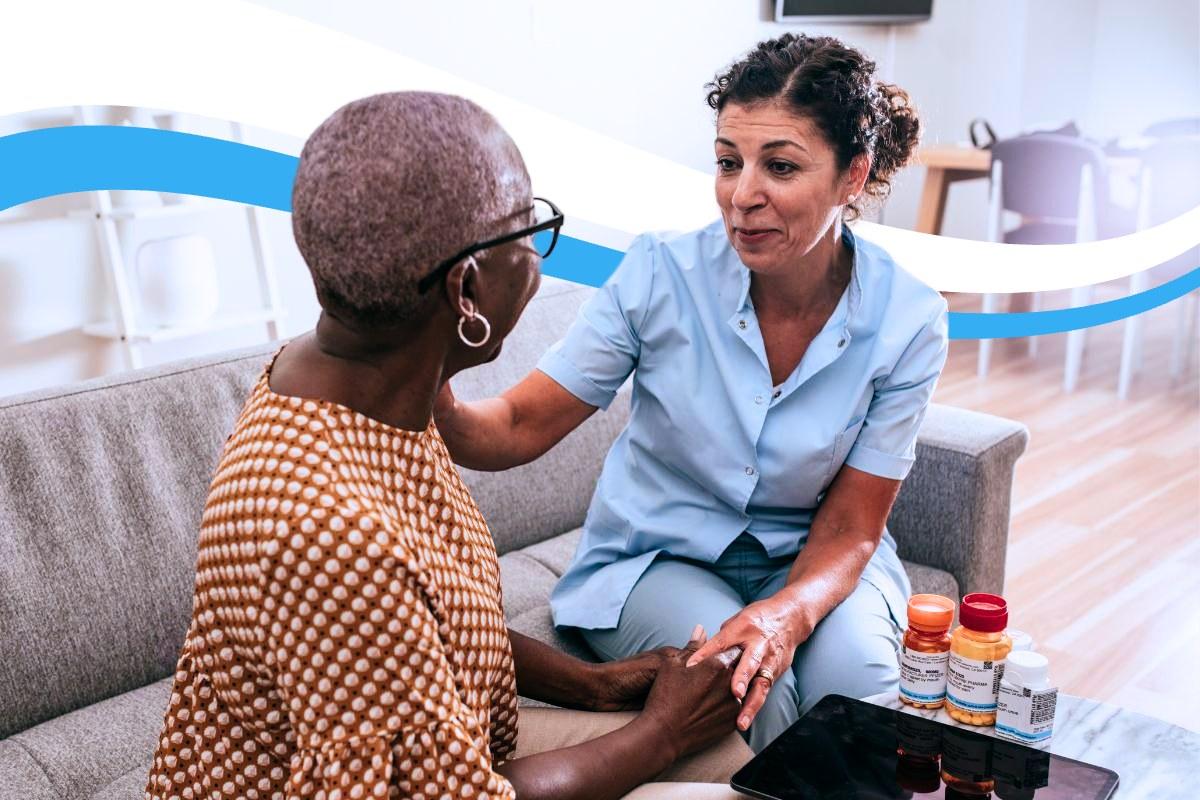
Delivering exceptional health and social care requires far more than good intentions; it demands rigorous systems, continuous oversight, and an unwavering commitment to human dignity. Whether operating a residential care home, a supported living facility, or a domiciliary home-care agency, care providers are entrusted with the physical, emotional, and psychological wellbeing of society's most vulnerable individuals. Maintaining consistently high standards of quality and safety is an ongoing operational priority that protects residents from preventable harm, reassures families, and satisfies strict statutory regulators. By combining structured staff training, robust clinical governance, and person-centered practices, leading care organizations create safe, nurturing environments where individuals can live with comfort, autonomy, and respect.
Recruiting and Onboarding Competent, Compassionate Staff
The foundation of every safe, high-performing care service is the quality of its frontline workforce. Reputable care providers begin protecting service users long before a new carer steps onto the floor by implementing thorough safer-recruitment protocols. This includes enhanced background checks, verified employment histories, and values-based interviews designed to assess genuine empathy alongside practical aptitude. Once hired, structured induction programs ensure that newcomers never feel thrown into the deep end without proper guidance. Many forward-thinking organizations require new recruits to complete an accredited care certificate course during their onboarding phase, establishing uniform proficiency across vital areas such as safeguarding, infection control, fluid and nutrition management, and duty of care. Pairing structured induction learning with supervised shadow shifts guarantees that every staff member meets essential safety benchmarks before working independently.
Implementing Robust Clinical Governance and Quality Audits
Even the most dedicated care teams rely on clear operational frameworks to prevent oversights and maintain consistency across every shift. High-performing care providers establish comprehensive clinical governance systems that monitor daily performance, track clinical outcomes, and identify emerging risks before they escalate into serious incidents. Regular internal audits—covering medication administration records, infection prevention protocols, falls logs, and care plan accuracy—provide management with objective data on service quality.
-
Medication Management Audits: Conducting weekly stock checks and reviewing MAR charts to eliminate missed doses or transcription errors.
-
Infection Prevention and Control: Performing routine hygiene inspections, PPE compliance checks, and deep-cleaning schedules to safeguard immunocompromised residents.
-
Environmental Safety Walks: Inspecting fire exits, mobility equipment, call-bell response times, and water temperatures to maintain hazard-free premises.
When audit findings reveal even minor gaps, effective leaders implement immediate corrective action plans and share lessons learned across the entire team.
Championing Person-Centered Care and Individual Autonomy
True quality in social care cannot be measured purely through clinical checklists; it is equally defined by how deeply a service respects each person's individuality, preferences, and choices. Standardized, institutional routines often strip away a resident's sense of identity and control. To prevent this, leading care providers place person-centered care at the heart of every interaction. Care plans are co-produced alongside the individual and their loved ones, capturing life histories, cultural traditions, dietary preferences, and personal daily rhythms. Furthermore, staff are trained to uphold the principles of informed consent and mental capacity legislation, supporting individuals to make their own decisions wherever possible. When care is tailored to the unique human being rather than forcing the person to fit an organizational timetable, emotional wellbeing and trust flourish naturally.
Fostering an Open Culture of Safeguarding and Whistleblowing
A genuinely safe care environment is one where every staff member, resident, and visitor feels empowered to speak up immediately if something seems wrong. Historically, failures in care settings have often been linked to closed cultures where junior workers feared retaliation for reporting poor practice or understaffing. Modern care providers actively dismantle these barriers by cultivating transparent, non-punitive reporting cultures. Clear safeguarding policies, accessible whistleblowing channels, and regular supervision meetings encourage carers to flag subtle changes in a resident's mood, unexplained bruises, or procedural shortcuts without hesitation. When leadership responds to concerns swiftly, transparently, and constructively, small issues are resolved early, reinforcing collective accountability across the entire organization.
Leveraging Technology for Safer, More Responsive Care
Digital innovation has transformed how modern care providers monitor wellbeing and coordinate support. Replacing fragmented paper binders with secure electronic care management systems drastically reduces administrative errors and ensures that critical updates—such as a sudden allergy alert or a change in medication dosage—are visible to every carer in real time. Electronic Medication Administration Records (eMAR) use barcode scanning and automated prompts to prevent dosage mistakes, while discreet acoustic monitoring or smart fall-detection sensors allow night staff to respond rapidly without disturbing a resident's sleep. By adopting user-friendly digital tools, care providers free up valuable staff hours from paperwork, allowing carers to spend more meaningful face-to-face time building relationships with the people they support.
Engaging Families and External Professionals in Continuous Improvement
Maintaining excellence is never a solitary endeavor; the best care services treat families, advocates, and external healthcare professionals as active partners in quality assurance. Regular family forums, satisfaction surveys, and open-door management policies invite honest feedback about daily life within the service. Simultaneously, close collaboration with general practitioners, district nurses, pharmacists, and occupational therapists ensures seamless multidisciplinary care when complex health needs arise. By combining continuous staff development, transparent governance, and genuine partnership with families, care providers uphold the highest standards of safety and compassion every single day.

 English
 French
 Spanish
 Portuguese
 Deutsch
 Turkish
 Dutch
 Italiano
 Russian
 Romaian
 Portuguese (Brazil)
 Greek
