


Why Do You Keep Coughing? Common Causes Explained
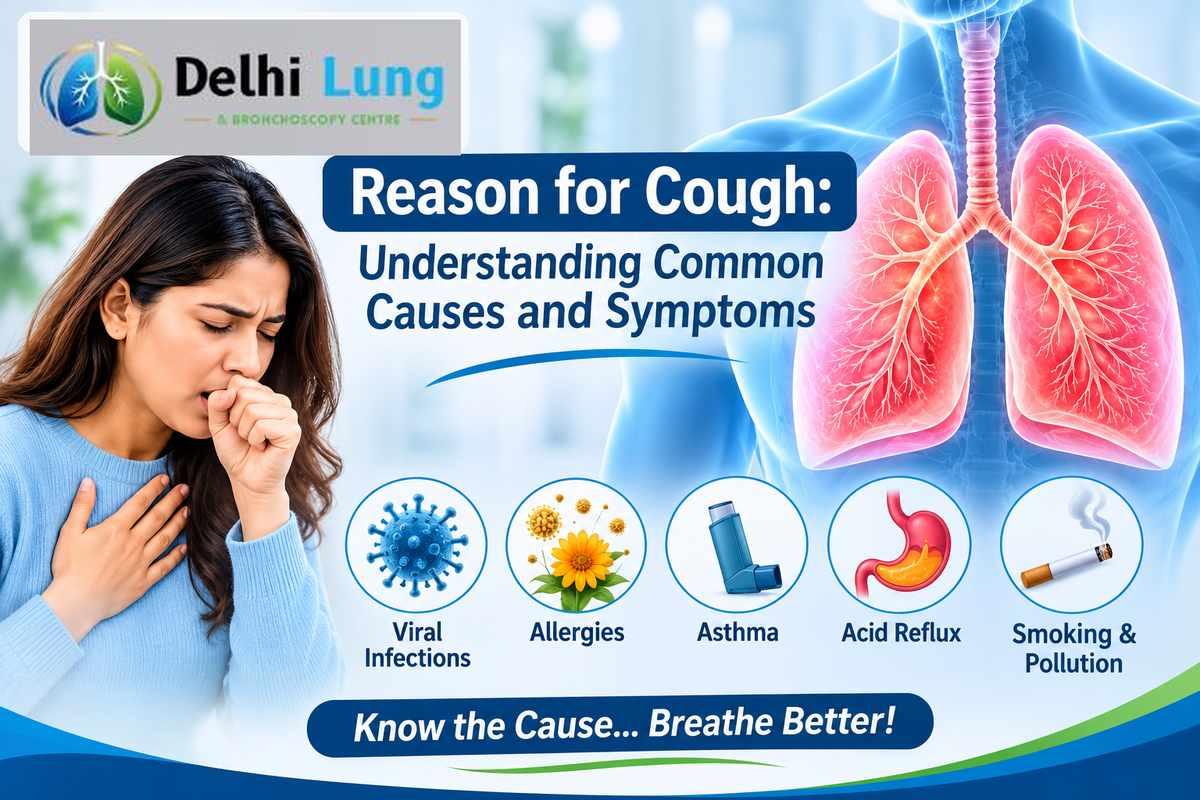
Coughing is a normal body reflex that helps protect your lungs and airways. It removes mucus, dust, and other substances that may irritate the respiratory system. However, frequent coughing can become uncomfortable, disturb your sleep, and affect your daily activities.
If you keep coughing for several days or weeks, you may wonder what is causing it. The reason for cough can range from a common cold to allergies, asthma, acid reflux, or another health condition.
Some coughs improve on their own, while others need medical attention. Understanding the possible causes can help you recognise your symptoms and take the right steps.
In this article, we will explain why you may keep coughing, what symptoms to watch for, and when you should consult a doctor.
Why Does Coughing Happen?
Coughing is a protective reflex. When something irritates your throat or airways, your body responds by coughing to remove it.
A cough may be triggered by:
-
Dust, smoke, or air pollution
-
Mucus collecting in the airways
-
Respiratory infections
-
Allergies
-
Inflammation of the airways
-
Certain medicines
The reason for cough depends on what is irritating the respiratory system and whether an underlying health condition is present.
An occasional cough is usually not a cause for concern. However, a cough that continues for several weeks or occurs with other symptoms should be assessed by a healthcare professional.
1. Common Cold and Viral Infections
A common cold is one of the most frequent causes of coughing.
It is usually caused by a virus that affects the nose and throat. Along with coughing, you may experience sneezing, a runny nose, a sore throat, or mild fever.
The cough may begin as a dry cough and later produce mucus. In some people, it continues even after the other cold symptoms have improved.
This happens because the airways may remain sensitive after the infection has settled.
Most coughs caused by a common cold improve within a few weeks. Rest, fluids, and avoiding smoke may help support recovery.
If the cough becomes worse, lasts longer than expected, or occurs with breathing difficulty, seek medical advice.
2. Allergies and Environmental Irritants
Allergies are another common reason for cough.
When a person with allergies comes into contact with a trigger, the immune system may respond by causing inflammation and irritation.
Common triggers include:
-
Dust and dust mites
-
Pollen from plants
-
Pet dander
-
Mould
-
Certain workplace substances
An allergy-related cough may occur with sneezing, itchy eyes, a runny nose, or throat irritation.
Some people notice that their coughing becomes worse during certain seasons or after cleaning a dusty room.
Smoke, vehicle emissions, and strong fumes can also irritate the airways. Reducing exposure to known triggers may help prevent repeated coughing.
If you suspect allergies are causing your symptoms, a doctor can help identify the possible trigger and recommend suitable treatment.
3. Asthma
Asthma is a long-term condition that causes inflammation and narrowing of the airways.
It can lead to coughing, wheezing, chest tightness, and shortness of breath.
For some people, coughing is the main symptom of asthma. This is sometimes called cough-variant asthma.
Asthma-related coughing may become worse:
-
During the night or early morning
-
After physical activity
-
In cold air
-
After exposure to smoke or dust
-
During an allergy flare-up
If you keep coughing at night or notice coughing after exercise, asthma may be one possible cause.
A doctor may recommend lung function tests to check how well air moves in and out of your lungs.
Asthma can usually be managed with appropriate treatment. Do not ignore repeated coughing or breathing symptoms, especially if they are becoming more frequent.
4. Postnasal Drip
Postnasal drip occurs when mucus from the nose or sinuses flows down the back of the throat.
It can happen because of allergies, a common cold, or sinus inflammation.
The mucus may irritate the throat and trigger coughing. Some people also feel the need to clear their throat frequently.
Common symptoms include:
-
A feeling of mucus in the throat
-
Frequent throat clearing
-
A blocked or runny nose
-
Coughing that becomes worse when lying down
The reason for cough may not always be in the lungs. Sometimes, irritation from the nose and throat can cause repeated coughing.
Treating the underlying nasal condition may help reduce symptoms.
5. Acid Reflux
Acid reflux happens when stomach contents flow back into the food pipe.
It may cause heartburn, a sour taste in the mouth, or irritation in the throat. Some people also experience a persistent cough.
Coughing due to reflux may become worse after meals or when lying down.
Not everyone with reflux experiences heartburn. A doctor can help determine whether acid reflux is contributing to your cough.
Depending on the cause, treatment may include changes in eating habits, avoiding late meals, or prescribed medicines.
6. Bronchitis and Other Respiratory Infections
Bronchitis is inflammation of the bronchial tubes, which carry air into the lungs.
It can cause a cough with mucus, chest discomfort, and tiredness. Acute bronchitis often develops after a viral infection.
The cough may continue for several weeks, even after the infection has improved.
Pneumonia is another respiratory infection that affects the lungs. It may cause cough, fever, chills, chest pain, and difficulty breathing.
The reason for cough can sometimes be difficult to identify from symptoms alone. If you have a persistent cough with fever, chest discomfort, or worsening breathlessness, consult a healthcare professional.
7. Smoking and COPD
Smoking can irritate and damage the airways. It may cause frequent coughing and increase mucus production.
Long-term smoking can also increase the risk of chronic obstructive pulmonary disease (COPD).
COPD is a long-term lung condition that can cause:
-
Persistent cough
-
Mucus production
-
Wheezing
-
Shortness of breath
-
Reduced ability to exercise
COPD is not the only possible reason for cough in smokers. However, a long-lasting cough should not be dismissed as simply a smoker's cough.
A doctor can assess your symptoms and recommend lung function testing if needed.
Stopping smoking is one of the most important steps for protecting lung health.
8. Certain Medicines
Some medicines can cause coughing as a side effect.
ACE inhibitors, a group of medicines commonly used to treat high blood pressure and certain heart conditions, can cause a persistent dry cough in some people.
If your cough begins after starting a new medicine, tell your doctor.
Do not stop or change prescribed medicines on your own. Your healthcare professional can decide whether a different medicine or another approach is appropriate.
Why Do You Keep Coughing at Night?
Coughing at night can happen for several reasons.
When you lie down, mucus from the nose may collect at the back of the throat. This can trigger coughing in people with postnasal drip.
Acid reflux may also become worse when lying down, causing throat irritation and coughing.
People with asthma may experience more symptoms during the night or early morning.
If coughing regularly interrupts your sleep, it is worth discussing with a doctor. The timing of your symptoms can help identify the possible reason for cough.
How Long Is Too Long for a Cough?
The duration of a cough can provide important information.
An acute cough usually lasts less than three weeks. It commonly occurs because of a cold or another short-term infection.
A subacute cough lasts between three and eight weeks. It may continue after a respiratory infection has improved.
A chronic cough lasts longer than eight weeks in adults.
Common causes of chronic cough include asthma, allergies, acid reflux, smoking-related lung disease, and certain medicines.
If your cough lasts longer than three weeks, keeps returning, or becomes worse, seek medical advice.
How Can You Reduce Frequent Coughing?
The best way to manage a cough is to identify and treat its underlying cause.
For mild coughing, some simple measures may provide relief:
Drink enough fluids: Water and warm drinks may help soothe the throat and keep mucus easier to clear.
Avoid smoke: Stay away from cigarette smoke, vaping, and other airway irritants.
Try honey: Honey may help reduce coughing in some adults and children over one year old. Never give honey to a child under one year.
Get enough rest: Rest can support recovery from a respiratory infection.
Reduce allergy exposure: Avoid known triggers such as dust or pollen where possible.
Follow prescribed treatment: If you have asthma or another long-term condition, use your medicines as directed by your healthcare professional.
Avoid taking antibiotics without medical advice. They do not treat viral infections and are not suitable for every cough.
When Should You See a Doctor?
You should seek medical advice if:
-
Your cough lasts longer than three weeks.
-
You keep coughing at night and cannot sleep properly.
-
You experience repeated wheezing or breathlessness.
-
You have unexplained weight loss or ongoing fever.
-
Your cough becomes worse instead of improving.
Seek urgent medical attention if you cough up blood, experience severe difficulty breathing, or develop sudden or severe chest pain.
Conclusion
There are many possible reasons why you may keep coughing. A common cold, allergies, asthma, postnasal drip, acid reflux, and respiratory infections are some of the common causes.
The reason for cough can often be understood by looking at how long it lasts, what triggers it, and whether other symptoms are present.
A mild cough may improve with time and simple home care. However, a persistent cough should not be ignored, especially if it affects your sleep or occurs with breathing problems.
Consult a qualified healthcare professional to understand the possible cause and receive appropriate treatment.
Medical disclaimer: This article is for general educational purposes only. It does not replace professional medical advice, diagnosis, or treatment.

 English
 Arabic
 French
 Spanish
 Portuguese
 Deutsch
 Dutch
 Italiano
 Russian
 Romaian
 Portuguese (Brazil)
 Greek
