


Understanding Inherited Blood Disorders and the Importance of Early Diagnosis
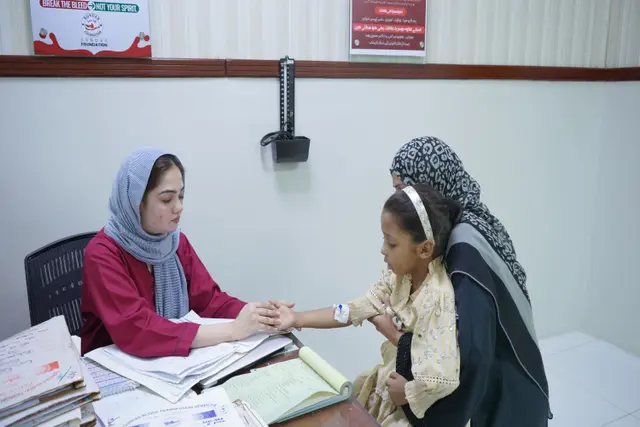
Blood plays an essential role in keeping the human body healthy. It carries oxygen, supports the immune system, and helps control bleeding after injuries. However, certain inherited conditions can affect how blood is produced or how it functions. These disorders may create lifelong medical challenges, particularly for children who need regular treatment and monitoring.
Understanding what is Thalassemia is an important starting point for families who want to learn about inherited blood conditions. Thalassemia affects hemoglobin production and can cause different levels of anemia. Another inherited condition, Hemophilia, affects the body's ability to form blood clots. Although both disorders are passed through families, they affect different parts of the blood system and require different treatment approaches.
Awareness, appropriate screening, and access to qualified healthcare professionals can help patients receive timely care and manage their conditions more effectively.
What Are Inherited Blood Disorders?
Inherited blood disorders are medical conditions caused by genetic changes passed from parents to children. These changes can affect red blood cells, hemoglobin, platelets, or proteins involved in blood clotting.
Some conditions cause problems with oxygen delivery, while others increase the risk of prolonged bleeding. The severity can vary from one person to another, even within the same family.
Early diagnosis is important because some inherited blood conditions may not produce obvious symptoms immediately after birth.
Understanding Thalassemia and Its Effects
Thalassemia is an inherited blood disorder that affects the body's ability to produce normal hemoglobin. Hemoglobin is a protein found in red blood cells that carries oxygen to different parts of the body.
When the body produces insufficient or abnormal hemoglobin, red blood cells may not function properly. This can lead to anemia, which may range from mild to severe depending on the type of Thalassemia.
Main Types of Thalassemia
There are two major forms of the condition.
Alpha Thalassemia: This develops when genetic changes affect the genes responsible for producing alpha-globin chains. Its severity depends on how many genes are affected.
Beta Thalassemia: This occurs when genetic changes reduce the production of beta-globin chains. It includes different forms, such as beta Thalassemia minor, intermedia, and major.
People with mild forms may experience few or no symptoms. Severe forms can require regular medical treatment and blood transfusions.
Common Symptoms of Thalassemia
Symptoms depend on the type and severity of the condition. Common signs may include:
-
Persistent tiredness and weakness.
-
Pale or yellowish skin.
-
Slow growth and delayed development in children.
-
Shortness of breath.
-
Enlarged spleen or abdomen.
-
Changes in bone structure in severe cases.
-
Frequent medical complications associated with anemia.
Parents should seek medical advice if a child shows persistent signs of anemia or unusual growth patterns.
How Is Thalassemia Diagnosed?
Doctors use blood tests and specialized investigations to identify the condition.
A complete blood count can reveal abnormalities in red blood cells and hemoglobin levels. Hemoglobin analysis helps identify different types of hemoglobin and may support diagnosis.
Genetic testing can provide additional information when needed. Early diagnosis also allows families to understand inheritance patterns and discuss appropriate medical care.
Understanding Hemophilia and Its Effects
Hemophilia is an inherited bleeding disorder in which the blood does not clot properly because certain clotting factors are missing or present at insufficient levels.
Normally, clotting factors work together with platelets to stop bleeding after an injury. When a required factor is deficient, bleeding may continue longer than expected.
The two most common forms are Hemophilia A and Hemophilia B.
Types of Hemophilia
Hemophilia A: Caused by a deficiency of clotting factor VIII. It is the more common form.
Hemophilia B: Caused by a deficiency of clotting factor IX.
Both conditions can vary in severity. Some individuals experience bleeding mainly after injuries or medical procedures, while others may experience spontaneous bleeding episodes.
Common Symptoms of Hemophilia
Symptoms can include:
-
Prolonged bleeding after cuts or injuries.
-
Unexplained or large bruises.
-
Frequent nosebleeds.
-
Bleeding after dental procedures.
-
Pain and swelling in joints.
-
Internal bleeding in muscles or other body tissues.
-
Blood in urine or stool in some cases.
Bleeding into joints can cause long-term damage if not treated properly. Severe or suspected internal bleeding requires urgent medical assessment.
The Difference Between Thalassemia and Hemophilia
Although both conditions are inherited, they affect different blood functions.
Thalassemia affects hemoglobin production and the ability of red blood cells to carry oxygen. Hemophilia affects the clotting process and makes it harder for the body to stop bleeding.
The distinction is important because their diagnosis and treatment are different.
Understanding the Hemophilia Definition
The hemophilia definition describes an inherited condition in which insufficient clotting factors interfere with normal blood clotting.
This deficiency can cause prolonged bleeding after injuries and, in more severe cases, spontaneous bleeding inside joints and muscles.
Hemophilia is commonly inherited through changes in genes located on the X chromosome. It affects males more frequently, although females can also experience bleeding symptoms and, in some cases, have Hemophilia.
Understanding the genetic pattern can help families discuss testing and inheritance risks with healthcare professionals.
Diagnosis and Medical Treatment
Both disorders require appropriate medical evaluation. Treatment depends on the patient's condition, symptoms, and test results.
Treatment Options for Thalassemia
Patients with severe Thalassemia may require regular blood transfusions to maintain adequate hemoglobin levels.
Repeated transfusions can cause excess iron to accumulate in the body. Iron chelation therapy may therefore be prescribed to help remove excess iron and reduce the risk of organ damage.
Some patients may be suitable for stem cell transplantation, depending on their medical condition and available treatment options.
Regular monitoring helps doctors assess treatment effectiveness and identify complications.
Treatment Options for Hemophilia
Hemophilia treatment generally focuses on replacing the missing clotting factor.
Factor VIII or factor IX concentrates may be administered depending on the type of Hemophilia. Some patients receive preventive treatment to reduce bleeding episodes, while others receive treatment when bleeding occurs.
Medical supervision is important because repeated joint bleeding can lead to long-term mobility problems.
Patients and caregivers should learn how to recognize bleeding episodes and follow their specialist's treatment instructions.
The Importance of Genetic Awareness and Screening
Genetic awareness can help families understand the possibility of inherited blood disorders.
People with a family history of Thalassemia or other inherited conditions may benefit from discussing screening with qualified healthcare professionals.
Carrier screening can identify individuals who carry certain genetic changes without showing severe symptoms.
Premarital screening and genetic counselling may also help couples understand potential risks before planning a family. These discussions should be approached with accurate medical information and respect for personal decisions.
Supporting Patients Through Accessible Healthcare
Living with an inherited blood disorder can create emotional, medical, and financial challenges. Patients may need repeated laboratory tests, specialist consultations, blood products, or long-term medication.
For families with limited financial resources, these requirements can become difficult to manage.
Sundas Foundation supports patients with Thalassemia, Hemophilia, and other blood disorders through free blood transfusions and specialized treatment services. Its support also includes diagnostic testing, iron chelation therapy for eligible patients, and clotting factor treatment for registered Hemophilia patients.
Community participation and voluntary blood donation help support organizations providing these services.
Conclusion
Thalassemia and Hemophilia are inherited blood disorders that affect different functions of the blood. Thalassemia interferes with normal hemoglobin production, while Hemophilia affects the body's ability to control bleeding.
Recognizing their symptoms, understanding genetic risks, and seeking early medical advice can help patients receive appropriate treatment. Regular monitoring and access to specialized healthcare are also important for managing long-term complications.
With greater public awareness, responsible screening, and community support, families can make better-informed decisions and help improve the quality of life of people living with inherited blood disorders.
Frequently Asked Questions
1. Are Thalassemia and Hemophilia inherited conditions?
Yes. Both conditions result from genetic changes that can be passed from parents to children. However, their inheritance patterns are different.
2. Can Thalassemia be detected before birth?
Certain forms of Thalassemia can be identified through prenatal genetic testing. Families should discuss available testing options with qualified healthcare professionals.
3. Is Hemophilia more common in males?
Yes. Hemophilia A and B are generally more common in males because they are usually inherited through X-linked genetic changes. However, females can also experience the condition.
4. Do all Thalassemia patients require regular blood transfusions?
No. People with mild Thalassemia may not require regular transfusions. Patients with severe forms, particularly Thalassemia major, often need ongoing transfusion support.
5. Can people with Hemophilia live active lives?
Yes. With appropriate treatment, preventive care, and medical supervision, many people with Hemophilia can manage their condition and participate in everyday activities. They should follow their specialist's advice about physical activities and injury prevention.

 English
 Arabic
 French
 Spanish
 Portuguese
 Deutsch
 Turkish
 Dutch
 Russian
 Romaian
 Portuguese (Brazil)
 Greek
