


Emotional Challenges of Long-Term Ventilator Care and How Families Can Cope
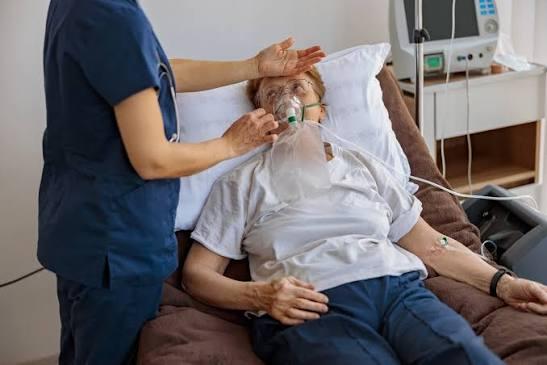
Caring for a loved one who depends on a ventilator for breathing can bring emotional challenges for both patients and their families. Although home respiratory support allows patients to remain in familiar surroundings, the responsibilities of long-term care may create stress, anxiety, uncertainty, and emotional exhaustion. Families choosing Ventilator Care At Home In Dubai often need more than medical assistance; they also need emotional guidance and practical support to manage everyday challenges. Professional nursing services and medical assistance, including Doctor at Home when appropriate, can help families feel more supported throughout the care journey. Understanding these emotional difficulties and learning healthy coping strategies can improve the wellbeing of patients and caregivers.
Understanding the Emotional Impact of Long-Term Ventilator Care:
Long-term ventilator dependence can change a patient's daily routine, independence, communication, and social interactions. Activities that were once simple may require assistance, while frequent medical monitoring and equipment management can create uncertainty about the future. Patients may experience frustration, sadness, fear, or feelings of isolation, particularly when they have difficulty speaking or participating in familiar activities. Family members may also struggle to adjust to their new caregiving responsibilities and the changes in household routines. Recognizing these emotional reactions is important because psychological wellbeing is an essential part of comprehensive healthcare. Open communication and compassionate support can help patients and relatives feel understood rather than overwhelmed.
Anxiety and Fear About Medical Complications:
One of the most common emotional challenges for families is worrying about unexpected medical emergencies. Caregivers may feel anxious about ventilator alarms, breathing difficulties, infections, power interruptions, or equipment failure. Even when the patient's condition is stable, the responsibility of remaining alert can create ongoing stress. Families can manage some of this anxiety by understanding the patient's care plan, receiving practical training, and keeping emergency instructions accessible. A clear plan helps caregivers distinguish between situations they can manage within their training and those requiring professional assistance. Helpful steps include:
-
Learn the meaning of common ventilator alarms.
-
Keep emergency contact numbers near the patient's care area.
-
Understand the backup power and equipment arrangements.
-
Attend training sessions offered by qualified healthcare professionals.
-
Discuss recurring concerns with the treating medical team.
Being prepared can improve confidence, although families should remember that they do not have to manage every clinical responsibility alone.
Emotional Isolation and Reduced Social Interaction:
Patients receiving long-term ventilation may spend much of their time at home because of mobility limitations, medical needs, or difficulties arranging transportation. Reduced social interaction can lead to loneliness and feelings of disconnection from friends, relatives, and community activities. Communication may also become challenging for patients who use a tracheostomy or have difficulty speaking. Families can help by encouraging suitable communication methods, arranging regular visits when medically appropriate, and maintaining contact through phone or video calls. Familiar activities such as listening to music, watching favourite programmes, reading, or participating in family conversations can provide meaningful engagement. Social interaction should be adapted to the patient's energy level and medical needs rather than avoided completely.
Caregiver Stress and Emotional Exhaustion:
Family caregivers often take responsibility for medication schedules, hygiene, feeding, equipment checks, appointments, and communication with healthcare providers. Managing these tasks over an extended period can lead to physical fatigue and emotional exhaustion. Some caregivers may feel guilty when they need rest or become frustrated by the demands of daily care. These feelings do not mean they lack love or commitment; they can be signs that the caregiving workload has become difficult to sustain. Families should recognize their own limits and arrange appropriate support. Helpful strategies include:
-
Share responsibilities among available family members.
-
Arrange professional nursing assistance when needed.
-
Schedule regular breaks and time for personal activities.
-
Maintain healthy sleep, nutrition, and physical activity.
-
Seek counselling or emotional support when stress becomes overwhelming.
Taking care of the caregiver is also an important part of maintaining safe and consistent patient care.
Supporting Patients Who Feel a Loss of Independence:
Depending on a ventilator can affect a patient's sense of control over everyday life. Needing assistance with personal hygiene, movement, communication, or other basic activities may create frustration or embarrassment. Families can support emotional wellbeing by involving patients in decisions whenever possible and respecting their preferences. Even small choices, such as selecting clothing, choosing meals within dietary recommendations, or deciding which activities to enjoy, can help maintain a sense of independence. Caregivers should avoid speaking about the patient as though they are not present and should provide enough time for communication. Encouraging safe participation in daily routines can help preserve dignity and confidence.
Maintaining Positive Communication Within the Family:
Long-term medical care can affect family relationships because responsibilities, expectations, and emotional reactions may differ between relatives. Some family members may feel overwhelmed, while others may struggle to understand the patient's needs. Miscommunication can increase tension and make caregiving more difficult. Regular family discussions can help everyone understand the care routine, share responsibilities, and express concerns without blame. It is useful to maintain a written schedule for appointments, nursing visits, and daily tasks so that expectations remain clear. Families should also make time for conversations unrelated to medical care, allowing relationships to remain centred on shared interests and emotional connection rather than only caregiving duties.
The Importance of Professional Nursing and Emotional Support:
Professional nursing assistance can reduce some of the pressure experienced by family caregivers. Trained nurses can provide clinical support according to the patient's care plan, monitor health changes, assist with respiratory care, and educate relatives about appropriate daily procedures. This support may give family members more time to rest, communicate with their loved one, and focus on emotional wellbeing. Healthcare professionals can also identify signs of anxiety, depression, or emotional distress that may require additional support. Depending on the patient's needs, a psychologist, counsellor, or other mental health professional may help patients and relatives develop coping strategies. Professional support should complement, not replace, the emotional connection provided by family members.
Creating a Comfortable and Emotionally Supportive Home Environment:
The home environment can influence how patients and caregivers experience long-term ventilator care. A clean, organized, and comfortable space can make daily routines easier and reduce unnecessary stress. Families should arrange medical equipment safely while also preserving areas for relaxation and social interaction. Personal belongings, photographs, familiar decorations, and favourite activities can help the patient feel connected to their identity and everyday life. Caregivers should encourage a predictable routine that includes appropriate rest, personal care, communication, and enjoyable activities. The patient's preferences should guide these arrangements whenever possible. A supportive environment helps make the home feel like a place to live, not simply a space for medical treatment.
Recognizing When Emotional Support Is Needed:
Occasional sadness, worry, and frustration can occur during long-term illness, but persistent emotional distress should not be ignored. Patients may show signs such as withdrawal, frequent crying, irritability, loss of interest, sleep changes, or ongoing fear. Caregivers may experience constant exhaustion, hopelessness, difficulty concentrating, or feelings of being unable to continue. These symptoms deserve attention, particularly when they interfere with daily life or caregiving responsibilities. Families should discuss concerns with the treating physician and consider professional mental health support. If someone expresses thoughts of self-harm or immediate danger, urgent professional assistance is necessary.
Final Thoughts
Long-term ventilator care can affect the emotional wellbeing of patients and families in many ways, from anxiety about medical complications to caregiver exhaustion and social isolation. Coping requires open communication, realistic expectations, shared responsibilities, professional guidance, and opportunities for meaningful social interaction. Families should remember that emotional support is just as important as respiratory care and that seeking help is a positive step. With coordinated healthcare assistance and compassionate family involvement, Ventilator Care At Home In Dubai can support not only the patient's physical needs but also their comfort, dignity, and emotional wellbeing.

 English
 Arabic
 French
 Spanish
 Portuguese
 Deutsch
 Turkish
 Dutch
 Italiano
 Romaian
 Portuguese (Brazil)
 Greek
